Health & Fitness
Trump Supporters Steadfast In Anti-Vaccination Sentiments: Study
Research indicates residents of counties that former President Donald Trump won in 2020 remain unlikely to get a COVID-19 vaccine.


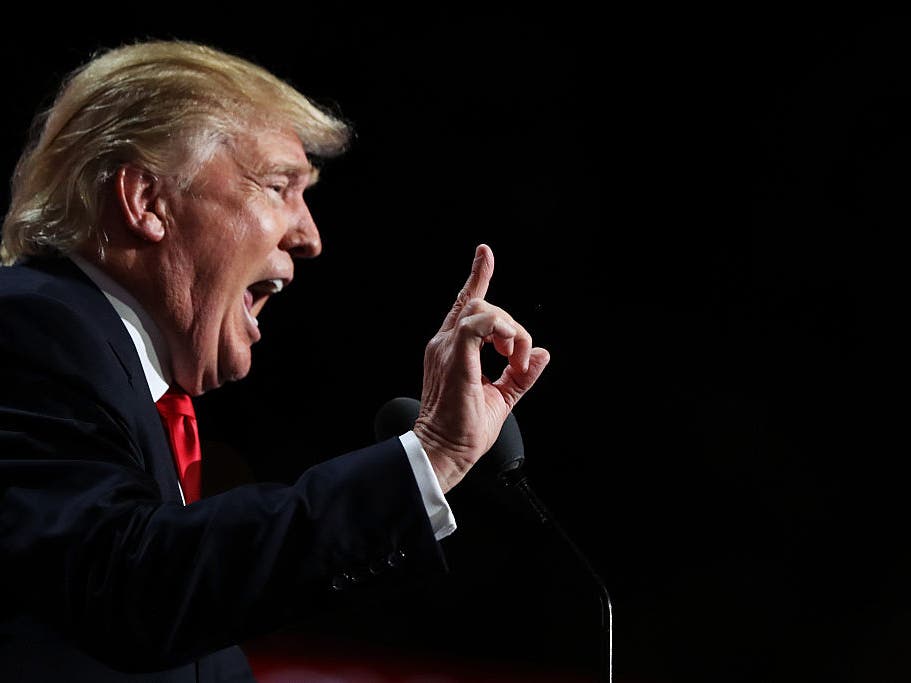
PITTSBURGH, PA — An academic study confirms overwhelming anecdotal evidence that the majority of those opposed to getting a coronavirus vaccine are supporters of former President Donald Trump. What's more, they show little indication of changing their minds on getting the life-preserving inoculation.
The results of the study, conducted by researchers from Carnegie Mellon University and the University of Pittsburgh, were released Monday and published on the medRxiv website.
Robin Mejia of CMU's Dietrich College of Humanities and Social Sciences, and Wendy King, a Pitt Graduate School of Public Health associate epidemiology professor, reviewed vaccine acceptance trends of approximately a million Americans per month between January and May. The pair partnered with the Delphi Group at CMU, which runs an ongoing national COVID-19 survey in collaboration with the Facebook Data for Good group.
Find out what's happening in Pittsburghfor free with the latest updates from Patch.
The survey asked people whether they would take a vaccine were it offered to them today. People who said “probably not” or “definitely not” were designated vaccine hesitant.
What the researchers found is that is that overall vaccine hesitancy decreased among adults by one-third during the study period.
Find out what's happening in Pittsburghfor free with the latest updates from Patch.
However, respondents from counties with higher Trump support in the 2020 presidential
election showed higher hesitancy, and the difference in hesitancy between areas with high and low Trump support grew over the period studied.
“This finding really highlights the politicization of public health recommendations,” King said.
Commonly cited reasons among those most reluctant to be inoculated included not trusting the
vaccine and not trusting the government, while less hesitant respondents were more inclined to explain they were waiting to see if the vaccine is safe.
levels of hesitancy, as in refusal to take the vaccine, not potential concern about it, and the size of that group isn’t changing."
King said the lack of change in prevalence of "definitely not" getting the vaccine respondents to the survey implies that those with strong anti-vaccine feelings will not easily change their minds.
“Thinking about how to reach that group and having messaging and incentives that that group will respond to is important," she said.
Mejia said she remains concerned about reaching the most hesitant subgroup of Americans.
“The only way to end this pandemic for real is to get enough people vaccinated that we can reduce the speed of new variants spreading," she said.
Be the first to know what's happening in your community and region. With a free Patch subscription, you'll always be up to date on local and state news: https://patch.com/subscribe.
Get more local news delivered straight to your inbox. Sign up for free Patch newsletters and alerts.