Community Corner
First Aid Tips to Help Heal the Wound of Perfectionism
Dr. Paula prescribes five remedies that parents can apply when perfectionism becomes an obstacle to satisfaction and success in a child's life.

Perfectionism has lots of facets to it. Some people think it’s a virtue, others think it’s a vice. Some view it as a moral, religious or ethical characteristic.
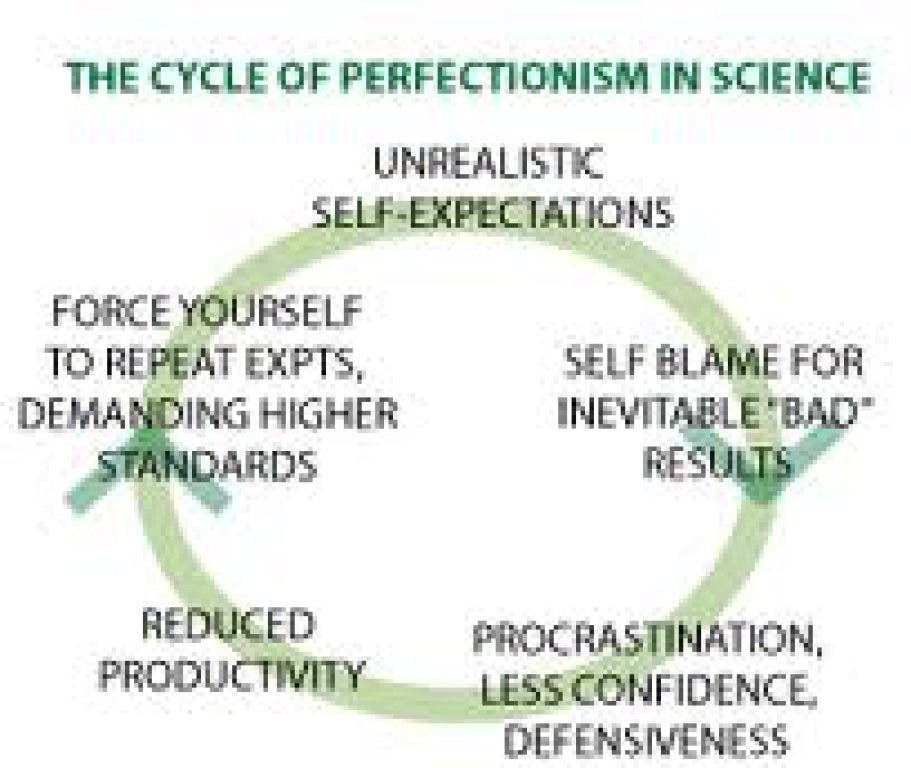
Others believe it to be a dangerous trap. It’s a trap because perfectionists find themselves constantly striving toward the highest achievement, the best score, and the winning record, and yet, in their own minds, they never hit the target they envisioned even if they achieve outstanding results. They’re trapped in an unending cycle of trying to attain a goal that they themselves continue to push away from themselves. Thus, the ever moving target constantly eludes them. Consequently, they prove to themselves that they’re not good enough, they’re failures, they can’t do anything right. And so begins feelings of frustration, dissatisfaction and anxiety.
Simply stated, perfectionism is the need to do everything perfectly. Those of us who have been around for a while recognize the impossibility of adequately satisfying this need. Despite our best efforts, we often miss the mark. We fall short of the goal. We achieve less than we aimed for. However, we learn to find satisfaction in knowing that we’ve given our all, we’ve done the best we could and that we’ve improved with every attempt.
Find out what's happening in Plum-Oakmontfor free with the latest updates from Patch.
Naturally, setting goals and striving for excellence are commendable behaviors that should be reinforced in children, but there’s a big difference between that and being a harsh, relentless self-critic who compulsively seek to attain perfection and experiences no personal satisfaction in the striving or achievement.
According to research listed on one website, “Perfectionism is not an illness that needs to be cured, rather it is a set of beliefs, about yourself and about your relationships with others that needs to be transformed and healed.”
Find out what's happening in Plum-Oakmontfor free with the latest updates from Patch.
Perfectionism is a means of protecting oneself from the criticism of others, from the experience of failure, from fear and from the disapproval of others. Perfectionism is a wound that needs to be healed.
So how can you as parents help your children heal the wound that is perfectionism?
Uncover Fears
Perfectionists benefit from identifying and confronting their fears. Talk with your son about his fears. Discuss the various situations in his life that might cause fears. Try to determine which aspects of his life are most fearful. Consider whether his fears are most threatening at school, at home, in the neighborhood, with specific people or circumstances. Knowing this will help you to provide him with some strategies for coping with the fears that arise at these times.
Share Experiences
Talk with your son about your own experiences with fear and failure. Describe some specific times in your life when you were overcome by fear, but managed to get through it. Tell a story about a failure that taught you a lesson and helped you become more successful the next time. Children often see their parents as perfect or at least rarely demonstrating fear or making mistakes. Explain that fears and failures are a part of life. Without them courage and success would not be possible.
Note Changes
Assess the changes in your son’s life. Did he transition from elementary to middle school? Did the family move to a new location? Did you have another child? Was there a sudden loss that occurred? These changes can affect a child with perfectionist tendencies. He may be trying to assess what is expected of him in a new situation or how to behave in these different circumstances. Discuss the positive and negative results of change and help him see that many positive can come from it.
Self-Assess Behaviors
Review your own behaviors. Children learn from their parents and the examples that they provide. So do a little self-assessment and determine if you or your husband have similar perfectionistic traits. Are you rigid in your expectations? Do you burden yourself with unrealistic goals? Do you over-schedule the family and show frustration and anxiety when there are too many demands on your time? Your behaviors will far outweigh anything you say to your son or any advice that you offer him to address his own perfectionistic tendencies.
Spin It
Finally, when mistakes are made or failures occur, verbalize them in a positive way. Proverbs and clichés may be helpful in putting a positive spin on these situations: “Third time’s a charm.” “The only failure is not trying.” “A mistake is a chance to try again.” “We all learn from experience whether it’s good or bad.”
Use these first aid tips to help your child heal the wound that is perfectionism and seal it with a kiss.
“The thing that is really hard, and really amazing, is giving up on being perfect and beginning the work of becoming yourself.” ~Anna Quindlen (1953-)
Find some ways to battle perfectionism at: http://leladavidson.hubpages.com/hub/Battling_Perfectionism_in_Children
Take a reality check on perfectionism at: http://www.micheleborba.com/blog/2010/07/17/parenting-advice-for-perfectionist-kids/
Make some sense of your child’s behavior at: http://www.drkutner.com/parenting/articles/perfectionist.html
Here’s a link to children’s books about perfectionism on Amazon. Finds some titles then check out the books at the Oakmont Carnegie Library or the Plum Borough Community Library: http://www.amazon.com/Nobodys-Perfect-Story-Children- Perfectionism/dp/1433803801%3FSubscriptionId%3D14H876SFAKFS0EHBYQ02%26tag%3Dhubpages-20%26linkCode%3Dxm2%26camp%3D2025%26creative%3D165953%26creativeASIN%3D1433803801