Schools
Does Your Child Need Her Eyes Checked?
Children may not be aware of their own vision problems.
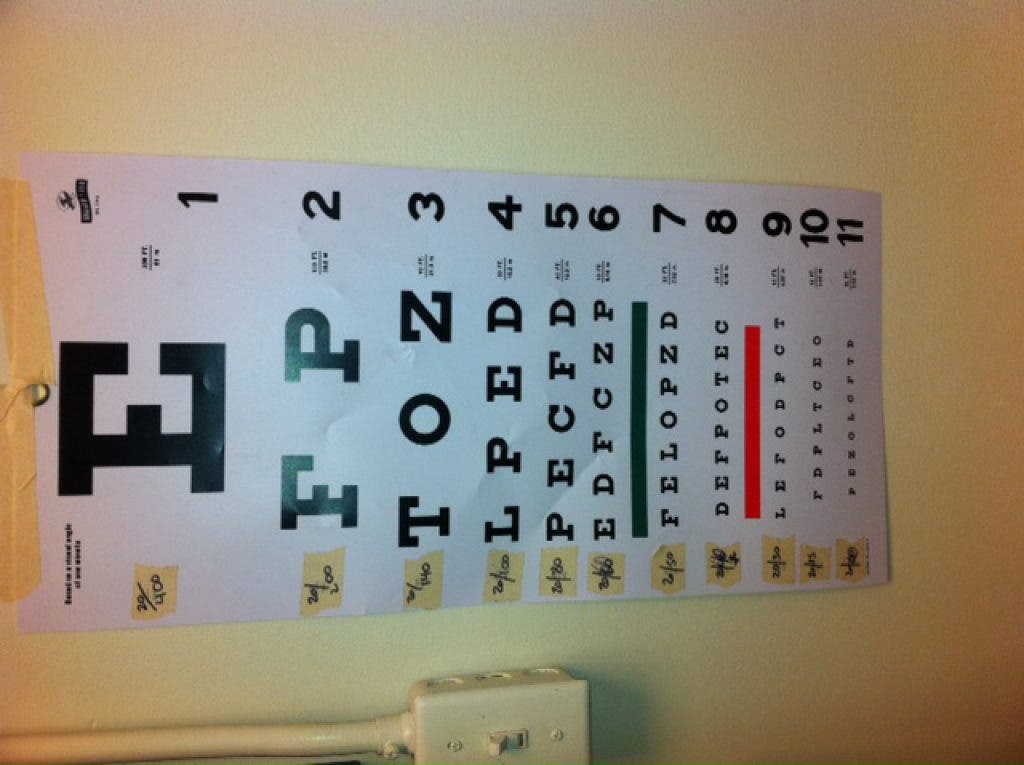
Is a visit to your child’s eye doctor on your back-to-school to-do list this year?
If not, it should be, according to , because as many as 1 in 4 school-aged children has a vision problem, and children themselves may have a difficult time identifying that there is a problem.
According to , children ages 5 and up should have their eyes checked by an optometrist every year.
Find out what's happening in Pottstownfor free with the latest updates from Patch.
Although many schools conduct vision screening of students, many of those who are referred for follow-up care – children whose initial screenings indicated an issue could be present – never actually receive follow-up care. If your child’s school recommends he or she sees an eye doctor, make an appointment. In addition, parents and teachers should be on the lookout for potential signs of vision problems.
If your child has two or more of the following symptoms, contact his or her eye doctor to schedule an exam. These signs could indicate a visually-related learning problem.
Find out what's happening in Pottstownfor free with the latest updates from Patch.
-
Avoids near visual work entirely, or as much as possible
-
Often experiences discomfort, fatigue and short attention span
Learns better verbally than visually
Understands the material, but tests poorly
Holds books very close to face (only 7 or 8 inches away)
Tilts or turns head while reading
Squints when doing near vision work
Poor posture when reading or writing
Moves head back and forth while reading instead of moving only eyes
Poor attention span
Covers one eye when reading
Eyestrain or fatigue after prolonged reading or computer work
Homework takes longer than it should
Sees blurry or double images while reading or writing
Loses place when moves gaze from desk work to chalkboard, copying text, or using scantrons for tests
Must use a marker to keep place when reading
Writes up or down hill, or irregularly spaces letters or words
Reverses letters (b for d) or letters within words (saw for was)
Repeatedly omits "small" words
Rereads or skips words or lines unknowingly
Fails to recognize the same word in the next sentence
Misaligns digits in columns of numbers
Headaches after reading or near work
Burning or itching eyes after prolonged visual tasks
Blinks excessively when doing near work
Rubs eyes during or after short periods of reading
Comprehension declines as reading continues
Fails to visualize (can't describe what they have been reading about)
Poor eye hand coordination when catching a ball
(From Hollywood Vision Center Child Vision Problems Self-Test)
If a problem is identified, your child’s doctor will help to remedy it, whether it is with glasses, contact lenses or another solution.
Give your child a head start on academic excellence this school year, by having his or her vision checked. Don’t let an undiagnosed vision problem hinder your student’s success.
If your child doesn’t already have an eye doctor, click here to locate an American Optometric Association-participating optometrist in your area.