Health & Fitness
Most Opioid Users In Philadelphia Get Drugs From Doctors: Study
A third of Philadelphians used prescription opioids in the last year. Most of those people got them from doctors, not dealers.


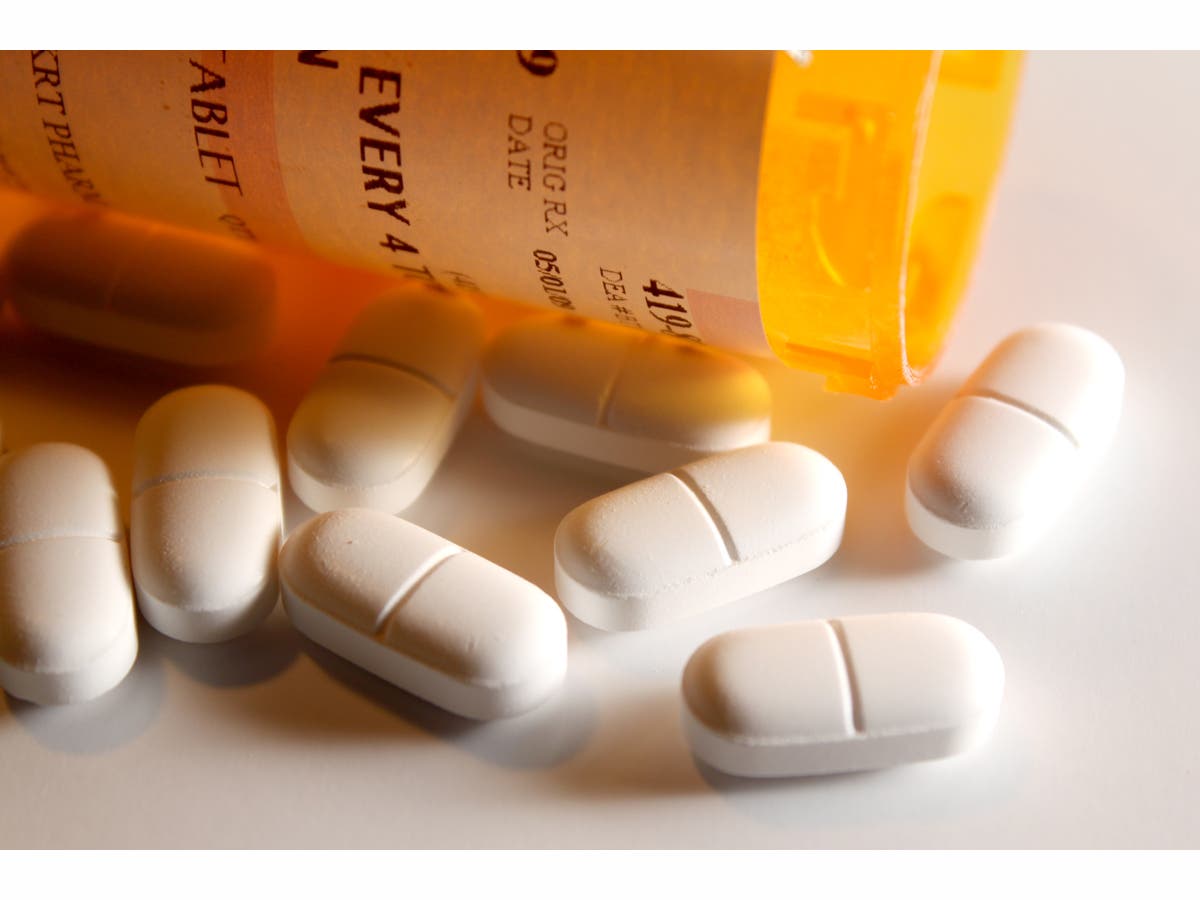
PHILADELPHIA – A new study illuminates how Philadelphians use prescription opioids, saying a the majority of users are given the drugs by doctors, not drug dealers.
The Philadelphia Department of Public Health released the results of a survey of the Philadelphia general population that shows the scope of the opioid crisis.
The survey revealed that nearly one in three adults in Philadelphia have used a prescription opioid – such as Oxycontin, Percocet, or Vicodin – in the past year.
Find out what's happening in Roxborough-Manayunkfor free with the latest updates from Patch.
About 168,000 of Philadelphians reported on the survey having used prescription opioids in the previous seven days.
The study shows 76 percent of those users were getting the drugs from healthcare providers, while just 19 percent got them from drug dealers.
Find out what's happening in Roxborough-Manayunkfor free with the latest updates from Patch.
“While in the past we’ve primarily reported data on drug overdoses, this survey shows what is truly fueling this epidemic," Health Commissioner Dr. Thomas Farley said in a statement. "It’s shocking how many people are using these dangerous, highly addictive drugs, and disturbing that physicians continue to prescribe them so carelessly. Doctors need to prescribe these drugs less often, in lower doses and for shorter durations.”
The survey also found that 62,000 Philadelphians are taking both opioids and benzodiazepines – such as Xanax and Klonopin – at the same time, which officials says is a dangerous combination that significantly increases the risk of overdose.
The survey, conducted between May 9 and June 26, asked 466 Philadelphians about their opioid use.
Officials said these estimates of drug use may be conservative as a result of underreporting of illegal prescription drug acquisition and undersampling of individuals likely to acquire drugs from nonmedical sources.
The full report form the survey's findings is available online here and includes more information on topics such as demographics, risk perception, and drug abuse resources.
Image via Shutterstock
Get more local news delivered straight to your inbox. Sign up for free Patch newsletters and alerts.