Business & Tech
Japan Disasters Causing Car Parts Shortages For Some Local Dealers
Scott Mazda in Salisbury seeing parts and black paint shortages, new orders halted.
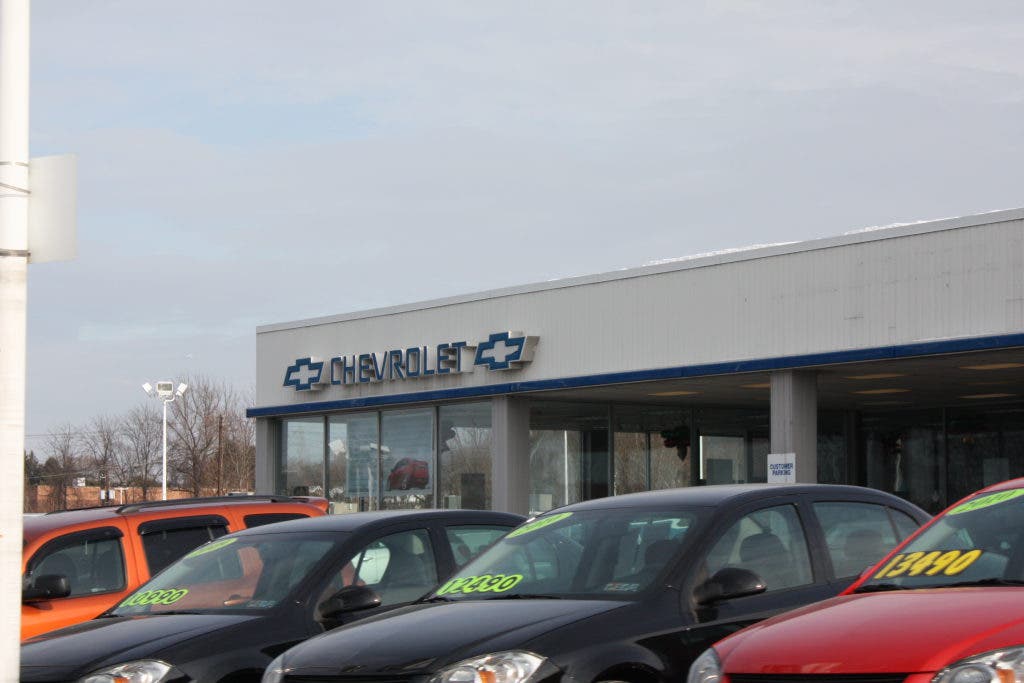


With Japanese automakers hamstrung by the interruption of auto parts production caused by last month’s earthquake and tsunami, the inventory of new cars is expected to drop and prices are expected to rise.
Local dealers say they have yet to experience a shortage of cars, but that parts are already becoming scarce.
“It’s starting to trickle down in terms of parts and supplies,” said Kevin McDevitt, sales manager at on Lehigh Street in Salisbury Township. “People having their cars serviced are having trouble getting the proper parts.”
Find out what's happening in Salisburyfor free with the latest updates from Patch.
McDevitt said he didn’t know how extensive the shortage of cars would be, but that new car orders are on hold.
“We can’t order new cars right now and they are not telling us when we can.”
Find out what's happening in Salisburyfor free with the latest updates from Patch.
Tom Carey, general manager and partner of Kelly Mitsubishi on Lehigh Street in Emmaus, said Mitsubishi has canceled orders of new cars for May, including the popular Outlander models.
Carey said there may be immediate shortages, but his dealership did not expect to be hurt over the long term. “Mitsubishi was fortunate,” he said. He said there was no damage to any Mitsubishi plants in Japan. He said he has a large inventory and most of the cars he sells are made in this country.
McDevitt said the parts shortage is affecting orders of American cars as well. Some parts used in American cars are made in Japan, including some paint pigments. He said that Scott, which also sells Chevrolets and Cadillacs, cannot order certain models using black paint.
Jim Barndt, general sales manager for Kelly Buick-GMC said the shortage of pigments is affecting the availability for several models of American cars.
The decrease in production of new cars in Japan is also affecting the sale of used cars here, McDevitt said. “People are buying [used cars] out of fear that a new car won’t be available,” causing prices to spike at used car auctions.
So far, the predicted shortage hasn’t affected new car sales or led to any price increases or cuts in incentives at their dealerships, Carey and McDevitt said.
“Mazda is still offering the same incentives as before [the earthquake],” McDevitt said, but it is uncertain how long that may continue.
While shortages will affect some dealers more than others, Carey said, “Anyone who wants to buy [any type of car] in the next six months should come now. It can’t get better.”
Barndt agreed. “The best price and selection is now.” He said if Japanese cars are in short supply in the coming months, buyer incentives will be cut. If that happens, he predicted, the incentives on all cars could disappear.
Mike Jackson, CEO of AutoNation Inc., told the Associated Press this week that his dealership chain will see a 30 to 50 percent reduction in shipments over the next two to four months. The head of the nation’s largest car dealer said shortages of vehicles built in Japan will come first, followed by shortages of Japanese cars assembled in North America.