Health & Fitness
Anti-Mosquito Spraying In Tredyffrin, Easttown Monday
Chester County has had more than 60 mosquito samples with West Nile virus collected so far this summer, Easttown and Tredyffrin included.


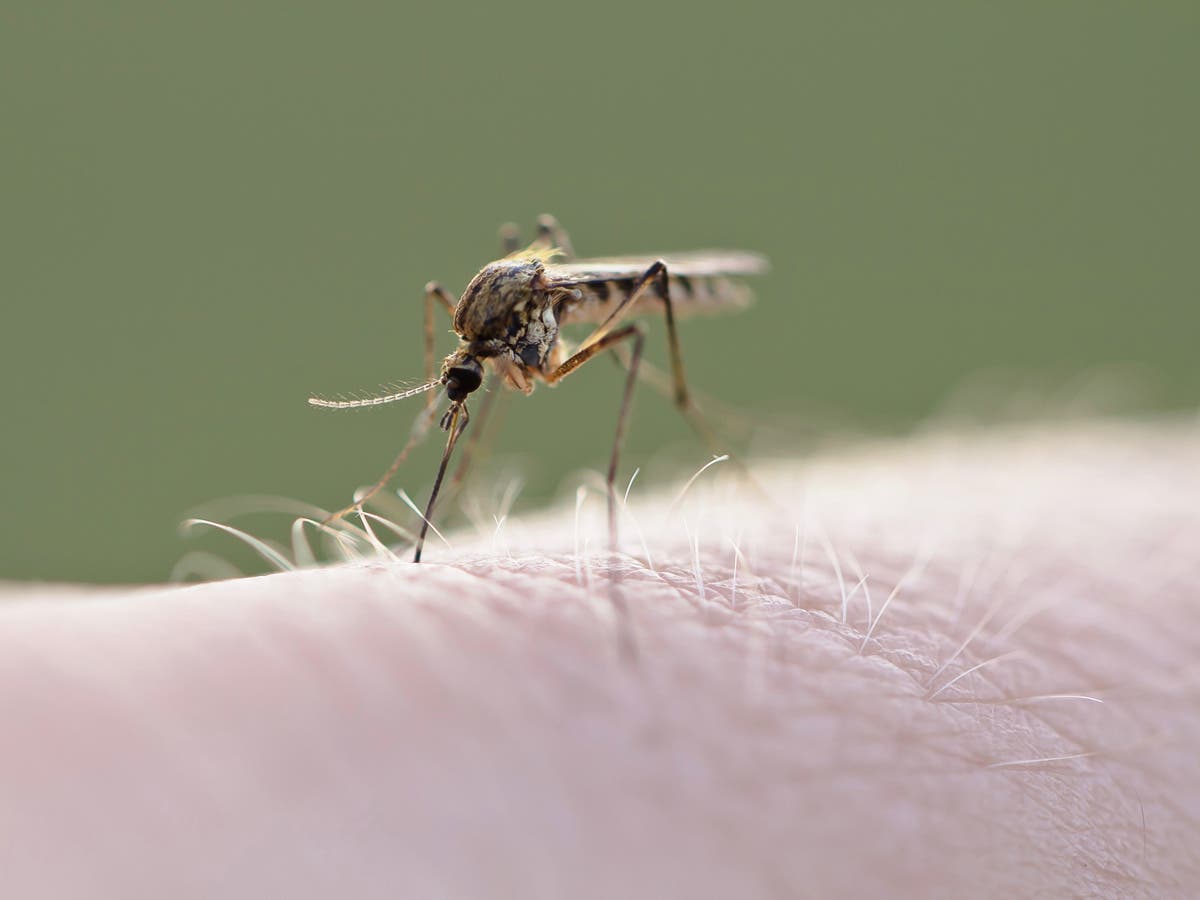
State data has shown eight mosquitos found in Tredyffrin and Easttown townships had West Nile Virus so far this summer. And the Chester County Health Department will conduct a mosquito control treatment spray in portions of both townships soon.
Crews will be applying the treatment between 8 p.m. and 11:30 p.m. on Monday, July 30.
The rain date for this event is Tuesday, July 31 from 8 p.m. to 11:30 p.m.
Find out what's happening in Tredyffrin-Easttownfor free with the latest updates from Patch.
Maps of the areas that will be treated are below:
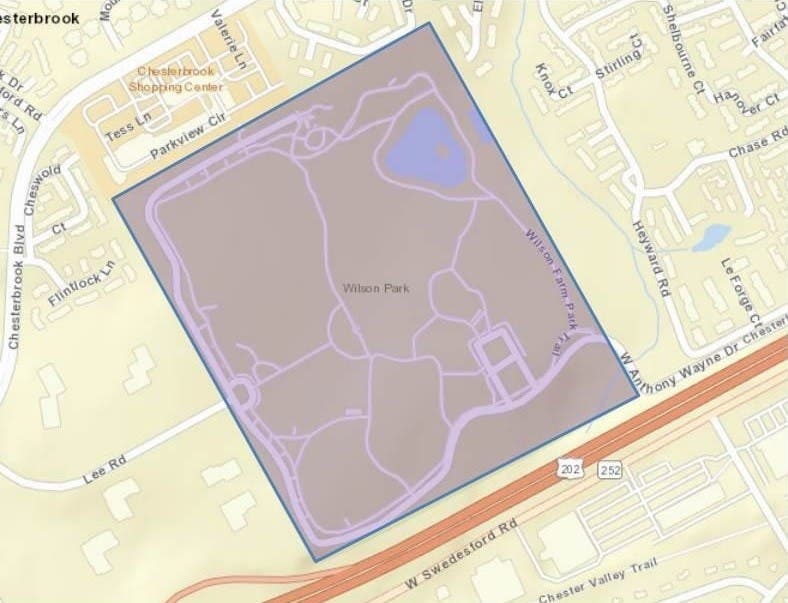
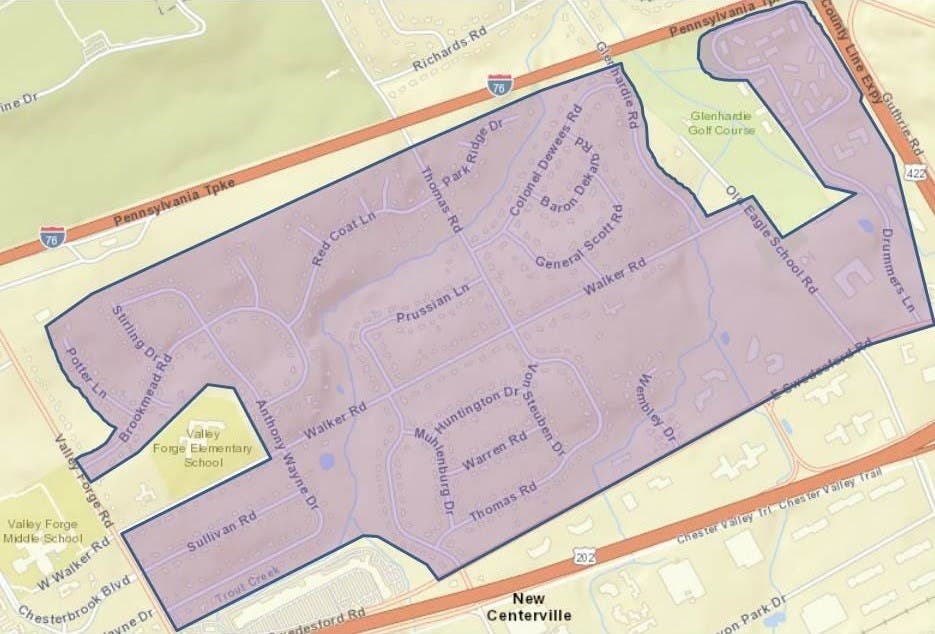
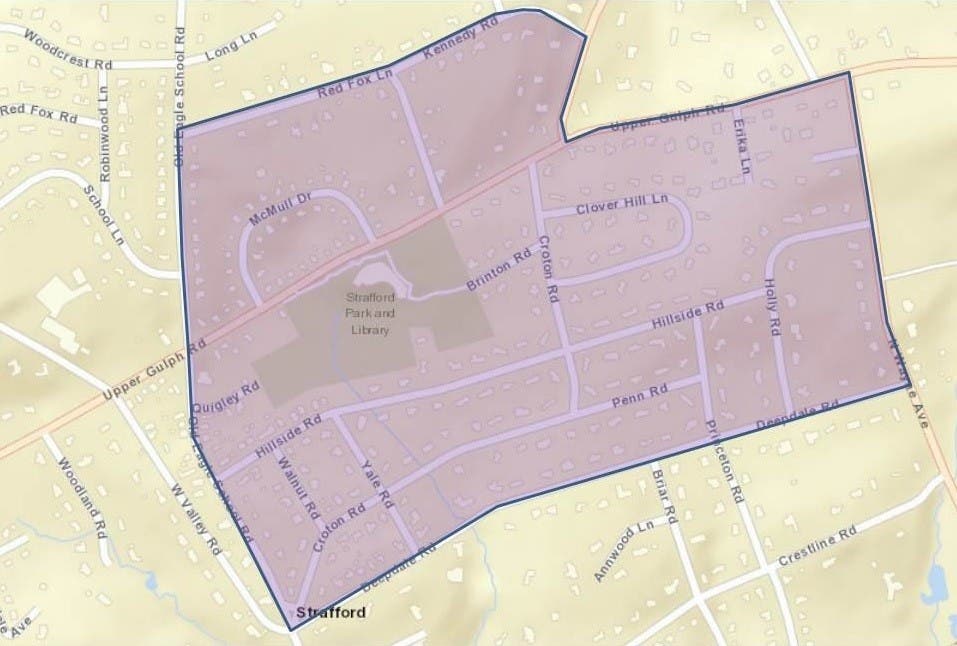
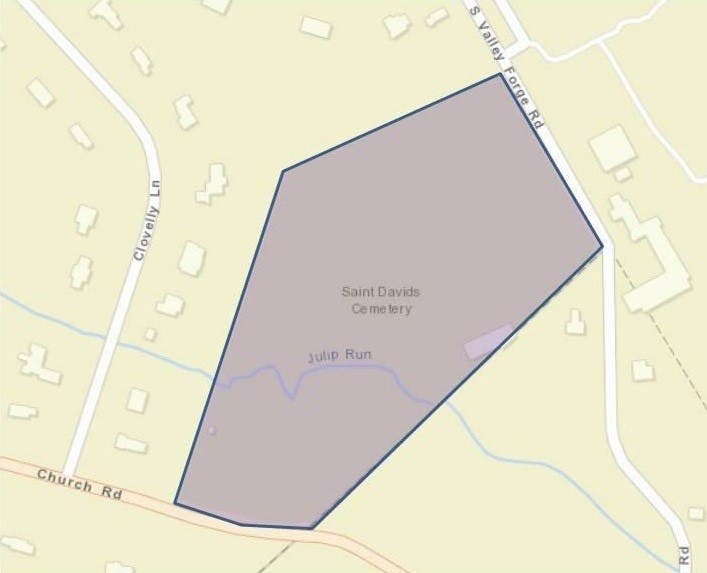
The Health Department conducts mosquito control treatment in areas with high levels of mosquito activity and where multiple mosquito samples have tested positive for West Nile Virus (WNV).
Find out what's happening in Tredyffrin-Easttownfor free with the latest updates from Patch.
After exhausting all other available mosquito control strategies, spraying is conducted to reduce residents’ risk of WNV infection.
Anyone living in an area where mosquitoes are infected with WNV is at risk, but the risk of infection is highest for people who work outside or participate in outdoor activities.
Less than 1 percent of people infected will develop serious illness.
While serious illness can occur in people of any age, people over 60 years of age, people who have received organ transplants, and people with certain medical conditions such as cancer, diabetes, hypertension, and kidney disease are at the greatest risk for serious illness.
The Chester County Health Department uses a truck-mounted sprayer to apply .66 ounces of U.S. Environmental Protection Agency-approved product (DeltaGard) per acre of land.
The mosquito control spray becomes inactive in just a few hours or with sunshine.
Sprays are conducted after sunset, when mosquitoes are most active and bees have returned to their hives. Sprayers are turned off near bodies of water and apiaries to protect aquatic life and bees.
The Chester County Health Department also notifies registered beekeepers and residents who are listed as hypersensitive in a designated spray area prior to conducting a spray.
Those concerned about exposure to mosquito control products can reduce their potential for exposure by staying indoors with children and pets when their neighborhood is being sprayed.
If you would like to take extra precautions after the spray is completed, you can rinse off outdoor furniture or playground equipment before use.
Although spraying helps to reduce mosquito populations, the Chester County Health Department encourages residents to “Make You and Your Home a Bite-Free Zone” to prevent WNV and other mosquito-borne diseases.
Because mosquito-borne diseases are spread through the bite of an infected mosquito, residents can reduce their risk by using insect repellent and other personal protection and getting rid of standing water on their property.
You can see a full list of impacted counties and the number of positive samples by clicking here.
West Nile virus appeared for the first time in Pennsylvania in birds, mosquitoes and a horse in 2000.
It is most commonly spread to humans by infected mosquitoes. It can cause febrile illness, encephalitis, or meningitis, according to the CDC.
According to the CDC, about one in five people who are infected develop a fever and other symptoms. About one out of 150 infected people develop a serious, sometimes fatal, illness. You can reduce your risk of West Nile Virus by using insect repellent and wearing long-sleeved shirts and long pants to prevent mosquito bites, the CDC said.
The best way to control mosquitoes is still to get rid of standing water on your property, according to information provided by the state's West Nile Virus Control Program.
The following guidelines have been offered to help residents minimize their risk:
- Limit outdoor activities at dawn and dusk during warmer months since most types of mosquitoes bite most frequently during these times. Be aware though that some types of mosquitoes bite most frequently during the daytime.
- Wear long-sleeved shirts and long pants, and socks. Choose clothing that is light colored and made of tightly woven material.
- Stay in places with air conditioning and window and door screens to keep mosquitoes outside.
- Sleep under a mosquito bed net if you are outside.
- Cover or empty containers such as trash cans, wading pools, wheelbarrows, and pots.
- Turn containers upside down when not in use so they don't collect water.
- Drill holes in the bottom of recycling containers.
- Get rid of old tires.
- Change the water in bird baths every three to five days.
- Check storm drains, window wells, and underneath leaky faucets for standing water.
Image via Shutterstock
Get more local news delivered straight to your inbox. Sign up for free Patch newsletters and alerts.