Community Corner
School Reformers Need Skin In The Game
High-stakes testing craze wouldn't have lasted so long if more policymakers' kids were subjected to it.
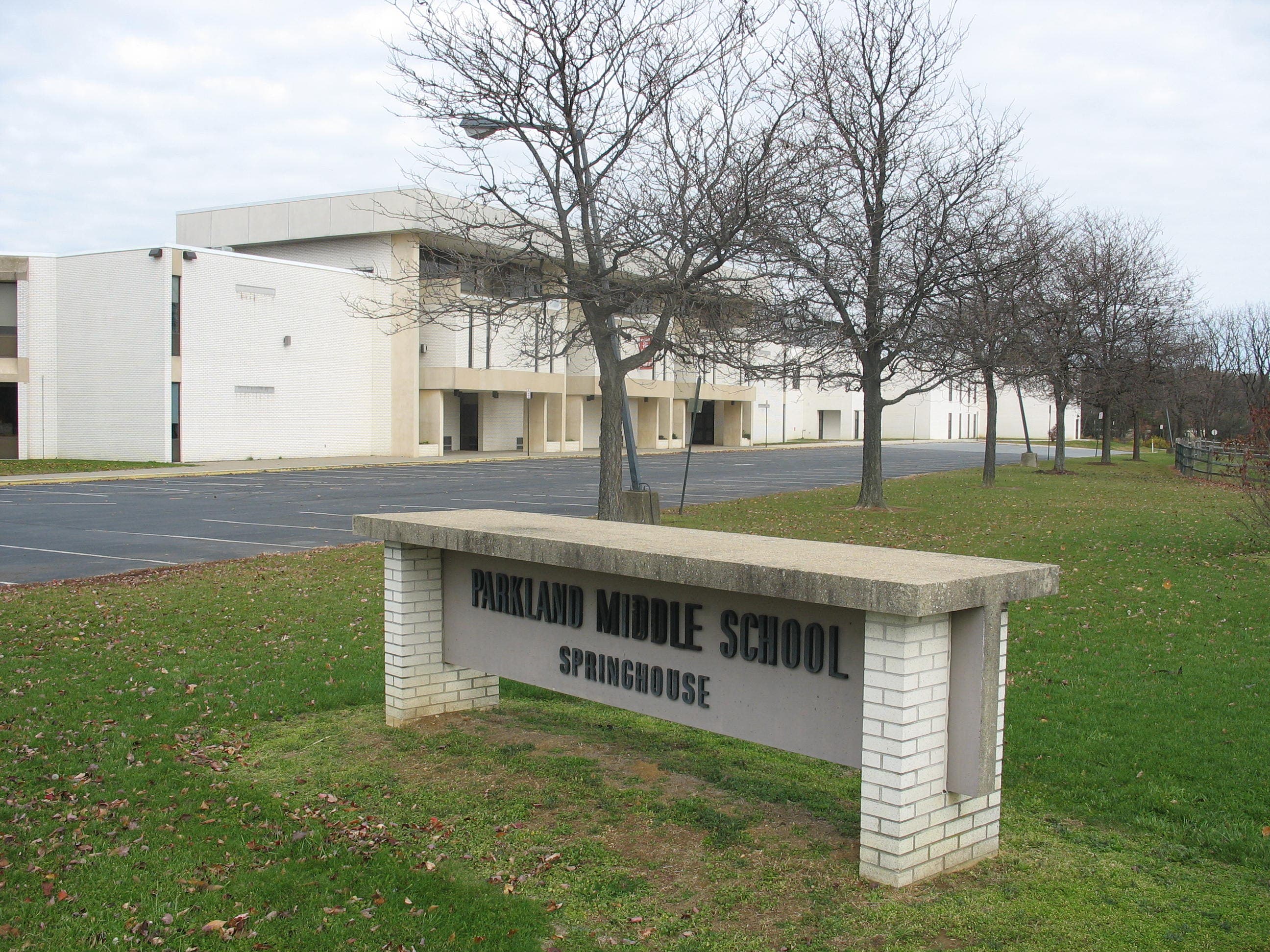
As a month of standardized testing came to a close for Lehigh Valley public schools last week, I wished the same thing I wish every year: If only more policymakers had skin in the game.
Those of us with children in public schools live with the effects of well-meaning but misguided policies like the No Child Left Behind law which elevated standardized tests until they dwarfed all other tools in education.
The law was championed by Democratic Sen. Ted Kennedy, who sent his kids to private schools, and President George W. Bush and House Speaker John Boehner, Republicans whose children had graduated from high school by the time it was enacted in 2002. Surely they didn’t anticipate that so many schools would become focused on test prep while giving short shrift to subjects like social studies, music, art, and languages -- and talents, such as creativity, which the tests don’t measure.
Find out what's happening in Upper Macungiefor free with the latest updates from Patch.
The problem isn’t just with lawmakers. Influential documentary filmmaker Davis Guggenheim admitted feeling guilty as he passed by his neighborhood public schools to drive his own kids to private schools. But his ignorance of what a good public school can be didn’t stop him from trashing them in the documentary “Waiting for Superman.”
Now, nine years after No Child Left Behind went into effect, President Obama, whose kids go to private school, and Education Secretary Arne Duncan, whose children are in Arlington, Va. public schools, are advocating its overhaul. The Obama Administration favors using the growth or “value added” model – which gauges how much students have improved on standardized tests over the previous year. That’s certainly better than the current law’s use of a single bar that all schools must reach or be labeled failing.
Find out what's happening in Upper Macungiefor free with the latest updates from Patch.
But real reform would be to stop focusing on standardized test scores as the be-all and end-all of whether a school is successful. Such tests were designed to show students’ strengths and weaknesses so educators could adjust lessons accordingly and help individual students. Instead they’ve been turned into a tool for beating up on teachers. Yes, there are bad teachers, but you’re not going to find them simply by looking at standardized test scores.
Predictably, high stakes testing has led to cheating allegations in which educators at schools in Texas and elsewhere have been accused of changing students’ answers to get better scores. Most recently, some of the Blue Ribbon schools under former Washington, D.C. Chancellor Michelle Rhee have had their dramatically-improved results questioned in an investigation by USA Today.
Policymakers could learn from what Americans say about their own kids’ schools. In surveys over the years, parents have consistently given their children’s public schools high marks while believing public schools nationally are weak—a predictable result after decades of public school bashing. In 2010, a Gallup poll found that 77 percent of parents with kids in public school would give their school an A or B. But only 18 percent would give the same grades for public schools nationally.
Longtime education writer and critic Jonathan Kozol doesn’t have any children of his own but he’s spent many years in public schools, including some of the poorest in the nation. Author of the 1967 landmark “Death at an Early Age” and other writings about bleak conditions in inner city schools, he argues that the emphasis on high stakes testing has disproportionately harmed poor children like those in the South Bronx, whose lives he has chronicled. Such reforms have reduced education for poor children to training them for the work force, he says.
“We would never speak about our own children this way,” he said in an interview in 2000. “We educate them to go on to universities and acquire the broad, sophisticated base of knowledge from which they can make real choices, and change their choices many times. But for the children of the poorest people, we’re stripping the curriculum, removing the arts and music, and drilling the children into useful labor.”
You don’t have to be a parent with kids in public school to know something about them or to care what happens to them – Kozol proves that. But surely the high-stakes testing craze would not have lasted this long if more people in power had children who were subjected to it.
So this is all I ask of reformers: Before you bring on another accountability tool that narrows the curriculum, try it at your kids’ school first.