Health & Fitness
Trees and People – Both deserve some TLC!
TLC - Tender Loving Care; Your plants need some too!
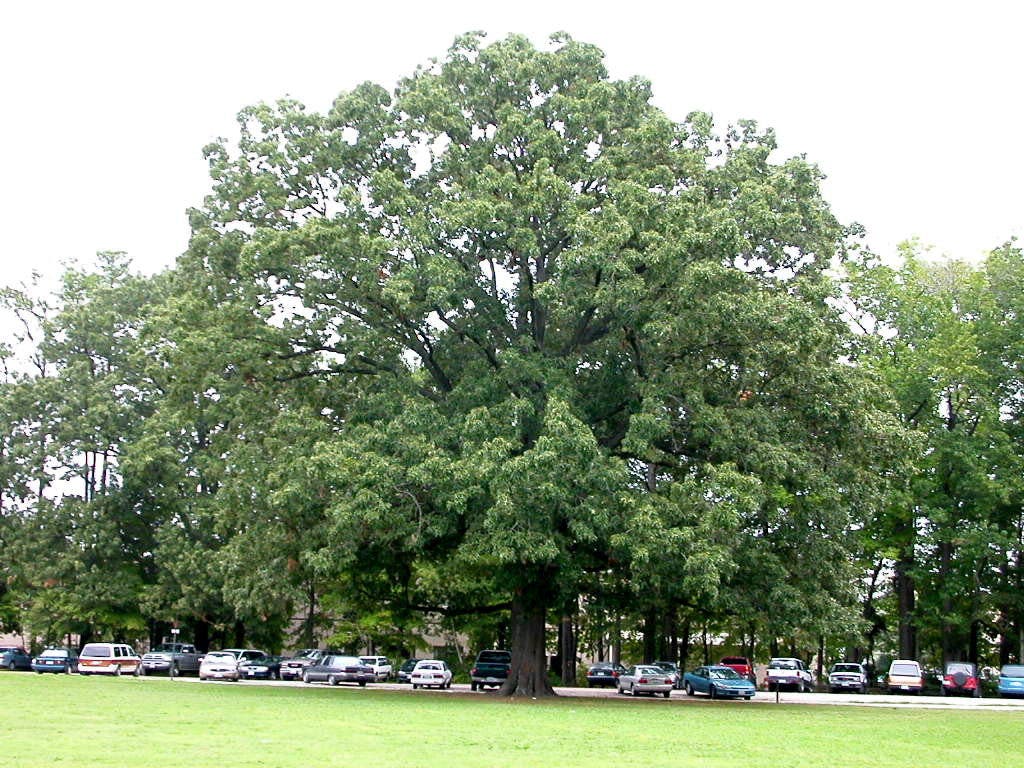
As with our children and our families, trees could benefit from some Tender Loving Care – TLC. Trees are just like all other living organisms – they need water, nutrition, air and space to live healthy and vigorous lives. People need to exercise and eat right and take time out for themselves each day. Trees don’t eat, they can’t move and certainly can’t think, but there are some specific things you can do to help your trees live a long and healthy life.
For starters, early preventive treatment will help to assure a long and healthy life. Beginning a program of care at first planting reduces lifetime costs and the necessity for many corrective procedures later in the tree’s life. Here are some specific actions to address with your landscape professional.
-
Root Collar Excavation: It is very important to remove excess soil near the buttress roots and the root collar of the tree to prevent disease and provide adequate oxygen to the roots.
Find out what's happening in Upper Sauconfor free with the latest updates from Patch.
-
Hydration: It’s critical for all trees, especially new transplants, to have adequate water. But, over-watering can be just as damaging. A soil moisture monitoring device or a tensiometer indicates when watering should occur.
-
Fertilization/Soil Analysis: An application of fertilizer promotes the goal of growth. Nutrients are added to the soil that may be lacking. Mycorrhizal fungi can also be applied for the root system. Always do a soil analysis – like a blood test for humans – to determine specific nutrient needs.
Find out what's happening in Upper Sauconfor free with the latest updates from Patch.
-
Selective Pruning: Pruning should be done with great care and always with a specific goal in mind. When pruning, no more than 33% of the crown should be affected at one session. That may mean pruning in several sessions over a period of time.
-
Insect and Disease Inspection: Regular inspections may reveal pest and disease problems. Damage from insects and disease may not be obvious - except to a trained eye. These problems often occur in higher branches and can’t be seen easily from the ground. When discovered, any necessary pest and disease management techniques should be applied before damage reaches irreversible levels and severely affects the health of the tree.
Feel free to ask any questions in the comments section!