Health & Fitness
Trees in the City Need Help Too
Street trees live a tough life and need a little TLC to help them survive
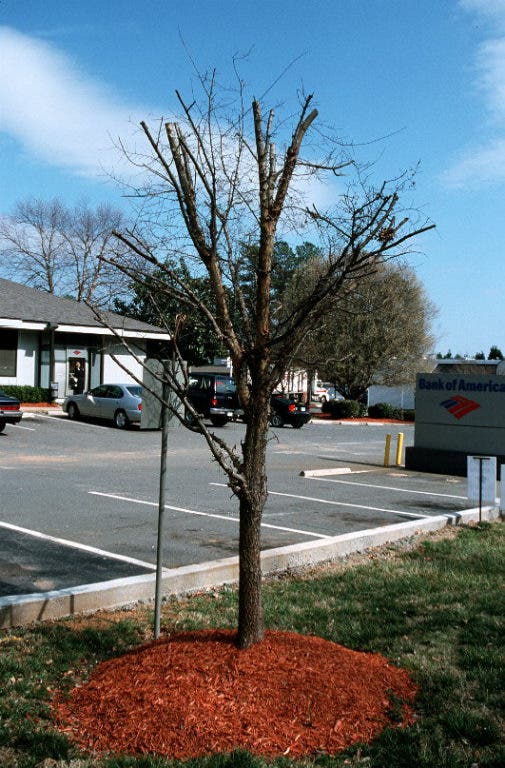

A lot of what I deal with on a daily basis are the trees growing in suburban areas – places like Center Valley, Coopersburg and other “backyard” habitats. But what about the street trees and trees living in these towns and other urban environments like Bethlehem or Allentown? These trees need care as well and they also have some special concerns associated with living along streets and parking lots. We will spend some time this month talking about street trees – trees living in the city, along major roads or in urban parks.
The basic care strategy for urban street trees is the same as for all trees: Plenty of water, adequate growing space, proper nutrients, healthy roots and a good dose of sunlight. But there are some specific concerns for trees growing in the stressful environment of a city. After proper planting and having the right tree in the right spot, the first area of concern is the root system (roots and root collar). If there is one common problem I see among trees planted in shopping malls, along streets or in the city, it is a damaged or buried Root Collar. And this is bad, because a tree’s root collar is the critical transition area between the trunk and roots. If this area is covered with soil and mulch, various problems can develop.
Many common root diseases can infect the trunk, especially when there is moist soil in contact with the trunk. These diseases may be cankers or wood decay organisms. Disease problems become more apparent in wet year, but can also develop following a prolonged drought. Either way they cause serious problems for the tree. Insects can also hide and grow in the mulch piled against the trunk. Protected from predators by mulch or soil, several groups of wood boring insects can more easily attack tree trunks. Other insects are very specialized and only attack root collars that are buried. Girdling Roots can also be a problem. Soil can also girdle the trunk. When the trunk is buried and the tree tries to grow in diameter (as it must to survive), the trunk pushes against the soil. When the soil next to the trunk is compacted, the trunk can no longer grow in diameter. At this point the trunk growth rate decreases as the soil exerts a girdling force.
Find out what's happening in Upper Sauconfor free with the latest updates from Patch.
Another area of concern for city trees is abiotic stress factors – things caused by non-living factors such as temperature extremes, snow, road salt… etc. Much of the emphasis in plant care is devoted to biotic diseases, which are those caused by living organisms such as bacteria, fungi, viruses and nematodes. Proper attention to both types of diseases is essential in maintaining plant health. Symptoms of both kinds of diseases can be very similar. This is why skilled diagnosis is critical and it takes a professional to make a proper diagnosis. Diseases affect different species of plants in different ways. Woody ornamentals usually manifest abiotic diseases in the form of generalized symptoms that develop over most, or a large portion, of the plant. Many abiotic stress agents predispose plants to the biotic problems – and that is the problem. Many trees are capable of fighting off the general problems it may face on a daily basis, but these abiotic problems weaken the plant and make it susceptible to a host of other problems. The most common preventable abiotic problems are de-icing salt damage, improper pruning and physical trauma. For things like storms and excessive heat and ozone, the best strategy is to keep the tree healthy. A healthy tree can survive a brief heat wave and drought and should be fine after the stress event is over.
Find out what's happening in Upper Sauconfor free with the latest updates from Patch.
Remember, with a little care, trees can survive almost anywhere!