Politics & Government
Expert Hydrogeologist Testifies at Geryville Quarry hearing
Lower Milford Zoning Hearing Board hears expert witness testimony on potential groundwater impacts of proposed quarry
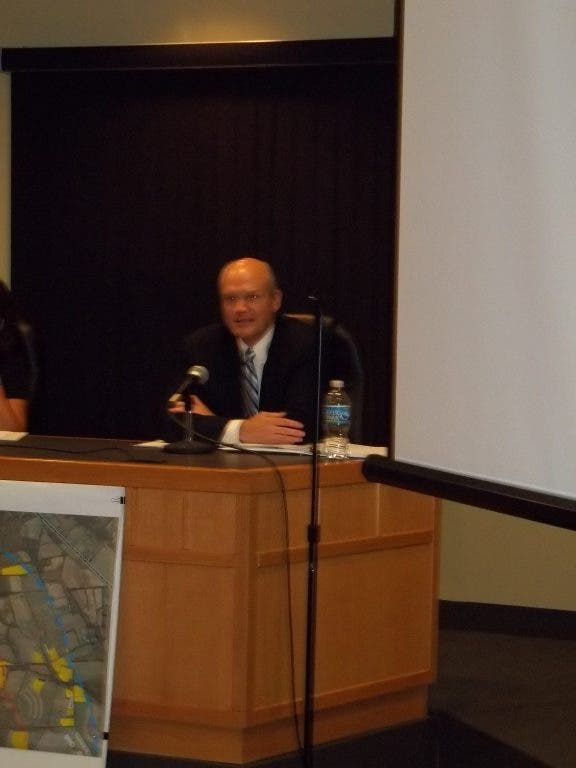
An expert on groundwater testified Wednesday that the proposed Geryville Materials quarry in Lower Milford Township could "create adverse impacts upon groundwater bodies" around the W. Mill Hill and Buhman roads site.
Charles McLane, a professional hydrogeology expert and owner of the Princeton, NJ-based McLane Environmental LLC, told the township Zoning Hearing Board of major environmental effects related to the proposed quarry. Examples are:
- Extraction would lead to less water feeding wetlands and streams near the site.
- Water pumped back into pit areas with thin soils could "break out" and cause flooding.
- Pumping water back could also affect acres of saturated soil, causing heavy erosion.
- Water flowing near a waste disposal dumpsite might come into contact with waste materials, possibly contaminating groundwater, nearby surface water (including streams) and drinking water.
McLane said he reviewed stuides commissioned by Geryville Materials and submitted recently by EarthRes Group and NTH Consultants.
Find out what's happening in Upper Sauconfor free with the latest updates from Patch.
“I noted that there were a number of factors that [EarthRes Group] failed to consider in the overall design of the system,” McLane said. “And I think these are important factors that should be considered in the design of the infiltration system.”
Examples of such factors include:
Find out what's happening in Upper Sauconfor free with the latest updates from Patch.
- Clogging effects: Water being delivered to the trench system and infiltrating through the soil and bedrock may carry small particles of silt and clay. Over time, these particles are filtered out of the water, clogging up the soil and bedrock.
- Wet season and high water table effects: During spring, soil becomes saturated from rain and melting snow, filling pore spaces with water. With no place else for the water to be delivered, the trench system plugs and sends the water above ground surface.
- Cold season effects: During cold weather months, water turns colder and is slightly thicker, affecting system performance. Cold temperatures can also freeze up the trench system, making water infiltration more difficult.
The board agreed to continue deliberations over McLane’s findings at the next hearing on Wednesday, Aug. 24.