Politics & Government
Lower Milford Zoning Board Hears Additional Testimony on Proposed Quarry
Township witness: Quarry would damage wetlands
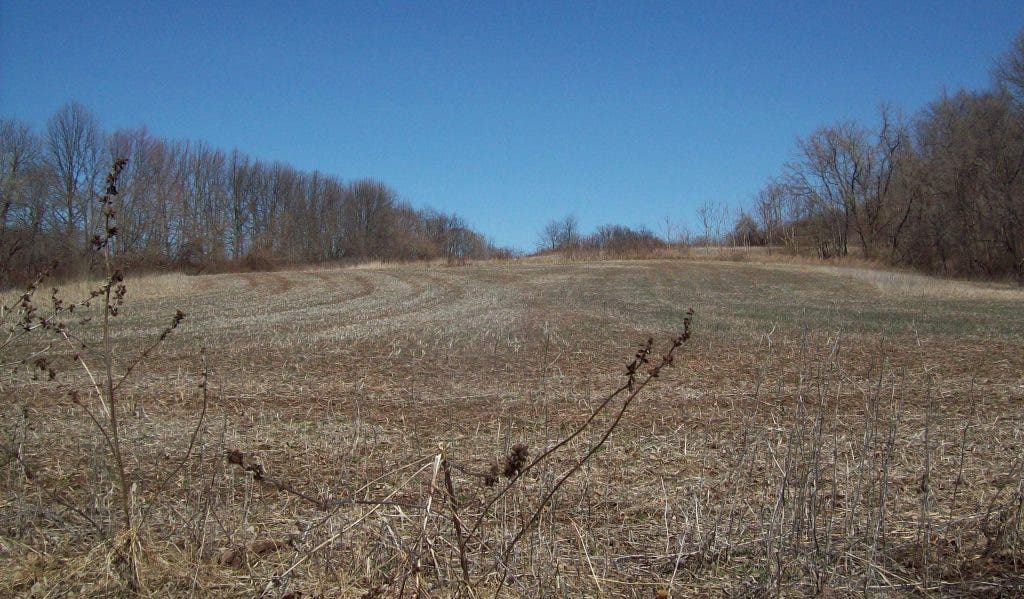
A witness for Lower Milford Township continued elaborating on familiar themes at the most recent township zoning meeting -- damage to wetlands, saturation, killing of trees and some plants-- if the Geryville mining project goes forward.
The witness, Mark Gallagher, vice president of Princeton Hydro in New Jersey, was cross-examined by Stephen Harris, attorney for Geryville Materials Inc., the company that wants to build the quarry at Buhman and W. Mill Hill roads.
Key points of the meeting included the following from Gallagher:
Find out what's happening in Upper Sauconfor free with the latest updates from Patch.
- A quarry would harm the quality of life at the proposed site.
- With a possible maximum of a 40-foot drawdown of water in some areas of the proposed site, it will change the hydrology of the area.
- The area will go from a well-drained area to a saturated area year-round; this will change the chemistry of the soil.
- Trees and some plants will die. They cannot survive in the saturated soil.
- There will be changes in runoff patterns, causing erosion as well as sediment to wash into the tributaries of Hosensack Creek. The flow in the smaller tributaries would diminish.
- No one knows how long the landfill on the site has been there, nor what is in it. It is unknown what will happen if the runoff patterns change and run through the landfill. It needs to be looked at as a possible public health, safety and welfare issue. “The reality of it is -- it is still waste, and we don’t know what’s in it. That alone is the question the applicant hasn’t satisfied.”
- During cross-examination, Harris attempted to discredit Gallagher’s testimony, saying he has no quantitative evidence about the wetlands.
- Harris also asked what kinds of trees were in the wooded area at the site, to which Gallagher responded, “It doesn’t matter what kinds of trees are there. They are not designed to be permanently saturated.”
- When asked by Harris if there are ways to prevent erosion and sediment from entering the streams, Gallagher said it would have to be studied.
- Testimony concluded with Gallagher.
The meeting was continued until 6:30 p.m. June 22.