Schools
Board Of Ed's Mancuso On Tests, Teachers, Gist
Eva-Marie Mancuso, RI's new Board of Education chair, uses courtroom demeanor to try to convince angry teachers and nervous parents that change is necessary.


Eva-Marie Mancuso enjoys a lively debate, but she is clear about one thing: When it comes to educating Rhode Island’s children, the status quo is not an option.
At a recent Q&A session in East Greenwich, the state’s new Board of Education chair, sparred with state Sen. James Sheehan (D-NK, Narr.) over teacher evaluations, cajoled teachers to work with the state, and tried to reassure at least one parent that using passage of a test as a graduation requirement is the right move.
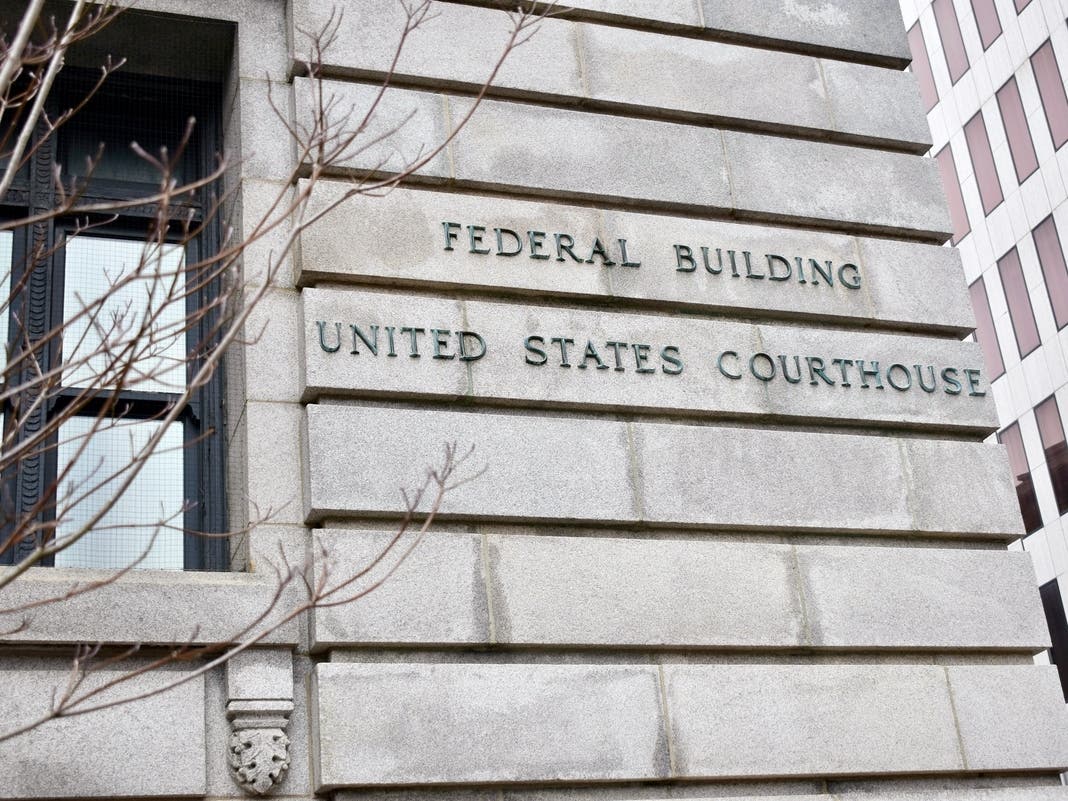
The forum, organized by the East Greenwich Democratic Town Committee, was held at EG’s Town Hall, the former Kent County Courthouse. The setting suited Mancuso, a personal injury lawyer.
Find out what's happening in Barringtonfor free with the latest updates from Patch.
Although the new Board of Education for the first time combines all levels of public education in the state – elementary, secondary and higher education – that wasn’t what those in attendance wanted to talk about.
Rather, they wanted to talk about a teaching evaluation system that has been instituted, the use of the NECAP standardized test as a high school graduation requirement, and Commissioner Deborah Gist.
Find out what's happening in Barringtonfor free with the latest updates from Patch.
Gist’s employment contract is up the end of June and the board will be talking about it at its meeting Thursday evening at URI.
“Commissioner Gist acts like she’s listening to you,” said EG teacher Judy Cavanagh, co-president of the EG teachers union. "But she’s not listening to you. She truly has her own agenda and I’m upset because our professional judgment is not being listened to at all. I have not met one teacher – I talk to all the districts – where teachers aren’t totally frustrated, totally demoralized. Is that the way to educate? We’re ruining the profession."
“What’s the alternative?” said Mancuso, saying that she was well aware of results of a recent poll by the Rhode Island Federation of Teachers and Health Professionals that 85 percent of teachers aren’t happy. “That’s a problem. We have to figure out how to get past that… I think that what we need to do is to start working together – meaningful working together.”
She refused to be say whether or not Gist’s contract should be renewed.
Teacher evaluations
“The evaluation process, we piloted it in Warwick,” said Sheehan, a teacher in Warwick. “It’s overwhelming. I’d prefer to get an IRS forensic audit than this. That’s how pleasurable it is. I’m being very sincere, it’s overwhelming.”
He implored Mancuso to reduce the reliance on student-test results on a teacher’s overall evaluation.
“This is going to gear the whole system … it’s going to gear it to the test, because that is the deity that everybody’s worshipping at the altar at right now,” he said. “I would urge you to either shrink the 50 percent down or do something about it because that is totally inequitable.”
“Nobody wants to knock teachers,” Mancuso said. “We just need to have a different result.”
EG School Committee Vice Chair Deidre Gifford, a doctor, offered her support for the evaluation process, noting similarities between teacher resistance today and that of doctors in the 1990s.
“The doctors were saying, ‘You can’t hold me responsible because my patients eat McDonald’s’ or, ‘You can’t hold me responsible because the quality of care is not measureable.’ It was a very difficult couple of decades, trying to get past that resistance. But I think we’ve largely gotten past it to … the idea that we can measure quality,” Gifford said. “I don’t think that because of the challenges that we can or should turn back.”
High-stakes testing
On the requirement that the class of 2014 reach partial proficiency on NECAP standardized tests to graduate, Mancuso seemed unlikely to change course.
“As the chair of this board, I’m not comfortable saying I think we should change the standards so that partial performance is good enough. It’s just not... When kids are at ninth or tenth grade level [at graduation], that’s a problem with the system," she said.
"Once everybody recognizes there’s a problem – we know there’s problem and we’ve got to get to the end – and we’re willing to work together to get to the end, we’re going to have a more public debate about that. We’re going to have people who feel better about the process. Teachers will feel respected, but so will parents and administers and business people and college professors and everybody else."
Get more local news delivered straight to your inbox. Sign up for free Patch newsletters and alerts.