Health & Fitness
Time to Start the Garden -- Almost
You can grow tasty, nutritious, and un-chemicalized food with your own two hands in your own yard. What's not to love?
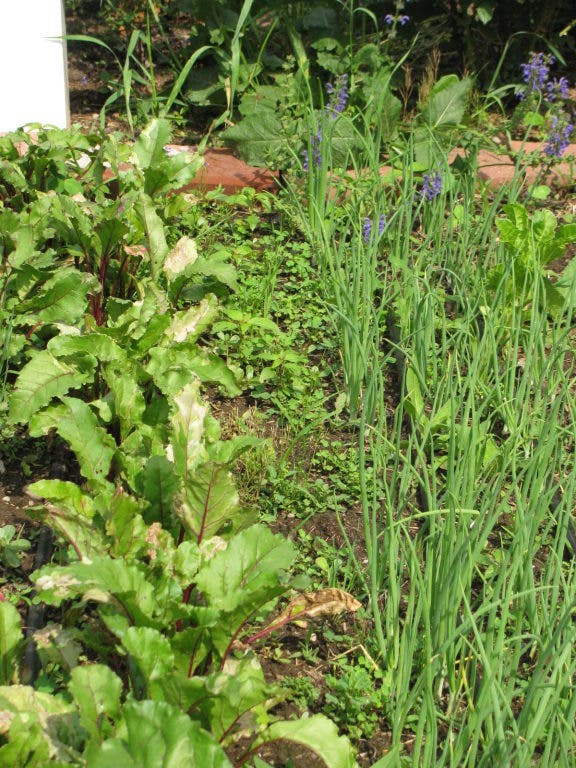
While non-gardeners may be doubtful, true gardeners know that the gardening season has already begun. Maybe not yet outside (although winter pruning is in order), maybe only in a chair, but we gardeners are moving full speed ahead.
Garden plans are being made, seed and plant orders are being mailed, and gro-lights are being hoisted into operation. And little seedlings destined to be heirloom tomatoes or spicy jalapenos are pushing their little heads through the potting soil.
Rejoice!
Find out what's happening in Barringtonfor free with the latest updates from Patch.
For all of you who have never grown anything, or have been limited to annuals, I urge you set up a small fruit or vegetable garden this year. There is a tremendous amount of pleasure from planting a seed or a plant and having food come from it, and some things never taste better than when you grow them.
Gardening doesn’t have to be all-consuming if you tailor it to your needs. But three things you absolutely need: good soil, strong sun, and ample water. And the plants, of course.
Find out what's happening in Barringtonfor free with the latest updates from Patch.
Growing your own allows you to control the quality of your food if you refrain from using chemical pesticides (which I would most strongly recommend). It is also said that homegrown vegetables are often more nutritious than store-bought vegetables that have been picked under-ripe, bred to withstand shipping and refrigeration, and perhaps grown under questionable conditions. The feeling of self-sufficiency is powerful when you can replace, even a little bit, your reliance on a flawed food supply system with food grown by your own two hands.
So, are you ready?
Scout out a good location on your property for a garden, one with at least 6 hours of sun per day. South- or west-facing exposure is best for most crops.
The garden can be as simple as an area of the lawn with the grass removed. Getting a planting bed ready is probably the hardest and most important part of setting up a food garden, but you only need to do it once. As soon as the soil can be “worked” (i.e., is not frozen or muddy), you can start.
Remove the grass plants, roots and all (this best done manually; plan to get dirty), break up the underlying soil to bring in air, and amend the soil with material to increase its organic and mineral content. There are lots of readily available soil amendments, such as compost or kelp meal, and information from the University of Rhode Island Fact Sheet series (http://www.uri.edu/ce/factsheets/indices/ 0soilindex.html) can help you.
If neatness matters, make a raised bed by edging the area with lumber, bricks, cinderblocks, or rocks to separate it from the rest of the yard. It doesn’t have to start raised; in other words, you don’t need to fill it with soil to the brim. It will raise itself through successive additions of compost and mulch over the years (see, I assume you will like this).
Deciding what to plant is typically harder, albeit not physically, if only because your options are so great. If you are only going to grow one thing, or think you have a purple thumb, my recommendation is to grow raspberries. Raspberry plants are just about permanent, they are prolific, require only feeding, weeding, and an annual haircut, and suffer from few diseases. And nothing surpasses that first warm ripe raspberry in early July, picked right from the plant. I’ve had a raspberry patch in every home-with-a-yard I’ve owned and will never have a home without them. Have a handful of raspberries with your morning cereal, make raspberry jam, make raspberry sauce for ice cream, or raspberry cheesecake (yum!) Blueberries, strawberries, and blackberries are also good fruits to try.
If you’d prefer growing vegetables, most are quite easy to grow. Tomato, eggplant, and pepper plants can be bought at most home centers; just stick them in the dirt, make sure they get some natural fertilizer and something to hold them up (a cage or stake), water, and step back. Unless something really bad happens to them (like not getting any water for a week), they will grow. Peas, green beans, carrots, beets, and squash can be planted as seeds, as can most greens like swiss chard, spinach, and bok choi. You can also grow basil (best from a plant) to make fresh pesto all summer.
If you’re new at growing things, don’t go overboard and overwhelm yourself. Grow what you will eat; particularly, fruits and vegetables that taste so much better fresh than those from the store. These most notably include tomatoes, peas, and strawberries. For all of the springs that I’ve grown peas, most have not gotten out of the garden before being eaten - raw, fresh shelling peas are outstanding (garden candy).
There is certainly a lot of information out there on how to optimize growing specific fruits and vegetables and how to treat or prevent damage by bugs and diseases, but by and large, plants will grow happily with just sun, good soil, and water (and a little mulch while you’re at it to keep the weeds at bay). But since each type of plant has its own peculiarities, you may want to know what they are to help the plant along. All you need to know is just a mouse click away. It’s not rocket surgery.
As any gardener will tell you, each gardening season is a different because it depends on the weather. A wet spring will make it difficult to get early spring crops planted, so it may be a bad year for peas, but a great year for blueberries, which love water. If it’s hot and dry, your tomatoes and peppers will be happy, but your lettuce may bolt and burn. Expect some failures, they’re inevitable, but you’ll almost always have successes. That challenge to succeed when all you can do is respond is one of the motivators of gardening.
A word of warning, however. Gardening is addictive. The gardening jones may get you after one season, and soon you’ll be sending away for catalogues and wanting to grow more exotic plants, and planning on expanding the size of the beds. It happens. It happens a lot. But don’t let that stop you. There is something so satisfying about planting a seed, nurturing it from its babyhood into an adult plant, watching it bloom and set fruit (vegetable, whatever), then picking the fruit and eating it. And if you’re really motivated you can learn the near-lost art of preserving so that you can eat it during the cold season (three bean salad!) or save the seed to grow again next year.
Make this the year when you take a little control of your food by starting a garden. And if you have any questions, ask me. I don’t know it all, but I do know things, and I’m glad to help you.
And happy gardening!