Neighbor News
Native Plant Sales Not to Be Missed!
Learn about native plants for Rhode Island, and their crucial role in feeding wildlife, including songbirds.

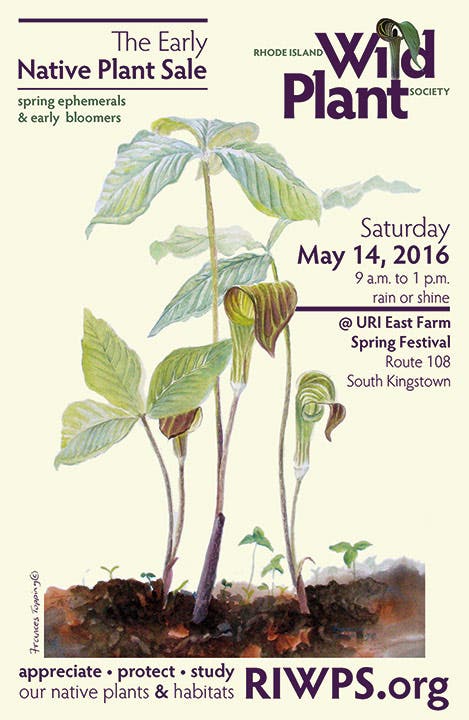

Don't miss the Rhode Island Native Plant Society's two plant sales this spring!
May 14: Spring ephemerals, including blood-root, painted trillium, rue-anemone, marsh-marigold and many other early blooming natives will be offered at RWIPS's early plant sale, 9 a.m. to 1 p.m., at URI East Farm Spring Festival, Route 108, South Kingston.
These early bloomers provide nectar and pollen for hungry insects before many other plants flower. But their leaves are important too. Native insects have co-evolved with very specific plant species over the millennia.
Find out what's happening in Bristol-Warrenfor free with the latest updates from Patch.
Butterflies and moths lay their eggs on the leaves of the species that have evolved with them; when the eggs hatch, the caterpillars eat those very leaves and thrive. And the protein-rich large are like juicy steaks for hungry birds. Songbirds feed on them to build their reserves for mating season--and then carry them to the nest to feed their young. So every native plant in your garden helps out the birds.
June 4, BEST NATIVE PLANT SALE IN RHODE ISLAND, 9 a.m. to 1 p.m., rain or shine, at URI East Farm, Route 108, South Kingston.
Find out what's happening in Bristol-Warrenfor free with the latest updates from Patch.
Hundreds of native species, grown by expert gardeners are available from trees, shrubs and vines -- pagoda dogwood, American holly, coastal sweet pepper bush, and trumpet honeysuckle -- to summer and fall-blooming perennials, suited to sun, shade, dry and wet conditions.
To name a few beauties: sundial lupine, whose sky-blue pea-liek blossoms attract the Karner butterfly, which lays its eggs on this wildflower's leaves. Blue vervain, which attracts many pollinators to its flowers and songbirds to its seeds. Or how about the native clammy azalea, whose pale pink flowers smell like cloves; its leaves turn shades of hello, orange and purple in fall.