Community Corner
Coventry Roots: Greene
The seventh village in our series about the history of the villages of Coventry is Greene.
According to the History of Greene and Vicinity by Squire Greene Wood, the center of Greene was located two and a half miles east of Connecticut and two and a half miles from the village of Summit. It was bound on the east and the north by the Buckshorn Brook, on the west by a place called Jordan’s Cut, and the south by the schoolhouse in Hopkins Hollow.
In the 18th century there was very little settlement in the area that is now the village of Greene. There were two dirt paths that helped people move between Hopkins Hollow and Coffin Road and at least two farms owned by Esek Jordan and Olney Briggs. The birth of the village happened with the construction of the railroad in 1854 when the Providence, Hartford, and Fishkill Railroad built a temporary depot and the first train arrived from Providence to Willimantic in October of that year.
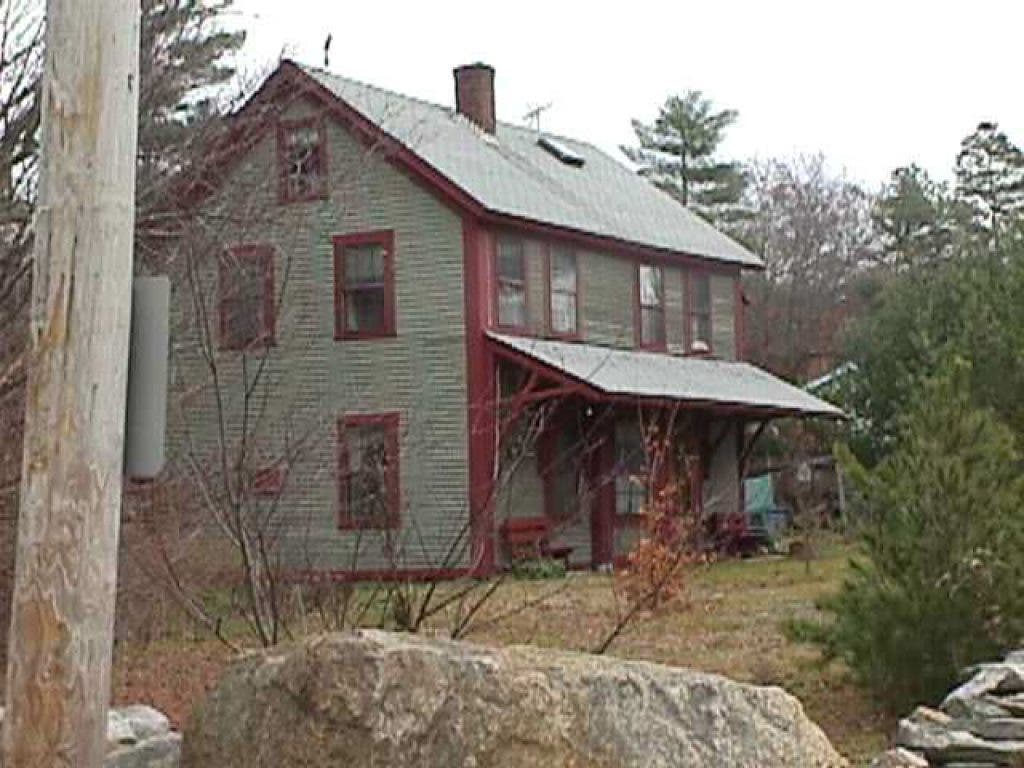
The station was replaced in 1856 with a new two-and-a-half story wooden structure with a passenger platform and a special Milk platform where dairy products were held for pick up by the train. Lumber, dairy goods, and locally grown produce were transported along the railroad. The steam powered locomotives needed fuel to heat water to produce the steam, thus the wood harvested from the surrounding land was used by the railroad. The selling of the wood helped to provide a supplemental income for the local farmers that sold their wood in two foot sections for around 75 cents to 1 dollar per cord.
Find out what's happening in Coventryfor free with the latest updates from Patch.
The train schedule changed with the change of hands of the railroad to the New York and New England Railroad in the 1870s. The new schedule made it difficult for the residents of Greene to get to Providence and with the arrival of the new coal fired steam engines, the need for wood ceased and the local farmers were impacted by this loss of income. The popularity of the automobile in the early twentieth century changed the transportation needs of the villagers and though they tried hard to maintain their rural countryside, they were eventually forced to put in modern roads to meet the needs of the automobile. Just as the train gave life to this village, its decline once again changed the area.
The village of Greene was originally called Coffin Depot in honor of the Coffin family who originally came from the Island of Nantucket and settled in the area. In about 1856 the Providence and Plainfield Railroad officials named the village for the Revolutionary War General Nathanael Greene. With the discontinuance of the railroad the depot was moved and is now a private residence located on Route 117. The village is no longer the hub of activity that it once was but it has evolved into a quiet community with a farmers market and a library.