Crime & Safety
Cranston Anti-Panhandling Ordinance Declared Unconstitutional
A disabled veteran charged for soliciting roadside donations last June sued the city of Cranston, alleging a violation of free speech.


CRANSTON, RI—A lawsuit filed against the city last year by a disabled veteran to challenge an anti-panhandling ordinance has been settled after a U.S. District Court judge this week agreed that the law is unconstitutional.
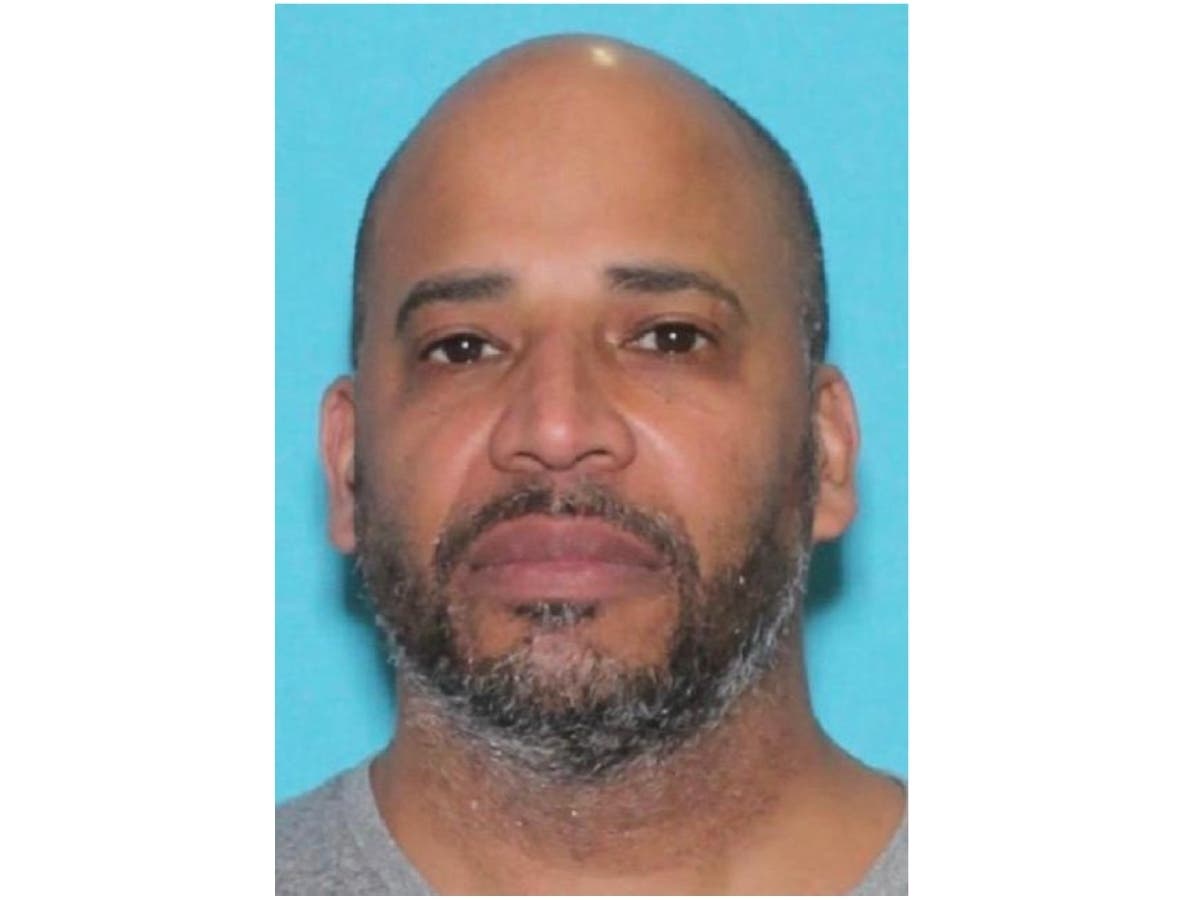
The lawsuit, filed last December by the state chapter of the American Civil Liberties Union on behalf of Michael Monteiro, 57, challenged the constitutionality of the ordinance passed by the Cranston City Council several years ago restricting roadside solicitations. The council acted in response to increased complaints about panhandlers at particular intersections across the city.
Monteiro, who stood on a median on Planfield Pike carrying a sign that read: "disabled, need help, God bless" was issued a summons for violating the ordinance and told leave the area by a Cranston police officer who said he would get arrested if he came back.
Find out what's happening in Cranstonfor free with the latest updates from Patch.
Though the charge eventually was dismissed in Cranston Municipal Court, Monteiro, backed by the ACLU, sued, alleging that the ordinance was unconstitutional and violated free speech rights.
Further, the suit implied that the ordinance effectively criminalizes being poor. When the ACLU announced they were suing, Executive Director Steven Brown said that the police department only has enforced the ordinance against people “trying to scrape by” while allowing local sports teams to stand on the sidewalk and collect money for uniforms and trips to regional tournaments.
Find out what's happening in Cranstonfor free with the latest updates from Patch.
Today, U.S. District Court Judge John McConnell Jr. approved a consent judgement that declares the ordinance unconstitutional and "the City agreed to notify all police officers of the judgment and their obligation to refrain from enforcing the ordinance," the ACLU said in a news release.
Monteiro was also awarded legal fees and $1,500 in damages for the violation of his rights.
“I’m pleased that Cranston has acknowledged that its panhandling ordinance is unconstitutional and unenforceable. I hope other communities, like Providence, don’t politicize the issue," said ACLU of RI volunteer lawyer Marc Gursky.
Providence police halted enforcement of a similar ordinance in Providence after the ACLU threatened to sue for similar reasons as the Cranston lawsuit.
According to the consent agreement, signed by city lawyer Marc DeSisto, the city will pay the $1,500 in damages to Monteiro and $4,975 to his lawyers within 30 days.
Monteiro is disabled and said he asks for money from people only to supplement his disability payments, which don't go very far.
He said he suffers from avascular necrosis and walks with a cane.
He said he moved furniture for 30 years, which ruined his body.
“Your body isn’t made to do that,” he said.
Monteiro said he doesn’t want to panhandle, but when his disability payment runs dry, he feels he has no choice. Most of his income goes to pay his rent at a low-income housing complex in Providence.
Coming to Cranston was appealing, he said, “because they have money over there.”
He said he could make $30 in one hour, which goes a long way toward staving off hunger and keeping a roof on his head.
“All I am doing is exercising my right to express myself, and letting people know of my life and my needs. I should have that right. I’m not harming anybody. If a person can display a sign saying ‘Vote for Hillary’ and solicit votes, why can’t I display my sign?”
The settlement will frustrate supporters of the original anti-panhandling ordinance.
Supporters of the ordinance argued that they believe panhandlers are taking advantage of people’s good will, might be using the money to buy drugs or alcohol and create an uncomfortable situation when young children are riding in the car and ask “why is that person standing there?”
When the city was first served with the lawsuit, the mayor's office issued a statement reinforcing the motivations that led to the passage of the ordinance.
"We will work to protect motorists on crowded city streets from unnecessary distractions, which threaten the safety of others, including those causing the distraction. Once again the ACLU is misrepresenting a common sense public safety issue," said Robert Coupe, director of administration.