Business & Tech
Rhode Island Hair Salon Owner Organizing India Point Park Clean-Up Event
"The beauty industry alone is responsible for so much waste and plastic that I feel it's the least we can do," owner Robyn Dubois said.


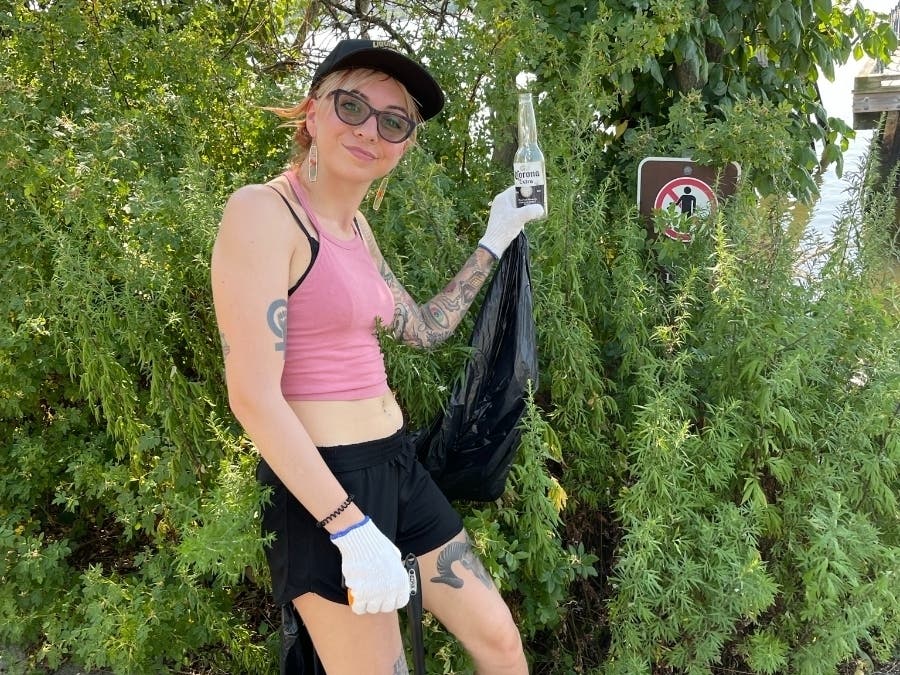
CRANSTON, RI — Robyn Dubois, the owner of Honey Comb Studio in Cranston, prides herself on running a "low toxic" hair salon.
She uses plant-based products, always packaged in aluminum or glass, most of which are refillable. Dubois said she does this to eliminate contributing to plastic pollution, but she wants to do more with the help of clients and volunteers.
On Feb. 11, Dubois, along with the Ocean Recovery Community Alliance (ORCA), Mary Lou Nicholson and Friends of the Saugatucket, will host a community clean-up at India Point Park in Providence to clear plastic and other litter from the area.
Find out what's happening in Cranstonfor free with the latest updates from Patch.
"The beauty industry alone is responsible for so much waste and plastic that I feel it's the least we can do," Dubois said. "I believe that even if we aren't the ones polluting this earth, it's our responsibility because we know better."
This will be the second community clean-up event Dubois helped organize at India Point Park. At the last clean-up event over the summer, Dubois said there were just three volunteers, but they still were able to collect 25 pounds of plastic and other litter.
Find out what's happening in Cranstonfor free with the latest updates from Patch.
For this event, Dubois said around 10 people are coming to help, and she hopes to get even more volunteers.
"You can hang out with friends. Make it a first date activity, but most importantly we're doing something productive," Dubois said.
Specifically, Dubois said this clean-up event will focus on collecting plastic nip bottles. ORCA challenged Rhode Island environmental groups to collect the 50-ml plastic alcohol nips. Whoever collects the most nips between now and March 27 will receive a prize from ORCA.
"This one is so important because once the nip bottles break, they shatter into a million microplastic pieces," Dubois said. It turns into fish and other critters eating them. It's so hard to filter out of the water, and we want to prevent it before it really happens."
Get more local news delivered straight to your inbox. Sign up for free Patch newsletters and alerts.