Politics & Government
Marijuana Legalization In RI: What To Know About Proposed Law
From a 20 percent tax rate to how much control is given to cities and towns, here's an overview of the latest legalization legislation.


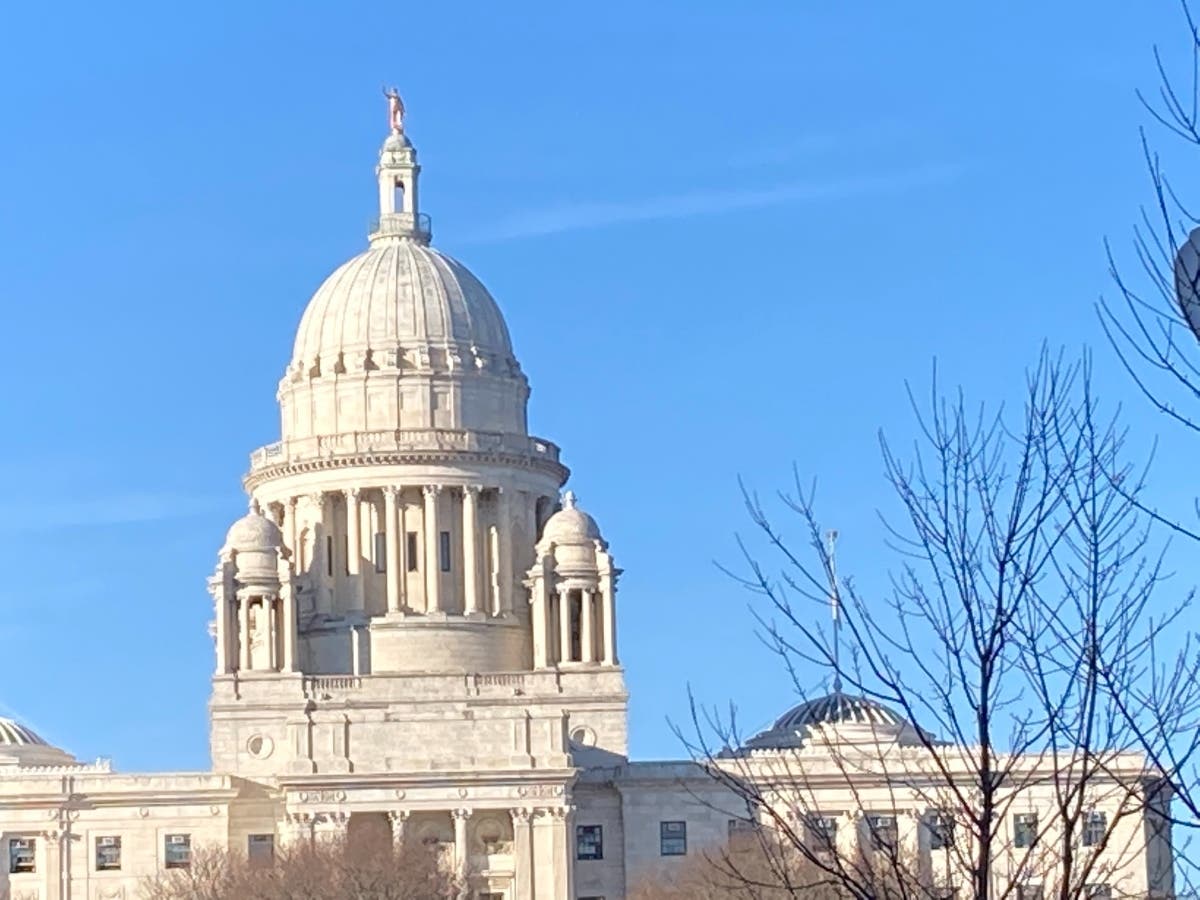
PROVIDENCE, RI — Rhode Island lawmakers on Tuesday laid out their plan for legalizing recreational marijuana, calling for 20 percent sales taxes. If approved, the rules regulating who can buy the product — and when — would mirror those of alcohol in many ways.
Bill overview
The bill resembles regulations in Massachusetts, which has allowed recreational marijuana for several years. If approved, it would allow Rhode Islanders 21 and older to have up to 1 ounce of marijuana. It would also allow for some home growing. Similar to alcohol, open containers would be banned in vehicles, and consumption would not be allowed in public areas.
Sales would be taxed 20 percent: Rhode Island's 7 percent sales tax, a 3 percent local tax collected by cities and towns, and an additional 10 percent tax.
Find out what's happening in Cranstonfor free with the latest updates from Patch.
The legislation was introduced by Democratic Sen. Joshua Miller and Senate Majority Leader Michael McCaffrey. Miller said the move "is a monumental shift in public policy that effectively creates a new economy."
"We want to ensure as many Rhode Islanders as possible have the opportunity to participate in this new economy," Miller said. "That is why we set low, tiered licensing fees and we are also calling for the creation of a Cannabis Equity Fund to help individuals who have been directly and indirectly impacted by our past policy of prohibition."
Find out what's happening in Cranstonfor free with the latest updates from Patch.
Cannabis Control Commission
The legislation calls for the creation of a five-person board, which would be tasked full-time with overseeing the licensing of the industry. The cannabis supply chain is divided into four subgroups: cultivation, manufacturing, retail and testing. Businesses would not be allowed to hold more than one license, in an effort to prevent monopolization of the market. License fees would range from $100 for small businesses to as much as $20,000 for the largest growers and sellers.
The Cannabis Control Commission would have the ability to create rules and regulations for the market and would be responsible to vetting applicants. When it comes to sellers, no more than one license would be allowed per 10,000 people in a city or town, though each community would be allowed up to three licenses each.
Communities would have the power to opt out of the process via a voter referendum. In that case, the city or town would not receive the 3 percent sales tax from the retail business. Municipalities would also have free rein to make their own ordinances about when, where and how cannabis can be consumed locally, though they would not be allowed to impose any additional fees.
"We want to provide cities and towns with the ability to opt-out, but we cannot allow an overly burdensome patchwork of regulation throughout our state," McCaffrey said. "We know from experiences in other states that less parochialism and lower fees leads to greater transparency and a more competitive market. If a community wants to opt-out and forgo tax revenue that is one thing, but we also need to make sure the process is open and transparent."
Righting past wrongs
The bill would also create a "Cannabis Equity Fund," which would offer technical or grant assistance to qualifying individuals and offer "a fee-free mandatory expungement process for individuals with marijuana related offenses."
"Cannabis legalization is as much about reconciliation as it is revenue," McCaffrey said. "The Justice Reinvestment prison reform initiative showed that policies of prohibition have disproportionately impacted communities of color, and I believe we must ensure any effort to legalize cannabis recognizes and rectifies those wrongs. Low barriers to entry, expungement reform, and broad access to programs designed to increase access for individuals and communities impacted by the failed War on Drugs are an important and necessary component."
Get more local news delivered straight to your inbox. Sign up for free Patch newsletters and alerts.