Politics & Government
Developer Wants 17 Apartments At 60 Crompton Ave.
Planning Board will recommend granting the zoning variance with caveat that three of the units must be "affordable."


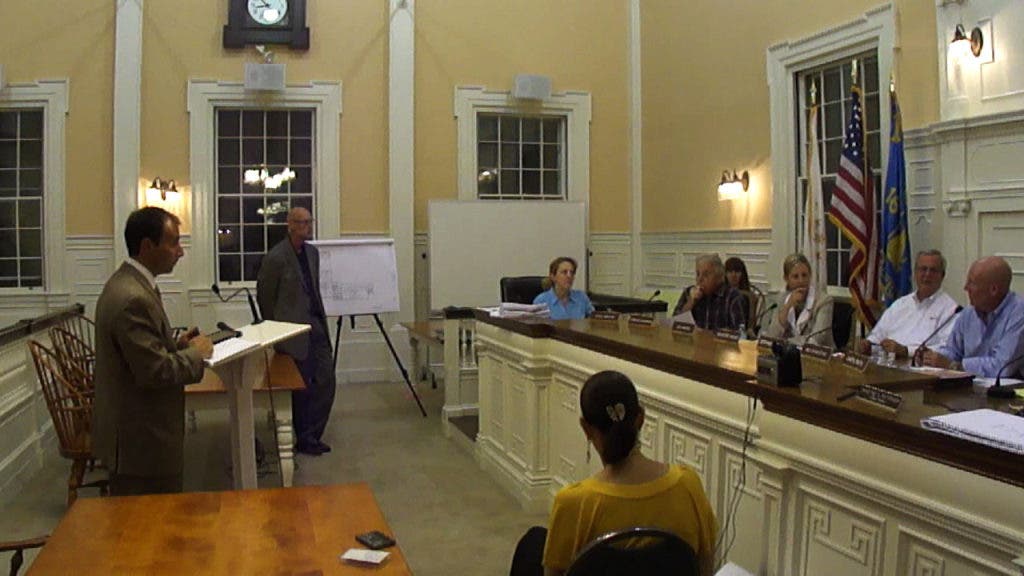
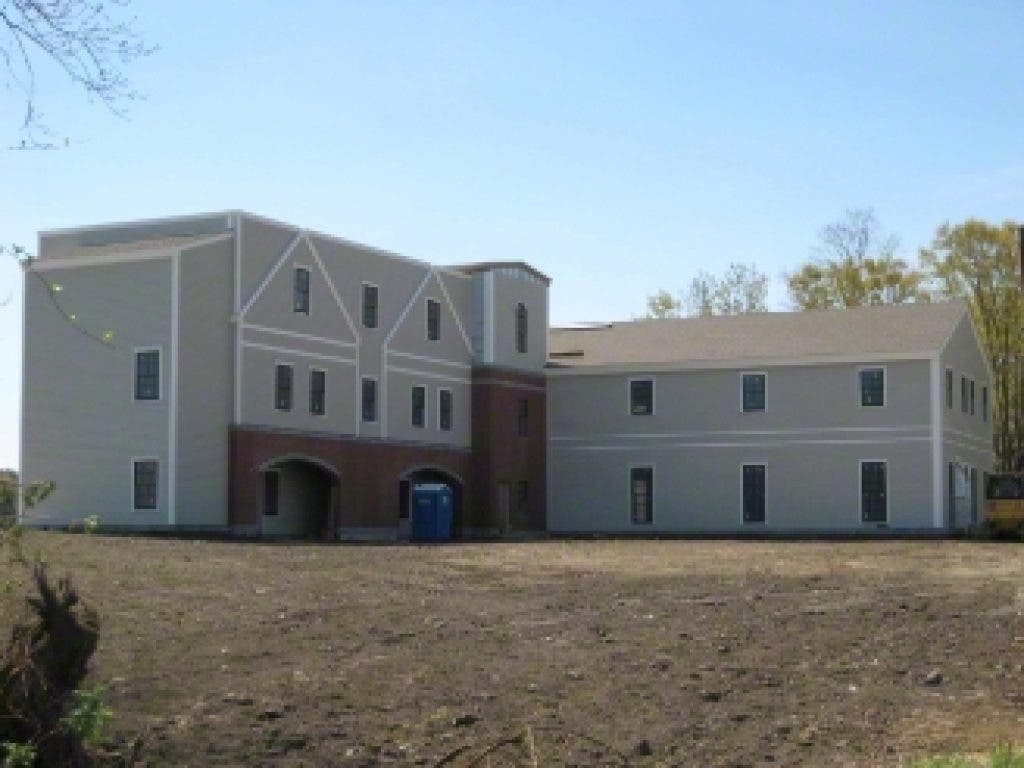
The developer of 60 Crompton Ave. got one step closer to being able to build 17 apartment units there when the Planning Board last week decided it would recommend granting a zoning variance.
The unfinished building, between the sewage treatment plant and the town boat launch, needs a zoning variance because it was originally approved for light industrial space. In addition, it needs density relief because the lot size is only approved for just over nine units.
The recommendation will now be given to the Town Council, which will factor it in in its decision. Then the plan will return to the Planning Board for final approval.
The hitch, for the builder, is that the Planning Board is requiring that at least three of the units be “affordable.”
John Mancini, the lawyer for the developer, first tried to argue that having 17 smaller units (as opposed to 9 larger ones) would guarantee that the units remain affordable. More units mean more overall rent, but lower rent per unit, he said. If that’s the case, he said, there’s no need to mandate that three are set aside for “affordable” status.
Affordable housing units are in short supply in East Greenwich, which is required by state law to have at least 10 percent of its housing stock be “affordable” by 2015. East Greenwich has 4 percent. An affordable housing unit is that for which the price is set so that it would be affordable for someone with an income between 80 and 120 percent of the median for Kent County. It is not public housing, but it is deed restricted.
“If we give relief to you, we open the door,” said Chairman Brad Bishop.
Mancini disagreed, saying that the town statute did not specify rental units in its dictate for more affordable housing.
“The state keeps a unit count of affordable units,” said Town Planner Lisa Bourbonnais, “and it includes both rental and owned properties … it includes both.”
“Your statute doesn’t include them both,” said Mancini.
“A housing unit is a housing unit is a housing unit,” countered Bourbonnais.
“Specific trumps general,” said Mancini. “I argue that the statute doesn’t apply to this.”
“I just hate to see this happen in this particular case,” said Bishop.
“I’m not looking to argue a Supreme Court case,” said Mancini. “We’ll look at the affordable housing issue.”
After more discussion on the issue, Mancini said that the developer, Donna Corsetti of Lincoln, would be willing to accept that 3 out of the 17 units be affordable.
On Thursday, Bourbonnais explained that the Planning Board wanted to get the number of affordable units in writing to safeguard the town.
“If there’s a restriction in place, that remains in place whether the property changes hands or not,” she said. “It goes with the land and doesn’t just fall away with the owner. Without that in writing, of course they could just convert them to condos.
“That was my biggest concern,” Bourbonnais said about getting it in writing. “It helps the project’s odds a lot. We’re not in the habit of handing out density bonuses without benefit to the town.”
The Town Council will take up the issue in August.
Get more local news delivered straight to your inbox. Sign up for free Patch newsletters and alerts.