Politics & Government
New Rhode Island Law Offers Food Donation Protections
Governor Gina Raimondo signed a bill to protect individuals and businesses from liability related to food donations.


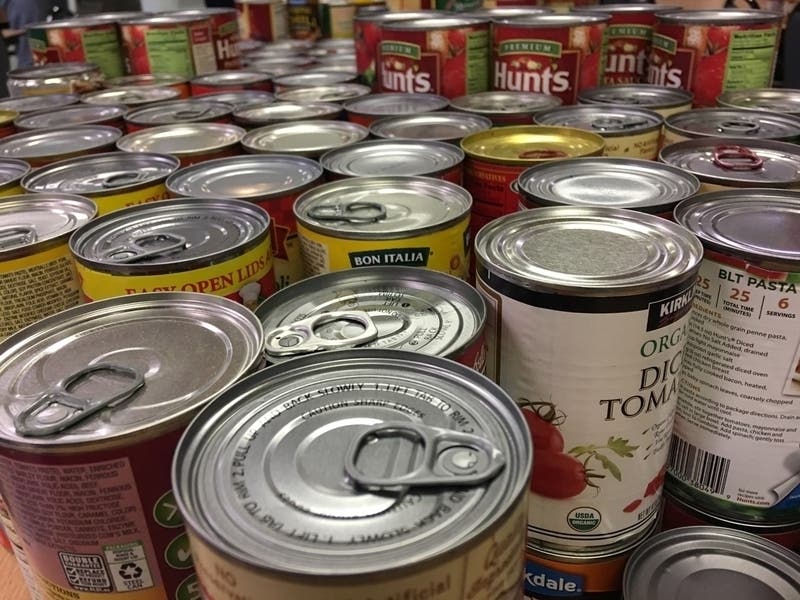
A bill encouraging food donations in Rhode Island has been signed into state law. The "Rhode Island Food Donation Act" protects individuals and local businesses from facing legal consequences if someone becomes ill or dies after eating donated food, an often-cited reason for throwing away food rather than donating it.
The new law protects anyone who donates food that "is fit for human consumption at the time it was donated" from any liability for illness or death, except in the case of "gross negligence or intentional misconduct in the preparation or handling" of the food.
In addition, the law recognizes the sometimes arbitrary nature of food expiration, best-by and sell-by dates, extending the same protections to food that is past date but still fine to eat. Food bank employees are tasked with making a "good faith" decision when sorting foods, especially non-perishables like pasta that can safely be eaten well past expiration dates. Under the law, food banks and their employees are protected as well.
Find out what's happening in East Greenwichfor free with the latest updates from Patch.
The bill was passed by the House of Representatives in April. Cumberland Representative Alex Marszalkowski, the bill's sponsor, is a farmer who is committed to reducing food waste and addressing community hunger issues.
"I'm very interested in solving the problems in the food stream that result in good food getting thrown away while people are going hungry in the same community. This kind of waste is senseless and harmful, but is often compelled by regulations about food safety and by the potential for litigation," Rep. Marszalkowski said at the time of the House passage. "This bill will help to eliminate the roadblocks while maintaining safety, and help businesses and organizations get excess food to people in need, instead of dumping it in the landfill."
Find out what's happening in East Greenwichfor free with the latest updates from Patch.
With the law's passage, the Rhode Island Department of Health is now tasked with creating a public education campaign to encourage food donation and make sure Rhode Islanders understand the new law and its protections.
The Rhode Island Department of Health has been supportive of the bill all along, a department spokesperson said, as food insecurity and waste is a major problem in the state. Approximately one in eight households do not have access to sufficient food for everyone living there and up to 40 percent of the waste in landfills is food, the department reported.
"Access to food is one of the many factors in our homes and communities that has significant impacts on health outcomes. Adults who are food insecure are at an increased risk for a variety of negative health outcomes, such as obesity and many chronic illnesses. We also know that children with food insecurity face a higher risk of developmental challenges," the department said in a statement. "Getting unused, edible food to people who are hungry is part of our work to give all Rhode Islanders in every ZIP code throughout the state an equal opportunity to healthy."
Get more local news delivered straight to your inbox. Sign up for free Patch newsletters and alerts.