Politics & Government
Officials on the Prowl for Coyotes After Sightings Reported
To avoid public health problems, the Department of Public Works urges the public not to feed coyotes.

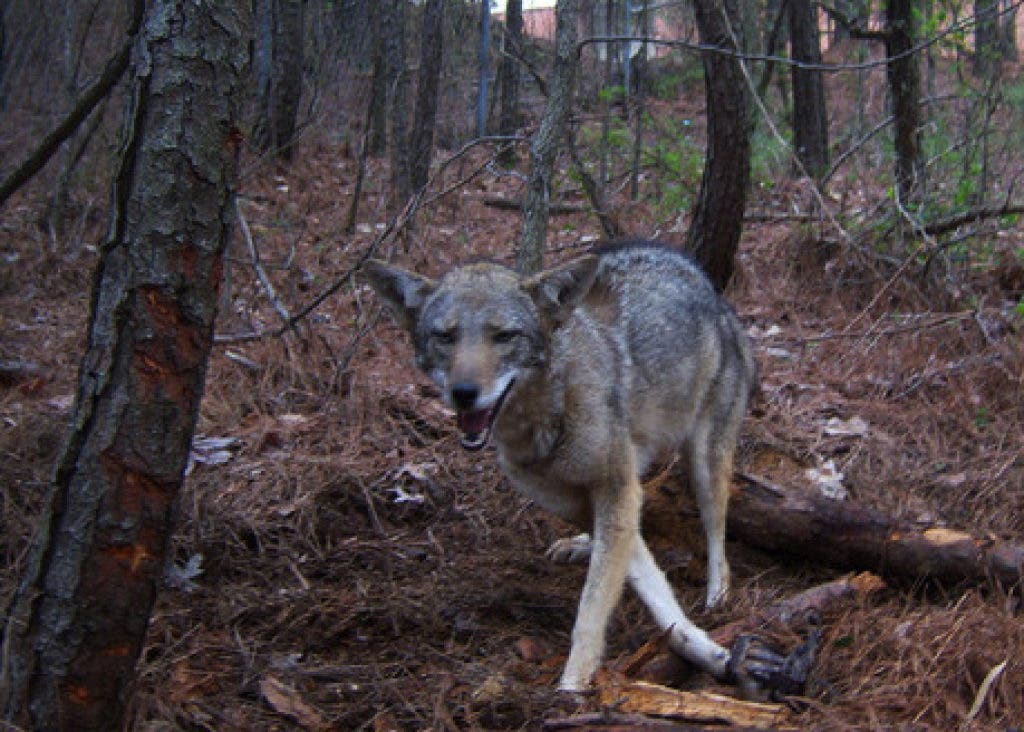
The has received repeated visits from one of nature's wonders over the past month. But the creature has drawn more than onlookers bearing binoculars.
According to East Providence Animal Control Officer William Muggle, department staff and police officers are routinely called to the course to monitor the whereabouts of a local coyote.
"He's been around for awhile," Muggle said. "He's not afraid to come out and watch cars go by, he does his hunting during the day...We're keeping tabs on him."
Find out what's happening in East Providencefor free with the latest updates from Patch.
Last week, officers found the furry animal eating a rabbit carcass on the golf green. According to Muggle, the coyote does not appear to be sick or infected with rabies; however, the animal is a bit more brazen than other coyotes.
"He's bold," he said, noting he still has a fear of humans.
Find out what's happening in East Providencefor free with the latest updates from Patch.
Muggle thinks the animal is living behind the golf course in the woods near a stream. He also ventures locals are feeding the creature, prompting the coyote to stay within populated areas. He urges the public to refrain from feeding wild creatures.
Coyotes are usually not a public health hazard though cats and small dogs may be in danger if they come in contact. Muggle recommends cat owners keep their pets inside. Coyote sightings have also been recorded at Martin School; pup dens have been found there.
According to Rhode Island Department of Environmental Management officials have been tracking coyote sighting across the state. According to the agency's data, most coyotes are non-threatening to humans and the animals have a low rate of rabies infections. However, coyotes can be wily. Last summer, a was injured from an alleged coyote attack.
Some tips to avoid problems with coyotes:
- Do not leave garbage containers open or accessible to animals.
- Do not feed your pets outside. If you must, remove all uneaten food immediately.
- Never intentionally feed coyotes or other wild animals.
- Keep small pets, especially cats indoors, a coyote will not make a distinction between your house cat and any other small mammal.
- Keep your pets vaccinations and heartworm prevention up to date.
- Inform young children never to approach any wild animals.
- Protect vulnerable domestic fowl and livestock in enclosures, particularly during birthing season. Properly dispose of carcasses. Consult with the Division of Fish and Wildlife for ways to protect livestock from coyotes and other predators.
- Use loud noises such as whistles, air horns, shouting or whatever is available to discourage coyotes from taking shortcuts or frequenting backyards.
- Inform local or DEM officials of any contacts between coyotes and pets or people.
Get more local news delivered straight to your inbox. Sign up for free Patch newsletters and alerts.