Community Corner
One Year After Rhode Island’s Historic Floods
Dam Removal and River Restoration Make Sense for Public Safety and the Environment.

By Jonathan Stone
What lessons did we learn from the historic floods of March, 2010?
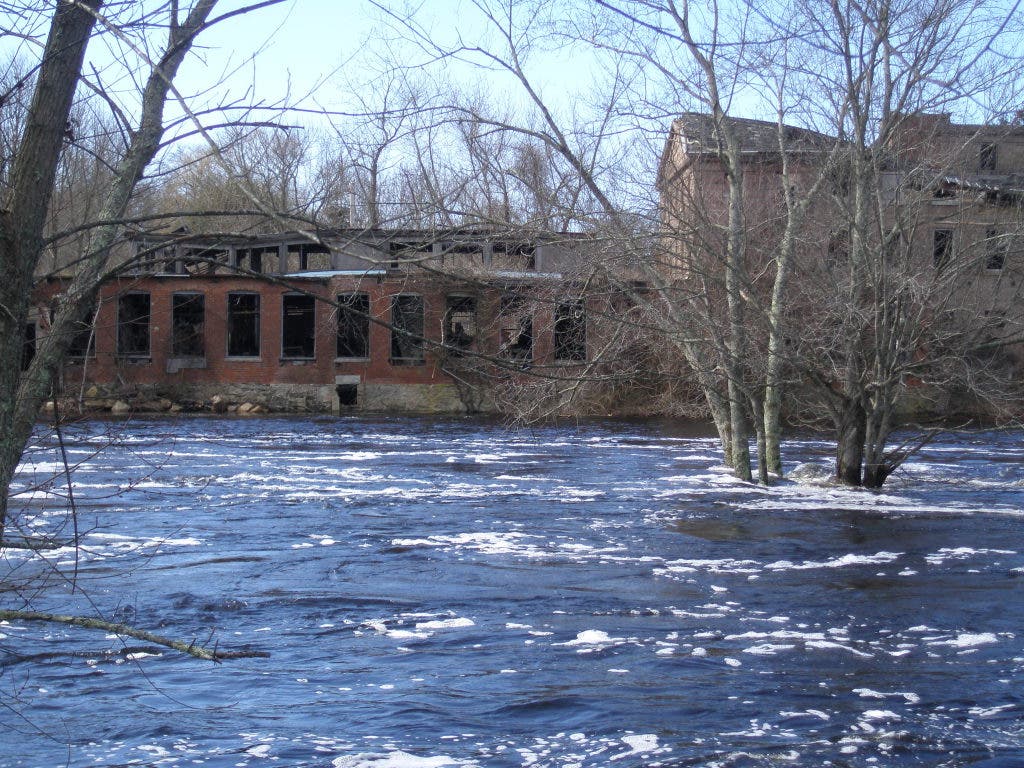
Of the many issues still facing us one year later, the floods certainly underscored the risks of obsolete and deteriorating dams impeding the natural flow of rivers and streams throughout the region. Rhode Island has 671 dams, many of which have outlived their useful life.
Find out what's happening in East Providencefor free with the latest updates from Patch.
Many dams were damaged during last year’s storms, and both municipalities and private dam owners are just now starting to assess the damage and determine if these dams should be repaired or removed. Dams were an important part of our early industrial history, and New England has more small dams than anywhere else in the country. Many dams in Rhode Island are serving an important purpose, such as water supply and recreation, and are properly maintained. But scores of other dams across the state are living on borrowed time. They were built decades (or centuries) ago and most no longer serve their original purpose.
180 of Rhode Island’s dams are classified as high and significant hazard dams, meaning they have the potential to cause damage to life and property if they fail. The Department of Environmental Management stepped up inspections of these dams after the floods, and is working with the owners to make necessary safety upgrades. Towns and cities are working on Emergency Action Plans for high hazard dams to better understand what might be at risk in the event of an emergency.
Find out what's happening in East Providencefor free with the latest updates from Patch.
Failures of several dams in our region during last year’s floods brought these risks into focus. The Blue Pond dam in Hopkinton released 179 million gallons of water that destroyed bridges, flooded roads and properties, and closed Routes 3 and 91 as well as several local roads. The Forge Pond Dam in Freetown, Massachusetts also failed, causing evacuations and the eventual emergency breaching of the dam. This incident cost the State of Massachusetts over $300,000, and local roads are still closed.
Wherever possible, obsolete dams should be removed. By removing them, we eliminate the risk of sudden failure, and we restore the natural flow of rivers. This helps to improve water quality and allows migratory fish like river herring, shad, American eel and sea-run trout to reestablish breeding populations. Eliminating flow restrictions, resizing culverts and protecting stream flow volumes are additional steps that enhance habitat for freshwater fish and migratory species. At the same time river restoration significantly reduces flood related risks to human life and property.
A number of bills are being considered this year in the General Assembly related to dam safety and removal, including H 5582 sponsored by Representatives Ferri and Handy. Save The Bay supports legislation that would require the owners of high and significant hazard dams to complete their own inspections, starting in the year 2014. This requirement ensures that owners understand the condition of their property and the costs of maintaining high hazard dams. H 5582 also requires that inspections be conducted every two, or five, years, depending on the classification of the dam, and strengthens the removal option for dams that are determined to be unsafe.
Many municipalities are considering the removal of obsolete dams, given the cost of repairing and maintaining structures that have reached the end of their useful life. To facilitate dam removals, Save The Bay supports legislation, House bill 5583 (sponsored by Representatives Walsh and Ferri), that allows the RI Clean Water Finance Agency to provide funds for dam removals.
Removing obsolete and hazardous dams is an important step toward restoring our rivers and streams. Two dams in Rhode Island were removed last summer to support fish passage and habitat restoration in the Pawcatuck and Woonasquatucket River basins. Migratory fish are already returning to these beautiful watersheds! Several other dam removal projects are in the planning and design phase.
Dams are part of our regional heritage. Many continue to serve useful purposes. But the time has come to evaluate carefully how many of these dams, aging and hazardous, put human safety at risk, threaten public infrastructure, and impair some of our most valuable natural resources. Let’s apply the lessons learned from last year’s floods. The time is right to promote river restoration for the public good. Support dam safety and removal legislation.
Jonathan Stone is Executive Director of Save The Bay, a non-profit organization dedicated to protecting and restoring Narragansett Bay, its watershed and adjacent coastal waters through its advocacy and restoration programs; promoting environmental stewardship and science education through school-based and public education programs; and defending the public’s right to use and enjoy Narragansett Bay and its surrounding waters.
Get more local news delivered straight to your inbox. Sign up for free Patch newsletters and alerts.