Arts & Entertainment
'Gasland' Strikes a Chord with Local LNG Opponents
NewportFILM presented the Oscar-nominated documentary "Gasland" to the Newport community, along with a panel discussion on the hot topic of an LNG in Narragansett Bay.
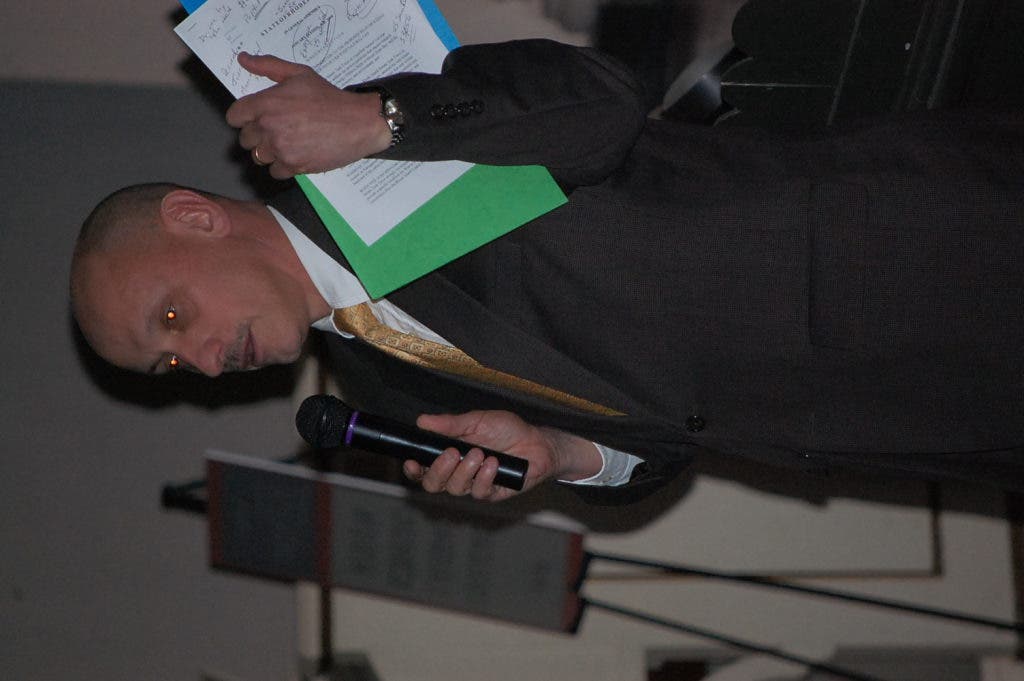



On Wednesday night, NewportFILM brought the Oscar-nominated documentary Theater. In the audience were concerned members of the public, public officials, No LNG supporters, Hess executives, and other activists.
NewportFILM co-founder Andrea van Beuren introduced the film by saying that she saw it last year at the Sundance Film Festival and had wanted to bring it to Newport ever since. The documentary is particularly relevant to Newport and surrounding areas because of theat Weaver Cove in Fall River. Van Beuren said that she was not showing it in an effort to choose sides on the issue.
The film began as a simple project. Director Josh Fox was offered about $100,000 by a local natural gas company near his Pennsylvania home if he would let them drill for natural gas on his land located near the Delaware River. Before making a decision, he researched and found that other local residents who had made agreements with the gas company were having serious problems with water pollutants. Some of the issues that the local people were having included hissing and bubbling of water as it came out of the tap, wells going bad, and pets that were having health problems and losing their hair. Additionally, they were having little success in proving to the corporate lawyers that the issues were a result of the drilling, and many came to settlements with the gas company that they said ultimately did little to help them.
Find out what's happening in Middletownfor free with the latest updates from Patch.
As Fox delved deeper into the issues, his research brought him across the country to Colorado, Wyoming, Texas, and more affected states where thousands of natural gas wells exist. Many more people were encountering issues ranging from being able to light their water on fire as it came out of the tap to developing health issues including asthma and brain lesions.
The film sets out to prove that the practice of hydraulic fracturing, also called “fracking,” is bad for the environment as a result of the hundreds of chemicals that are used in the process and the improper disposal of the waste water as a result. He said he aims to prove that it is only legal because of the exemption of gas drilling in the Safe Drinking Water Act that was pushed through by then Vice President Dick Cheney who had been the CEO of Halliburton, a key player that developed and installed much of the fracking equipment.
Find out what's happening in Middletownfor free with the latest updates from Patch.
Fox gave the audience scientific evidence of many water samples that he collected across the country that contain harmful and volatile organic compounds as well as hazardous chemicals. Fox concluded that the water and natural surroundings of the areas where gas drilling exists are being polluted with the government's knowledge, but has yet to be stopped. The Environmental Protection Agency has admitted to finding toxins but says the water is safe to drink, he said, but one would be hard pressed to find a gas company or government official that would be willing to do so.
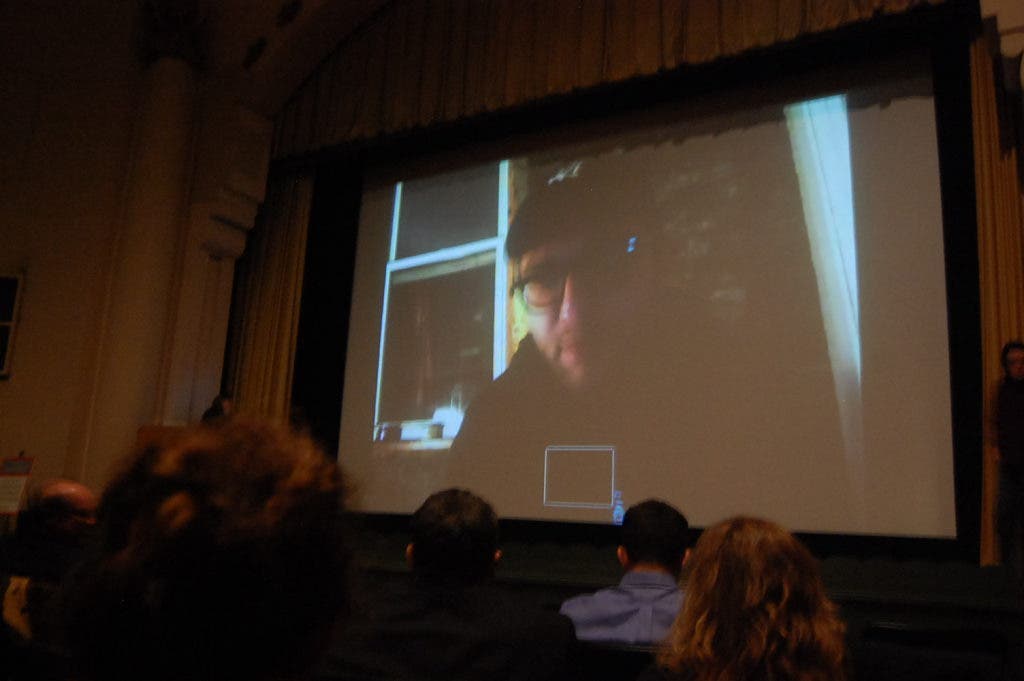
Fox had planned to be in attendance for a question and answer session with the audience after the movie’s screening, but due to illness was not able to attend in person. Instead, he was able to video conference with the audience and answer questions.
While Fox made many important points throughout the session, some of the ones that resonated the most with the audience included his call for more "real" renewable energy sources, such as solar power, not allowing any failure rate to be acceptable in terms of renewable energy, and that people can join together to make a difference. Fox noted there are communities that have banned fracking and said that there is an enormous movement of communities that is becoming more organized and powerful.
“I have met the most exquisite, unbelievable people,” Fox said, while tearing up. “It gave me enormous faith in our country, our faith, and our resolve as a nation.”
Other speakers of the evening included Dick Lynn of the Congress of Councils, a group of councils from area towns that are joining together to fight the proposed LNG facility in Fall River, Rhode Island State Sen. Lou DiPalma, Fall River City Councilman Steve Torres, and Cheney Harrison of Operation Free, a coalition of veterans that's lobbying and traveling the country talking about energy as a national security issue.
DiPalma stressed that there is "no need” for the LNG pipeline. He said that the need was “dollars” that Hess is trying to make. He encouraged anyone who opposes the pipeline to pick up the phone or write a letter to their senator.
Councilman Torres encouraged people to push for the passing of Bill S3056, through which the power of citing these facilities would be transferred back to the states where the people who will be affected are allowed to make the decision rather than the people in Washington, D.C.
There was no easy answer provided on Wednesday night as to what the best energy solution is in terms of what will have the least impact on the planet and the people on it, but what Fox does with Gasland is encourage people to learn more about where their energy comes from and understand the implications it may have before making the decision.