Health & Fitness
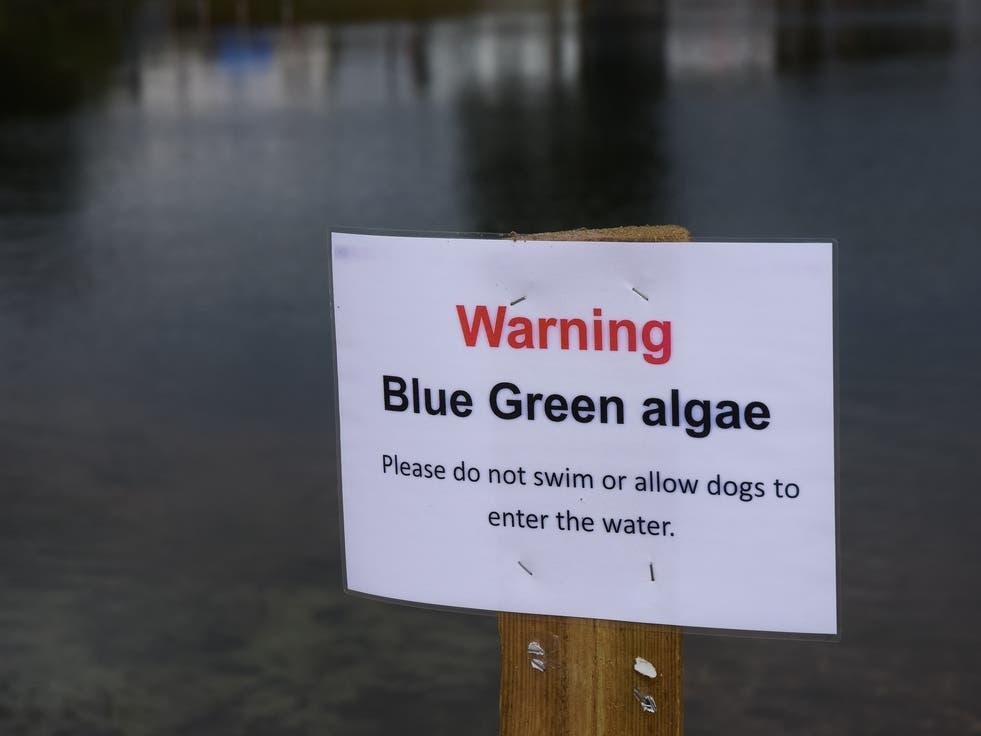
Blue Green Algae Back In Melville Pond: State Health Department
The state health department is advising people to avoid contact with the pond, due to the algae bloom.


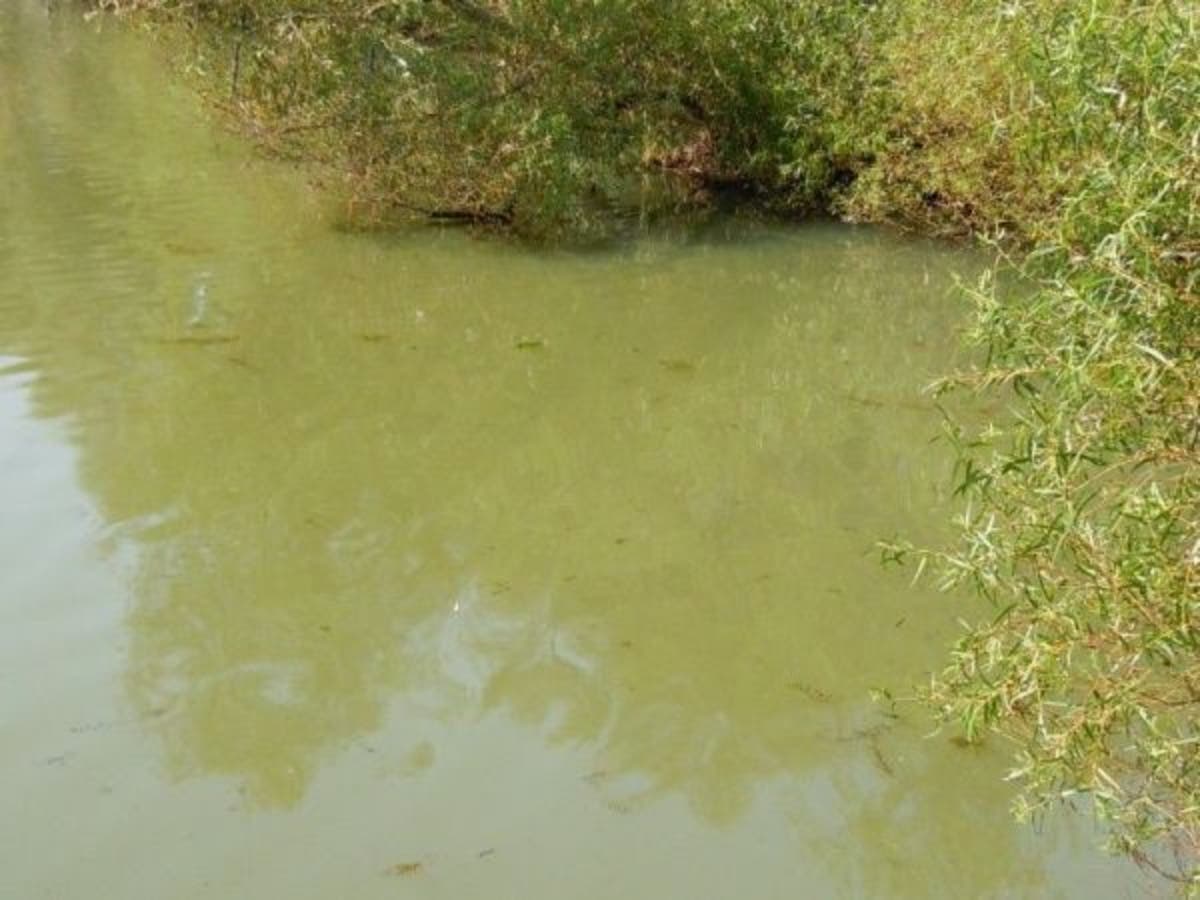
PORTSMOUTH, RI — Blue green algae blooms are back in Melville Pond, according to the state health department and Department of Environmental management. The blooms can resemble paint or green cottage cheese or even thick pea soup.
The public is reminded to avoid contact with any body of water in Rhode Island that is bright green or has a dense, floating algal mat on the water's surface.
This means people should also be careful not to ingest water or eat fish from the pond. All recreation, including fishing, boating, and kayaking, should be avoided. Pets can also be affected by exposure to the algal toxins, so owners should not allow pets to drink or swim in the water. The advisory will remain in effect until further notice. Toxins may persist in the water after a blue-green algae bloom is no longer visible.
Find out what's happening in Portsmouthfor free with the latest updates from Patch.
Steps for People Sickened by the Algae
Although blooms are most common in the summer and fall, they can take place at any time of the year.People who experience the symptoms associated with cyanobacteria exposure and who have been swimming or fishing in water, or drinking untreated water from a source with a confirmed or suspected cyanobacteria bloom, should contact their healthcare providers.
Find out what's happening in Portsmouthfor free with the latest updates from Patch.
Contact with water containing cyanobacteria can cause irritation of the skin, nose, eyes, and/or throat. Ingestion of water containing cyanobacterial toxins can cause stomach ache, diarrhea, vomiting, and nausea.
People who come into contact with potentially affected waters should rinse their skin and wash their clothes with clean water as soon as possible.
Steps for Pets Sickened by the Algae
People observing pets exhibiting adverse health symptoms after contact with potentially affected waters should contact their veterinarians. Pets who have come in contact with potentially affected waters should not be allowed to lick water off their fur and should be rinsed with clean water as soon as possible.
How to Report Algae Blooms
To report suspected blue-green algae blooms, contact DEM’s Office of Water Resources at 222-4700.
Get more local news delivered straight to your inbox. Sign up for free Patch newsletters and alerts.