Tiverton-Little Compton|Local Event
Join the Pollinator Pathway!

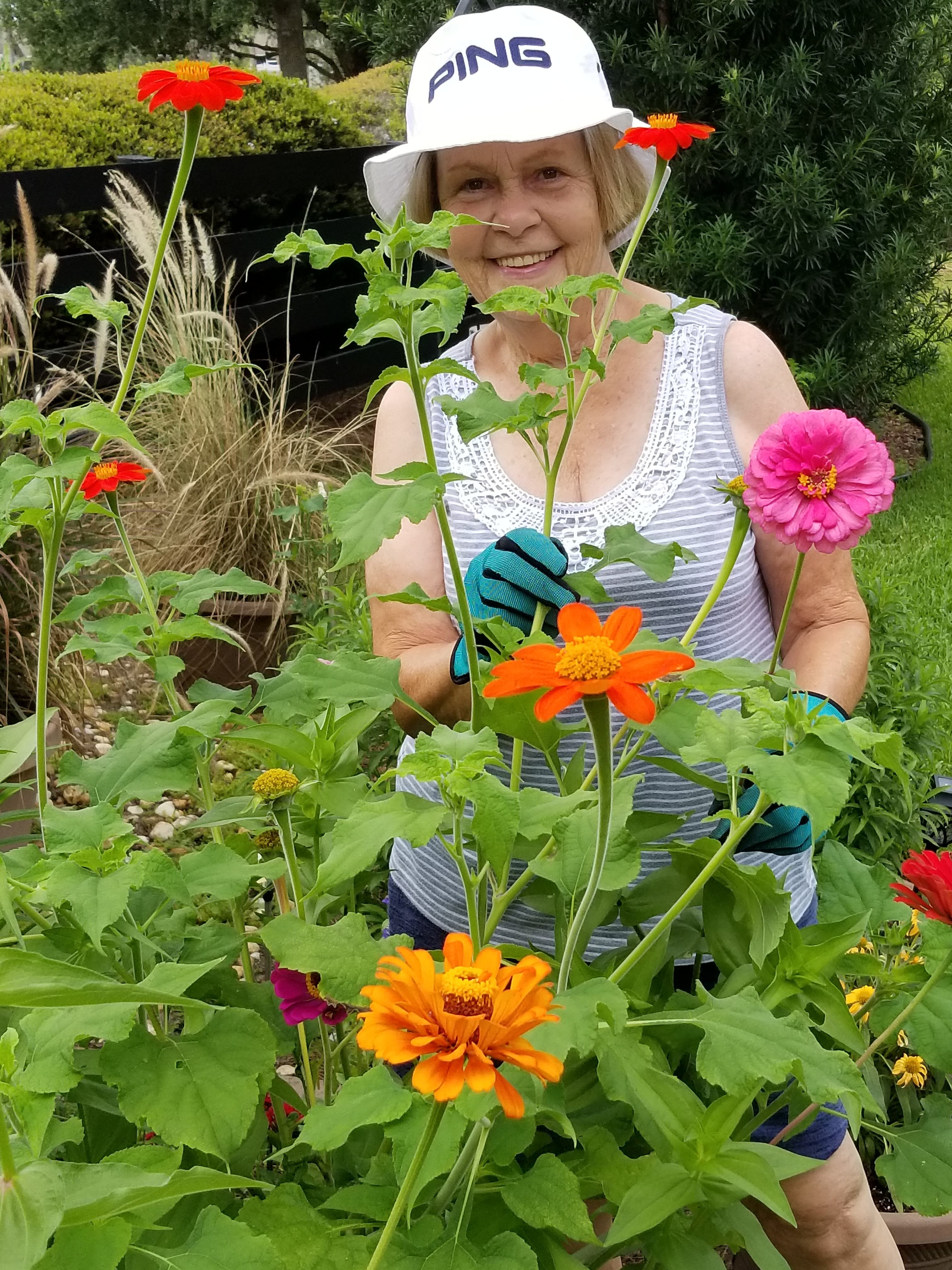
The Pollinator Pathway program aims to create habitats for pollinators by establishing a network of gardens with native plants, promoting biodiversity, and reducing pesticide use. Even the smallest green spaces, like flower boxes and curb strips, can be part of a pathway. Join us to learn how to rethink your outdoor space and create a way-station for pollinators!
About the presenter: Amy Ottilige's interest in pollinators started with Monarch butterflies in Florida in 2006. She noticed a monarch butterfly fluttering outside her window. Continued observation changed her life; she came to appreciate the bugs’ life in the garden. Self-education and awareness of the value and threats to pollinators followed. Amy embraced the importance of native plants and the pollinators they support. Raising Monarchs was the natural next step, and before leaving Florida 1,500 of the nectar-feeding insects completed their metamorphosis in her yard. Since returning to Rhode Island in 2020, Amy has been appointed to the Warwick Wildlife and Conservation Commission, earned her Pollination Stewardship through the Pollinator Partnership, and has been named as an ambassador for the Pollinator Pathway organization. In addition to an active group in Warwick, Amy has assisted East Greenwich, North Kingstown and Little Compton to develop their own Pollinator Pathway efforts. She has also started small group get-togethers called “Sit n’ Talk”, informal discussions about improving habitat for pollinators. She continues to educate herself about pollinators and their needs. She is a member of the Monarch Watch program, and she has written and distributed a number of pamphlets, including “Pollinators & How We Can Help,” “What is Pollination?,” and “Your Pollinator Garden” to educate the public about the importance of pollinators.