Schools
Woonsocket, Pawtucket Prepare To Move Forward With Education Funding Lawsuit
Members from two education departments gather to plan for a legal challenge of the state's Fair Funding Formula.

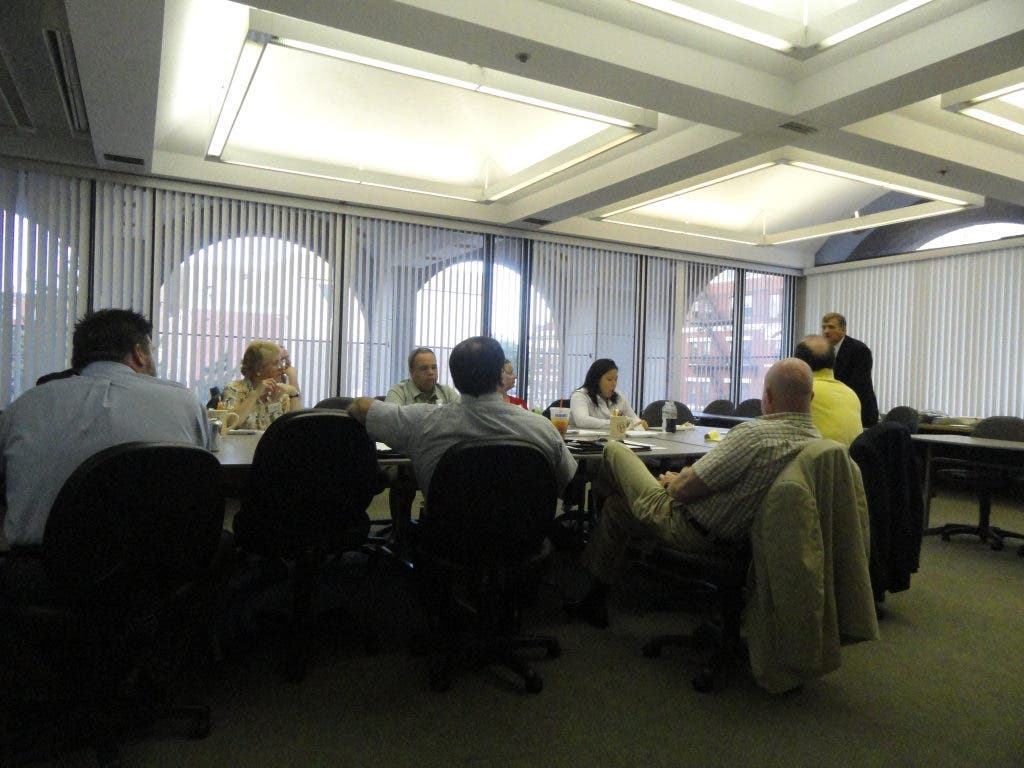
The Woonsocket Education Department believes that Rhode Island's new formula for funding education does not go far enough to meet the challenges of the state's urban communities and is joined by Pawtucket in to address the system.
Members from both school committees met Monday evening in Pawtucket's School Administration building to discuss the strategy and timing of a Superior Court lawsuit that lists Pawtucket and Woonsocket as joint plaintiffs.
Woonsocket's City Council President John Ward attended a portion of the meeting, lending his support and sharing his knowledge of the funding issue.
Find out what's happening in Woonsocketfor free with the latest updates from Patch.
"I've always supported this action," Ward said. "I don't think the formula was anywhere near fair. It has flaws that can be and need to be corrected."
Woonsocket is slated to receive an additional $8 million as result of the , approved just last year. Disbursements, however, are expected to arrive at a rate of only $1 million a year and this, in part, is the basis for the lawsuit.
Find out what's happening in Woonsocketfor free with the latest updates from Patch.
If the state has determined the cities need this money through a formula designed to create equal treatment, the plaintiffs contend, they should be providing it immediately. Not doing so, they claim, is a violation of a clause in the state's constitution providing freedom from undue hardship.
The lawsuit also contends that the formula is inherently flawed because it does not address the needs of English language learners- an additional expense that urban cities like Woonsocket and Pawtucket are forced to contend with on their own.
"They're squeezing the urban communities to the benefit of the wealthier suburban districts," said Ward.
One member of Pawtucket's committee asked Ward how he would answer to the claim that the municipalities only require the money because they have not funded education properly in the past.
"I don't buy it," Ward replied. "If I were to try to ascribe a motive to the trick called quadratic equations that they've applied to our numbers, it's about getting votes."
Ward added that Pawtucket and Woonsocket have done more than their share of local education funding, while also meeting other challenges specific to their communities such as low income housing.
"The state needs to recognize that these are the burdens we carry and help us to have the resources to support them," he said.
This is not the first time Woonsocket has challenged the state on education funding. A 1993 lawsuit against then Governor Bruce Sundlun's proposal for cutting education funding won in Superior Court when a judge argued that it gave students in wealthy districts an unfair edge over children attending schools in poorer communities. Students, parents, and taxpayers, and representatives of Pawtucket, West Warwick, and Woonsocket who were plaintiffs ultimately lost the case in an appeal in Rhode Island's Supreme Court.
A 2010 document drafted by the state's House Fiscal Advisory staff to explain descisions regarding education aid points out, "The court found that the Rhode Island Constitution does not guarantee an 'equal, adequate and meaningful education.' The court ruled that the General Assembly’s role is to support and promote, not establish a system of public education."
Ward offered, however, that the City of Pawtucket v. Sundlun was decided on a section of the state constitution regarding General Assembly rights which has since been eliminated.
Districts facing similar financial obstacles in poorer communities across the nation have levied successful lawsuits against public education financing in 18 states.
Get more local news delivered straight to your inbox. Sign up for free Patch newsletters and alerts.