Health & Fitness
Patched Up!: Robots Killing Cancer? It’s Happening Right Here
Domo arigoto, Mr. Roboto.

By Jorge Lagares-Garcia, MD, FACS, FASCRS
Charleston Colorectal Surgery
About 50,000 people are expected to die of colon cancer in the U.S. this year.
It's a shocking statistic, but right here in the Lowcountry we are now able to save more and more of those who are battling the disease.
How are we doing it? Our progress is thanks to the da Vinci Surgical System, a robot-assisted, minimally invasive tool that enables surgeons to perform delicate and complex operations via tiny incisions with breakthrough vision, precision, dexterity and control.
Find out what's happening in Goose Creekfor free with the latest updates from Patch.
(I was fortunate to be the first surgeon to perform this procedure in South Carolina a few years ago at Roper Hospital, a facility that integrates robotic technology in colorectal surgery.)
It is important for patients considering this surgery to know that robotic-assisted surgery provides surgeons with a higher level of visualization, which translates into greater accuracy.
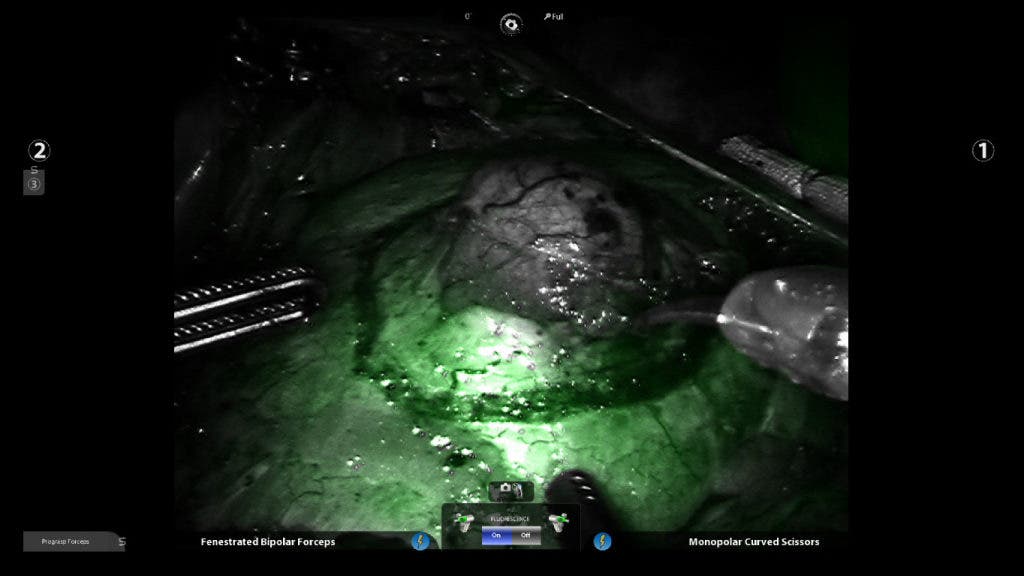
The process now involves the injection of a fluorescent dye that helps surgeons identify healthy, viable tissue. Studies have shown that the use of this imaging technology potentially lowers the risk of leaks in reconstructed tissue, which helps prevent the need for multiple surgeries and saves millions of dollars in healthcare costs.
Find out what's happening in Goose Creekfor free with the latest updates from Patch.
Roper Hospital was one of the first in the U.S. to help make colon cancer surgery less invasive by utilizing a da Vinci robot outfitted with Firefly fluorescence imaging. My team and I performed the first Firefly surgery in South Carolina in early 2012 and we recently participated in an international study using Firefly.
Last year, Roper Hospital earned the distinction of being named a da Vinci Surgical System Colorectal Epicenter and now surgeons from across the country are coming to Charleston to learn.
Thanks to the da Vincic Surgical System and Firefly fluorescence, our patients are experiencing the benefits of less blood loss, a quicker return to normal activities, bowel functions and diets, less pain and scarring and shorter hospital stays.
That is great news, no doubt. However, it is important to remember that prevention is the key to a healthy life. As we observe National Colorectal Cancer Awareness Month in March, adults aged 50 and older should remember to meet with their doctors and develop a screening plan based on family and personal medical history, lifestyle and other risk factors. Colorectal cancer can be prevented, but know that if it strikes, there are new options for greater surgical success.
Dr. Lagares-Garcia is board certified by the American Board of Surgery and the American Board of Colon and Rectal Surgery. He received his doctorate from the University of Barcelona and did his postgraduate training at Conemaugh Memorial Medical Center/Temple University. He completed a Colorectal Surgery Fellowship at the Cleveland Clinic.
To schedule an appointment with Dr. Lagares-Garcia call Charleston Colorectal Surgery at (843) 958-1281.
Have questions, comments or ideas for Patched Up!? Contact us here.