Politics & Government
Drought Continues to Heat Up Lowcountry
Hot and dry conditions not broken by last week's storms.

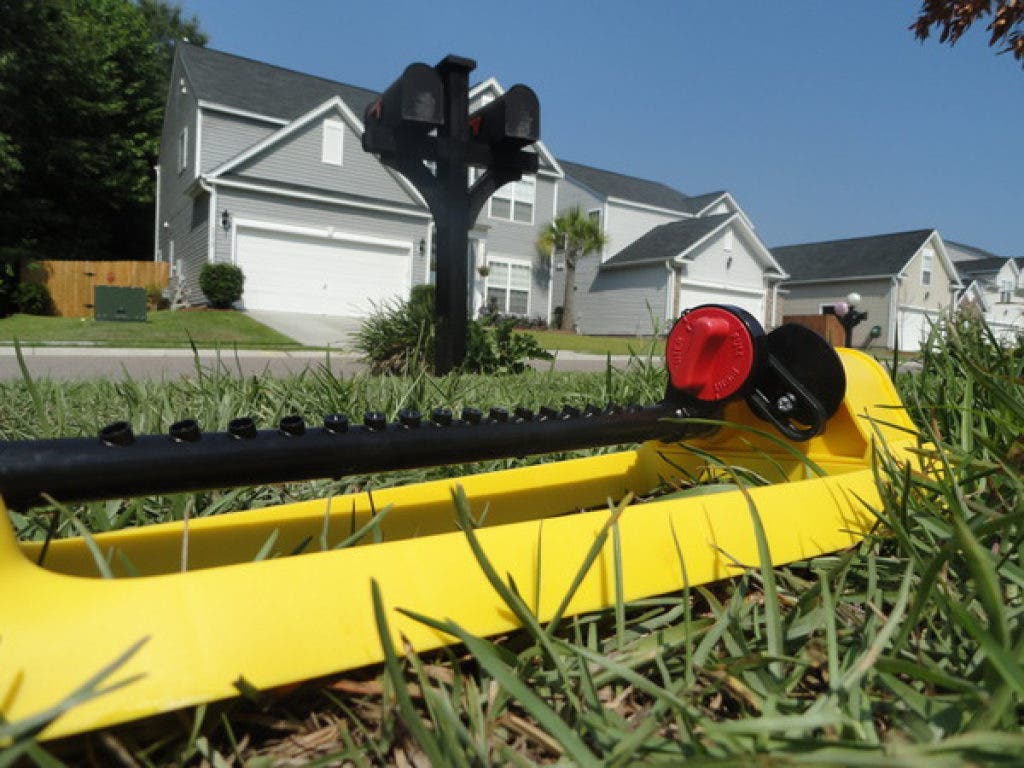
The South Carolina Drought Response Committee have recently upgraded Berkeley County to moderate drought status and last week's storms did little to quench the parched region.
The committee pegged 26 counties in the moderate drought status June 17. The Charleston region has seen about 24 percent of normal rain fall amounts, or just 1.63 inches from May 1 to June 16.
"The decision to upgrade was primarily driven by the dry weather impact on agriculture and increased wildlife activity. Rainfall amounts and coverage have been well below normal since May 1 for the areas upgraded combined with above normal temperature," S.C. State Climatologist Hope Mizzell said.
Find out what's happening in Goose Creekfor free with the latest updates from Patch.
According to Wes Tyler with the State Climatology Office, the three consecutive days June 19-21 featured temperatures of 100 degrees or higher in the Charleston region has not happened since July 1999. Nearby Barnwell reported a seven-day open pan evaporation water loss of 2.52 inches to offset much of the scattered distribution of this past week’s welcomed rainfall, Tyler said Monday.
From Jan. 1 through this past Sunday night, the Charleston area's present rainfall total was 13.32 inches — 9.4 inches below the longterm average. Daily afternoon temperatures for June have averaged nearly seven degrees above the longterm average, Tyler said.
Find out what's happening in Goose Creekfor free with the latest updates from Patch.
For areas maintained at the incipient level rainfall totals have been closer to normal. A few locations have even received much above normal rainfall since May 1, but they are isolated (such as Ft. Mill 13.73 inches or 248 percent of normal), according to Mizzell.
The moderate drought declaration is followed by increasing levels of severity to severe and extreme status, each would come with water use restrictions.
While many homeowners tend to think of watering the lawn right about now, a prolonged drought could have other economic effects, not just on your water bill.
"Agriculture in virtually every area of South Carolina is in need of rainfall. The lack of rain, coupled with high temperatures, is impacting crop production. Also being affected are pastures and hay production. Adequate rainfall is essential to agricultural production. Irrigation systems supplement natural rainfall, but do not make up for severe deficits. The next few weeks are critical to farmers and we are hopeful that rainfall will be adequate," said David Tompkins with the S.C. Department of Agriculture.
The heat and drought also increase the risk of wildfires for the state.
"We already hit our five year average in the first two weeks for the month of June as far as wildfires. It's also been very hot and that has taken a toll on our firefighters, causing a lot of fatigue and raising safety concerns. A lot of the fires are requiring we keep personnel on scene for an extended period because it's burning in the ground and threatens to escape, so it is taking a lot of effort to fully mop them up. We're also getting reports of survival problems with seedlings planted this past winter and we would expect that to increase if the dry conditions continue," Darryl Jones with the S.C. Forestry Commission said.
The good news is that most water systems are reporting adequate storage at this time according to S.C. Department of Health and Environmental Control.
The purpose of the moderate declaration is to increase awareness that drought conditions are intensifying. Water systems are asked to review their Drought Response Plans and Ordinances and implement as needed.
The committee will reconvene in a month or sooner if needed to reevaluate the drought conditions across the state.
Get more local news delivered straight to your inbox. Sign up for free Patch newsletters and alerts.