Neighbor News
Fall Shedding or Seasonal Allergies? What Summerville Pet Owners Should Watch For
Veterinarians at My Pet's Vet Group are encouraging pet owners to pay attention to changes in their pets' skin and coat
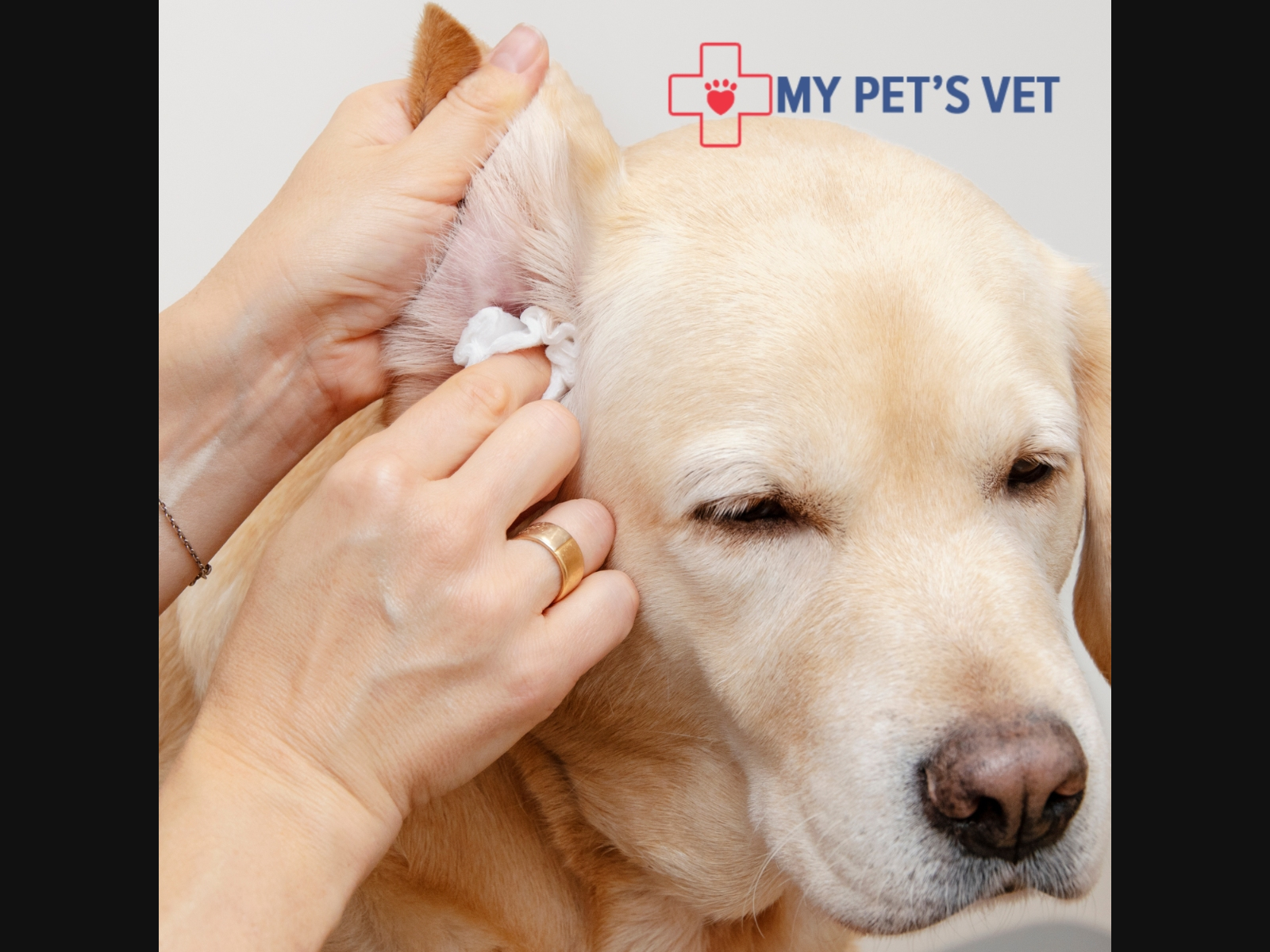
As summer shifts into fall, veterinarians at My Pet's Vet Group, serving Summerville and surrounding communities, are encouraging pet owners to pay attention to changes in their pets' skin and coats. Pollen, grass, mold, flea bites and changing outdoor conditions can all contribute to irritated skin, while seasonal shedding can make it difficult to recognize when something more serious is happening.
Many dogs and cats naturally shed more as daylight and temperatures change. However, frequent scratching, paw licking, irritated skin and recurring ear problems should not automatically be dismissed as normal seasonal changes. These symptoms could signal an allergy or another condition that needs veterinary attention.
What Normal Fall Shedding Looks Like
Seasonal shedding typically produces loose fur throughout a pet's coat without causing significant discomfort. The skin underneath should look healthy, and pets should not be constantly scratching, chewing or licking themselves.
Find out what's happening in Summervillefor free with the latest updates from Patch.
Regular brushing can help remove loose fur, prevent matting and give pet owners an opportunity to check for skin changes.
Signs It Could Be More Than Shedding
Watch for symptoms such as:
Find out what's happening in Summervillefor free with the latest updates from Patch.
·Persistent scratching, chewing or licking
·Red, irritated or flaky skin
·Bald patches or thinning fur
·Recurring ear odor, redness or discharge
·Head shaking
·Sores, scabs or moist hot spots
Environmental allergies can affect both dogs and cats. Potential triggers include pollen, grass, mold, dust and flea bites. Symptoms may be seasonal or continue throughout the year.
Pay Special Attention to Paws and Ears
Paws and ears are common trouble spots for pets with allergies. Check between the toes for redness, swelling or excessive moisture. Repeated ear infections, odor or head shaking can also be connected to an underlying allergy.
Wiping a pet's paws and coat after outdoor activity may help remove pollen and other environmental material. Use products made specifically for pets and avoid over-bathing, which can dry or irritate the skin.
Continue Parasite Prevention
Fleas and ticks do not necessarily disappear when summer ends. A single flea bite can cause an intense reaction in a pet with flea allergy dermatitis. Pet owners should continue the parasite prevention schedule recommended by their veterinarian rather than stopping treatment when temperatures begin to change.
Do Not Give Human Allergy Medication Without Veterinary Guidance
Some human antihistamines may be used for pets under veterinary supervision, but dosages differ and certain combination products can be dangerous. Always speak with a veterinarian before giving a pet any medication.
When to Schedule an Appointment
Occasional scratching is normal. Persistent itching, skin damage, hair loss, ear problems or changes in behavior warrant a veterinary evaluation. Several skin conditions can produce similar symptoms, so identifying the underlying cause is important. Early treatment can help relieve discomfort and prevent secondary infections.
Pet owners throughout Summerville and nearby communities can contact their nearest My Pet's Vet location for help evaluating persistent itching, hair loss, paw licking or ear problems. mypetsvetgroup.com/.