Schools
State Rep: Reform Slow for Education
S.C. Rep. Jenny Horne talks state funding of education in North Charleston.

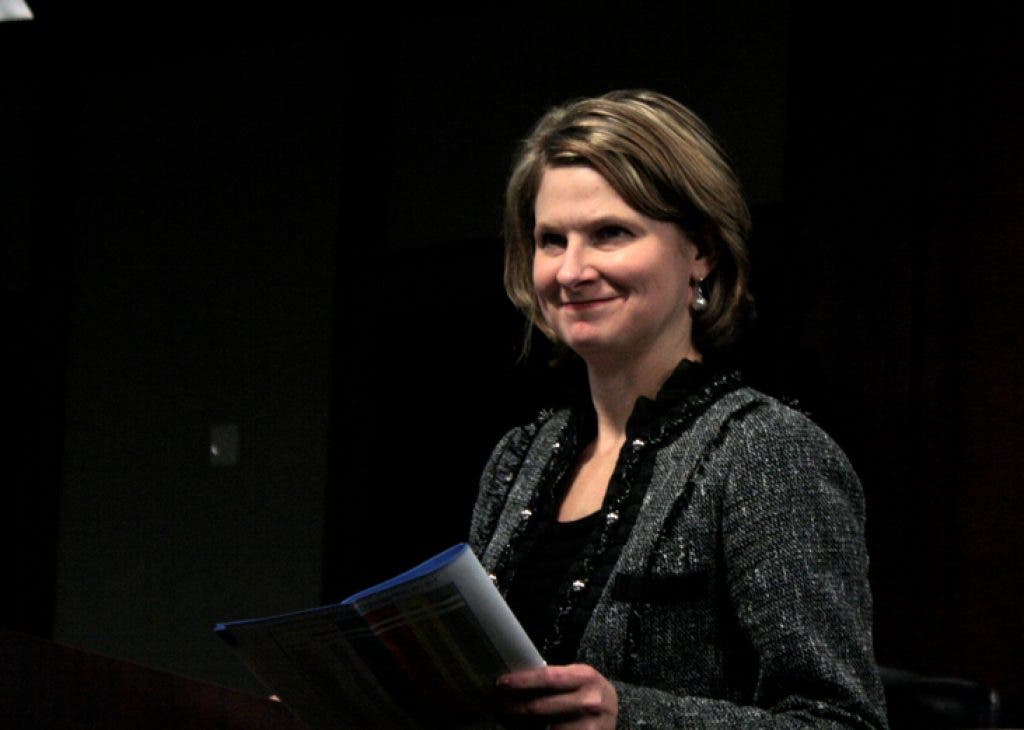
NORTH CHARLESTON — Education needs to be fixed, but don't expect that to happen during an election year, S.C. Rep. Jenny Horne, R-Summerville, told a small Charleston Tea Party audience on Wednesday.
"Do we want to tackle education funding in an election year? Because we're going to have winners and losers," Horne said. "Some of my colleagues have said, 'I'm not touching it in an election year.' Well it's an idea who's time has come. It's a 30-year-old problem that we need to fix."
Horne spoke to the group as part of its effort to educate members on the inner workings of government. Horne was first elected in 2008 to represent District 94, and will face her second reelection campaign in 2012. She sits on the judiciary committee, and also serves on the tax committee on the S.C. House Republican Caucus.
Find out what's happening in Summervillefor free with the latest updates from Patch.
At North Charleston City Hall, Horne made her case for reform in the way the state funds education — including referencing a bill, which has passed the House but has stalled in the Senate. The bill would allow "money to follow the student," which means state dollars would be doled out on a per pupil basis with weight given to gifted or impoverished students, Horne said.
Find out what's happening in Summervillefor free with the latest updates from Patch.
Under the current education funding system, which Horne described as "inequitable" and "one of the most convoluted formulas in state government," poorer districts receive more state dollars than wealthier districts, to make up for local funding dollars.
"Dorchester County is about as good an illustration of the inequity in funding across the state," Horne said, stating that Dorchester County School District 2 has nearly half the funding of Dorchester County School District 4, in the upper and more rural part of the county.
According to Horne, Beaufort County School District gets no state money since all local dollars can fund the system. Some poorer counties get up to 90 percent of its funding from the state, she said.
Proposals facing legislators this year include the bill in the senate that would have the dollars follow the child, crossing district lines for students without having extra costs, and mandating local funds through a statewide millage rate, Horne said.
To those just wishing they could cut state funding to education all together, Horne said she's witnessed many criminals in the state say they never continued beyond a ninth grade education.
"If you think education is expensive, try ignorance," Horne said.
The S.C. General Assembly convenes Jan. 10. One of the first items of business will likely be the House considering .
In other education news, State Superintendent of Education Mick Zais will be .
Get more local news delivered straight to your inbox. Sign up for free Patch newsletters and alerts.