Politics & Government
Pilot Flying J Fraud Case: Gov. Bill Haslam Not A Witness
Pilot Flying J was founded by Bill Haslam's father and is run by Jimmy Haslam, the Cleveland Browns owner and governor's brother.

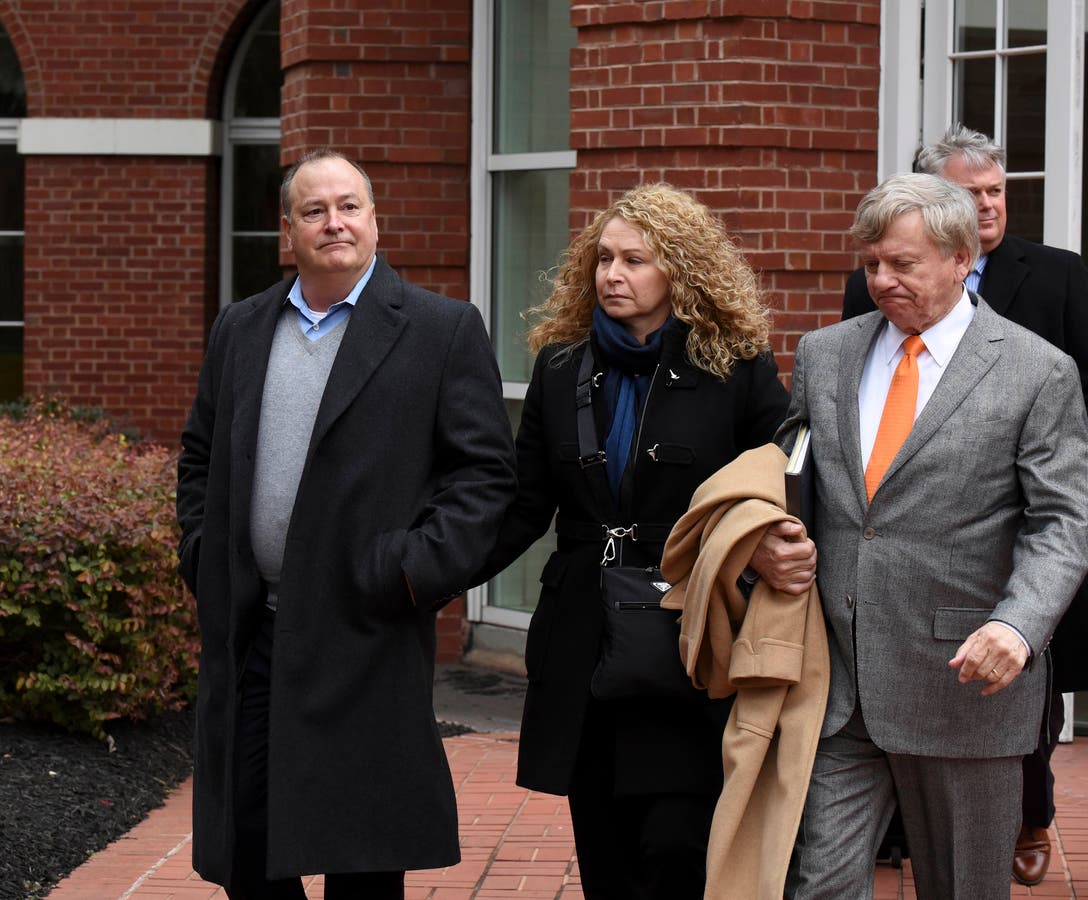
NASHVILLE, TN — The federal fraud trial of former executives and sales representatives at the truck stop chain entered its third day Wednesday, and Tennessee Gov. Bill Haslam is not on the list of potential witnesses, he said. Pilot Flying J was founded by Bill Haslam's father, Jim Haslam, and is run by Jimmy Haslam, the Cleveland Browns owner and governor's brother.
None of the Haslams were charged in the investigation, but more than a dozen former members of the Pilot sales team pleaded guilty. There's an ongoing trial of four former Pilot employees, including its onetime president.
Bill Haslam has not held an active role at Pilot since he was elected Knoxville mayor in 2003. He said he was not aware whether Jimmy Haslam will testify.
Find out what's happening in Across Tennesseefor free with the latest updates from Patch.
"I don't know," Haslam said. "I'm not involved at all."
Fourteen former members of the Pilot sales team have pleaded guilty charges related to ripping off trucking company customers they deemed too unsophisticated to realize they weren't receiving the rebates they had negotiated.
Find out what's happening in Across Tennesseefor free with the latest updates from Patch.
The details of the investigation into Pilot first came to light after an April 2013 raid of the company's headquarters in Knoxville. A 120-page FBI affidavit produced in support of the search warrant included transcripts of undercover recordings of Pilot workers discussing the scheme, often in crass terms.
Pilot ultimately agreed to an $85 million settlement with most of the defrauded customers as well as a $92 million penalty to the government.
Those facing trial in Chattanooga are former Pilot President Mark Hazelwood, former vice president Scott "Scooter" Wombold and two former saleswomen, Heather Jones and Karen Mann. Their lawyers said in opening statements that they should not be found guilty by association and that they didn't knowingly commit illegal acts.
But prosecutors allege that that the two executives were at meetings and copied on correspondence about the scheme and that the more junior sales representatives served as "lookouts" and a first line of defense if trucking customers became suspicious about not receiving their rebates they expected.
The government's first witness was Janet Welch, a former Pilot employee who pleaded guilty early in the investigation. Welch testified that she worked in the Knoxville headquarters with defendants Mann and Jones, and that together their colleagues they were known as "the girls," who supported "the sales guys" who operated around the country.
Welch said it was her role to do the paperwork on the deals struck with trucking company customers, and detailed how two sets of books were kept at Pilot: one with the prices that the customers thought they were getting, and another with the higher prices they were actually being charged.
Welch explained that there were two major types of arrangements with the trucking companies made to entice them into buying their fuel at Pilot. One was calculated in terms of "cost plus," or the wholesale price of diesel plus an agreed-upon number of cents per gallon. The other was "retail minus," or a certain number of cents discounted off the posted prices at truck stops.
Assistant U.S. Attorney Trey Hamilton on Tuesday guided Welch through a series of internal documents that she said showed how she was instructed to change the rebates that trucking customers thought they were getting in the internal billing system. The point, she said, was "to make the customer think they were getting a price lower than they really were."
By ERIK SCHELZIG, Associated Press
Associated Press writer Jonathan Mattise contributed to this report.