Crime & Safety
Kids Locked In Hot Car To Teach Lesson, Mom Sentenced In Deaths
The Texas mother who locked her kids in a hot car, then went inside and smoked pot and napped for hours, gets 20 years in their deaths.


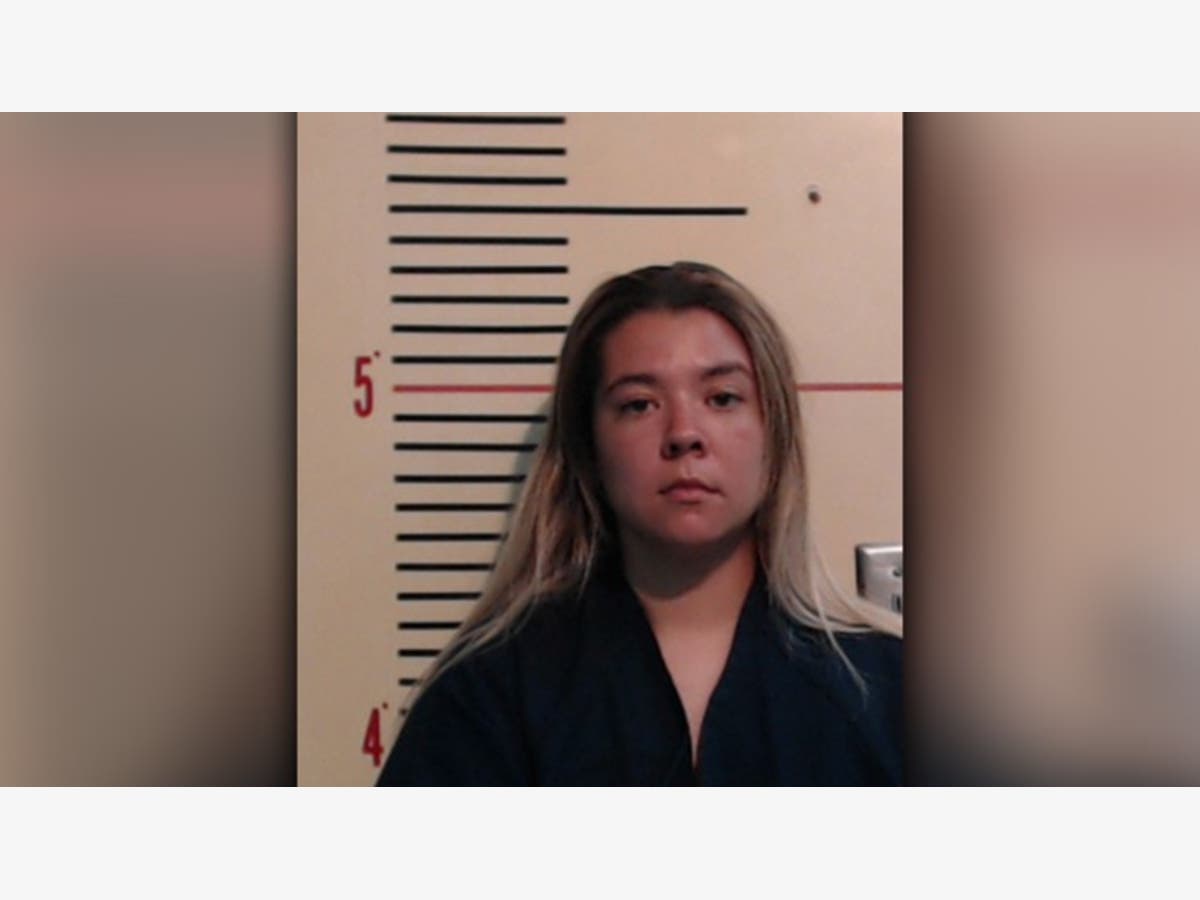
WEATHERFORD, TX — A Texas woman who locked her small children in a hot car last year to “teach them a lesson” and then fell asleep after smoking pot is going to prison for 20 years. A jury on Monday convicted Cynthia Marie Randolph, 25, of two felonies in the May 2017 deaths of 16-month-old Cavanaugh Ramirez and 2-year-old Juliet Ramirez.
Randolph initially told investigators her toddlers “took off” and she searched the area around her Weatherford home in north Texas, only to find they had locked themselves in a 4-door vehicle on the property. She told investigators she broke the car window to make it look like an accident, according to media reports.
But as Randolph's story unraveled, she admitted she had locked her kids in the car as punishment because her daughter often got out of the car without permission. She then went inside, smoked marijuana and took a two to three-hour nap, investigators said.
Find out what's happening in Across Texasfor free with the latest updates from Patch.
The Ramirez children are among 120 in Texas and 837 nationwide who died in hot cars from 1990-2017. Texas leads the country in hot-car deaths of kids under 14, a preventable tragedy for the average of 37 children a year who die of vehicular heat stroke, according to national statistics.
The problem of vehicular heat stroke in kids is so acute that, excluding collisions, it’s the leading cause of in-vehicle death for children 14 and younger.
Find out what's happening in Across Texasfor free with the latest updates from Patch.
Though Randolph was convicted in her kids’ deaths, children die in tragic accidents in most cases, according to the National Highway Traffic Safety Administration.
“The fact is that heatstroke tragedies happen to loving, caring, attentive parents,” the agency said in a news release. “The vast majority of these tragedies happen when a child is mistakenly left behind in a vehicle or when an unattended child gains access to a vehicle.”
It was 96 degrees on May 27, 2017, the day the Ramirez kids died. Temperatures inside cars can reach dangerous levels for children and pets within minutes. One test showed that when the temperature outside is a relatively chilly 60 degrees, the temperature inside can reach more than 105 degrees within an hour.
Children and, especially, babies, are especially vulnerable when left inside hot cars. Their bodies dehydrate quickly, and they can’t regulate their body temperature. Their bodies heat up three to five times faster than adults’, according to the American Academy of Pediatrics.
Jurors convicted Randolph after hearing her changing story in 13 hours of video recordings of her interviews with a Texas Ranger. She was found guilty of two second-degree felony counts of recklessly causing injury to a child. Initially, she had been charged with first-degree felony counts of knowingly causing serious injury to a child, which could have led to life sentences.
“The deaths of these children and the culpability of their mother in causing that dictated that she be sentenced to prison,” Parker County Assistant District Attorney Abby Placke said in a statement. “Their lives were taken from them before they even had a chance to start.”
So far this year, at least two kids have died in hot-car deaths in the United States. A baby boy died in Miami after his father forgot him in February. In April, a South Carolina 10-month-old died after his father forgot to drop him off at a childcare center.
In many cases, a parent completely lose awareness that the child is in the car,” David Diamond, professor of psychology, molecular pharmacology and physiology at the University of South Florida told ABC News in 2016.
“It’s our brain habit system. It allows you do do things without thinking about it. That plan we have to stop a habit seems to get suppressed. We lose awareness of our plan to interrupt that habit,” Diamond said. “These different brain systems actually compete against each other.”
The problem is particularly acute among parents experiencing sleep deprivation or stress, Diamond said.
A routine drive from home to work, instead of home to the daycare center, can cause a driver “to sort of go into autopilot mode,” Diamond said.
In some cases, though, “I forgot” is just a ruse. In 2016, Justin Ross Harris of Marietta, Georgia, was convicted of murder in the death his 22-month-old son, Cooper, who was left in a hot car for seven hours in 2014 while Harris went to work. According to testimony at his trial, Harris’ web searches revealed that he longed for a “child-free lifestyle.”
The NHTSA offers some tips for parents:
- Look before you lock: Get into the routine of always checking the back seats of your vehicle before you lock it and walk away.
- Leave yourself a gentle reminder: Get in the habit of keeping a stuffed toy or other momento in your child’s car seat, then move it to the front seat as a visual reminder when the baby is in the back seat. Or, place your phone, briefcase or purse in the back seat when traveling with your child.
- Get in the practice of routine checks: If someone else is driving your child, or your daily routine has been altered, make a call to make sure the child arrived safely at the destination.
- Keep your keys out of children’s reach: Nearly three in 10 heatstroke deaths happen when an unattended child gains access to a vehicle, the agency has said.
Photo of Cynthia Marie Randolph via Parker County Jail
Get more local news delivered straight to your inbox. Sign up for free Patch newsletters and alerts.