Community Corner
Texas becomes the second-most robocall-targeted state
Data shows that robocalls drained about $65 billion in 2022.
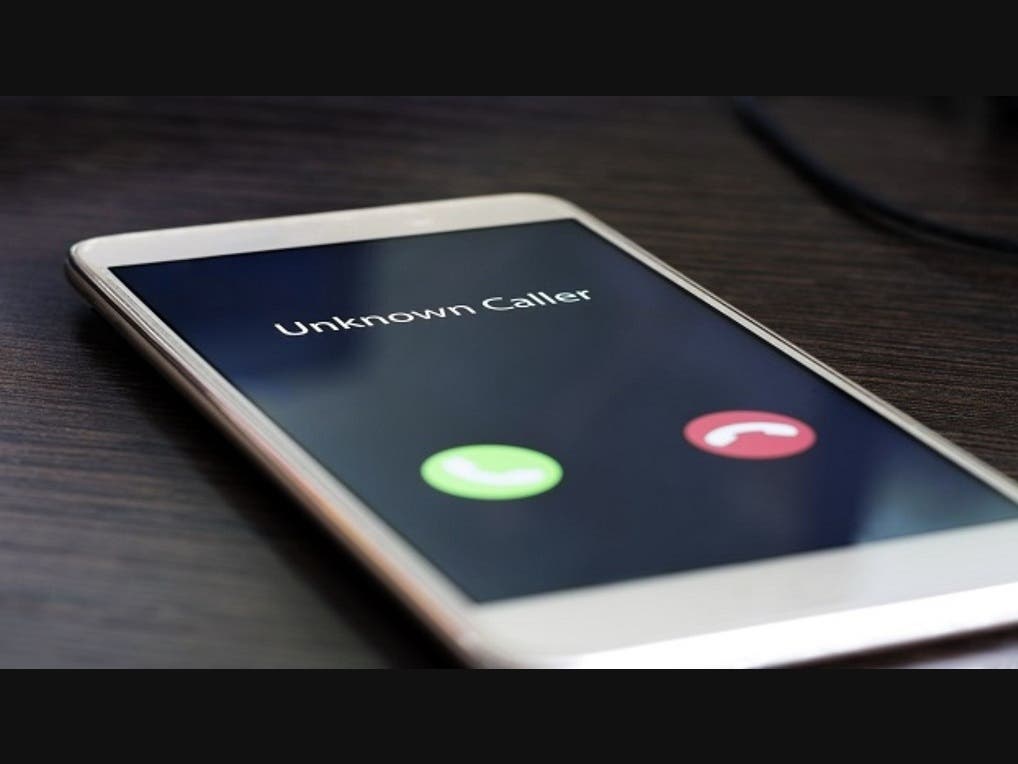
Dallas, Texas - Texas has recently been recognized as the second most frequently robocalled state in the U.S. Over the past month, the Dallas-Fort Worth area received over 30 million robocalls, with close to 800 million calls recorded across the state, highlighting the severity of this technological issue.
These robocalls have evolved beyond mere nuisances. Malicious actors, equipped with sophisticated artificial intelligence, now replicate the voices of familiar individuals, targeting recipients' emotional sensitivities to fraudulently extract funds.
Research has identified that the elderly demographic is particularly vulnerable to these tactics. Common traps include unwarranted insurance offers, deceptive charity requests, and urgent fabricated legal matters involving family members. Foreign students have also been targeted, deceived by requests for visa fees, country registration charges, and other purported official expenses.
Find out what's happening in Dallasfor free with the latest updates from Patch.
Despite federal initiatives to counteract these illicit activities, certain legal nuances have hamstrung complete eradication efforts. The federal government has effectively addressed call spoofing, but loopholes in the law make it challenging to combat the root of the scam.
“Bad actors will always try to take advantage of us as consumers,” remarked Greg Bohl, chief data officer at TNS. “Be vigilant in terms of if somebody is asking you for money directly… be aware it’s probably somebody that shouldn’t be asking for money. It’s a bad actor.”
Find out what's happening in Dallasfor free with the latest updates from Patch.
The economic impact of these deceptive calls is profound. Data from robokiller estimates that robocalls drained about $65 billion in 2022.
To mitigate this growing concern, experts recommend:
- Resisting immediate payment demands.
- Setting up a distinctive code word with close relations as a security protocol.
- If in doubt, ending the call and directly verifying with the family member supposedly on the line.
- Asking for a return call number, which can serve to deter the scammer.
Individuals who believe they've been targeted should promptly report the incident to local law enforcement, the State Attorney General’s office, and the Federal Communications Commission (FCC). As we navigate this digital era, remaining alert, informed, and proactive are our foremost safeguards against these concealed threats.
Credit: CBS Texas, Dallas Metro News, Robokiller