Neighbor News
Understanding How to File for Legal Guardianship in Texas
Understanding the legal framework and preparing the necessary documentation can help ensure the court has the information it needs


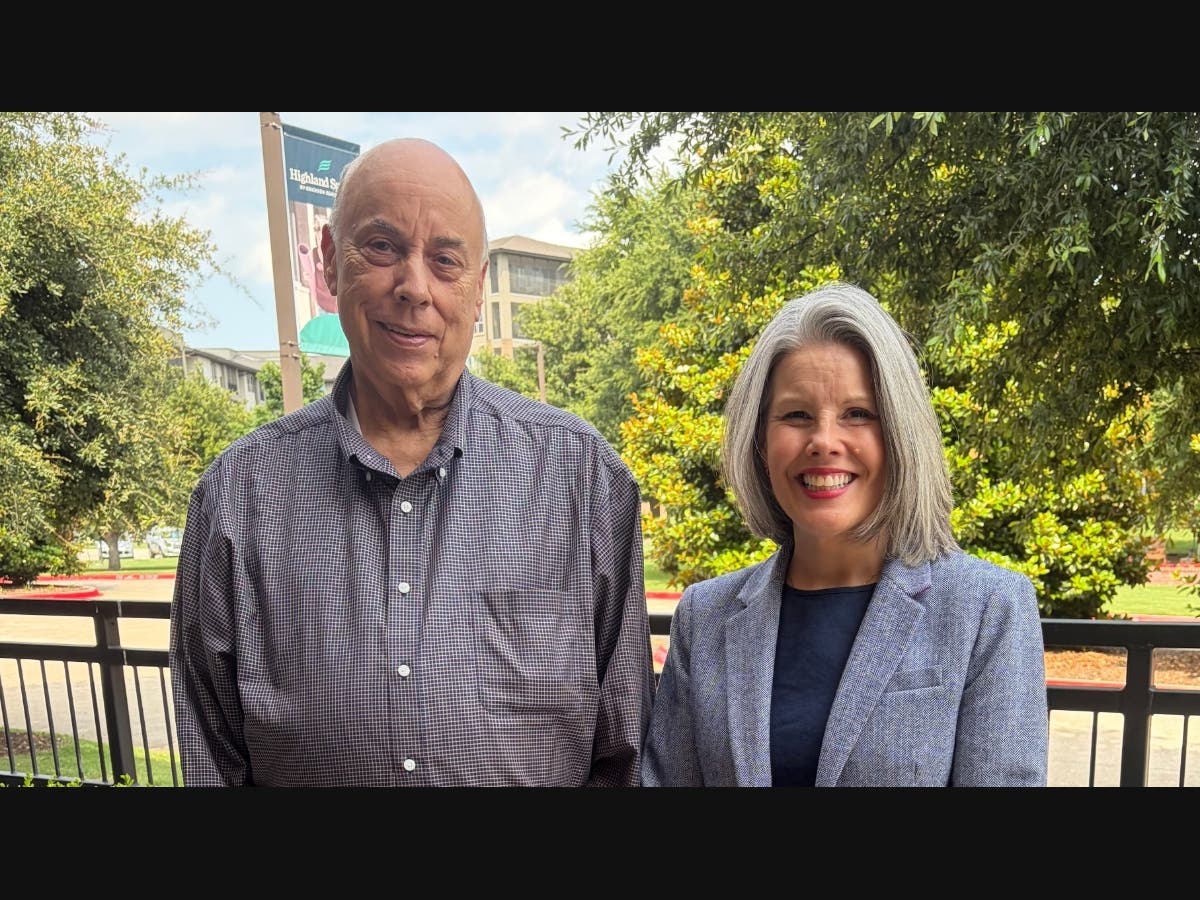
A guardianship proceeding can be one of the most consequential legal actions a family undertakes for a loved one. According to Texas estate planning attorney Don Ford, Managing Partner of Ford + Bergner LLP, the process requires careful adherence to legal procedures because it affects personal rights, financial authority, and long-term care decisions.

Ford explains that Texas law requires families to complete several formal steps before a court will appoint a guardian. These include filing an application with the probate court, providing medical evidence of incapacity, notifying interested family members, and attending a hearing where a judge determines whether guardianship is necessary.
Understanding Guardianship Before Filing
Guardianship is typically considered when an adult cannot make informed decisions about personal care or finances due to dementia, disability, illness, or cognitive impairment. Ford notes that because guardianship removes certain legal rights, Texas courts first evaluate whether the person's needs can be addressed through less restrictive alternatives.
Find out what's happening in Dallasfor free with the latest updates from Patch.
These alternatives may include powers of attorney, supported decision making agreements, or representative payee arrangements. Ford advises families to carefully assess the proposed ward's condition and any existing planning documents before pursuing guardianship. In many situations, he says, a structured evaluation of available options helps determine whether guardianship is appropriate or whether another solution can provide protection with fewer limitations.
To help clarify the process, Ford offered this breakdown:
Find out what's happening in Dallasfor free with the latest updates from Patch.
Step 1: Obtain a Physician's Certificate of Medical Examination
Ford explains that the guardianship process typically begins with a medical evaluation. A licensed physician must examine the proposed ward and complete a Physician's Certificate of Medical Examination, commonly referred to as a PCME. This document outlines the individual's diagnosis, decision making capacity, and whether assistance is required to manage personal, medical, or financial matters.
Texas courts require the certificate to be completed within a specific timeframe before filing the guardianship application. Without a current PCME, Ford notes, the case cannot proceed through the probate court.
Step 2: File an Application for Guardianship
Once the medical certificate is prepared, the next step is filing a formal guardianship application in the appropriate Texas probate court. According to Ford, the petition must identify the proposed ward, describe the circumstances that necessitate guardianship, list close relatives and interested parties, and specify whether guardianship is sought for the person, the estate, or both.
Ford notes that Texas courts require detailed factual allegations and strict compliance with statutory requirements. Inaccurate or incomplete filings can delay the proceeding.
Step 3: Appointment of an Attorney Ad Litem and Court Investigations
After the guardianship application is filed, the court appoints an attorney ad litem to represent the proposed ward. Ford explains that this attorney's role is to protect the ward's legal rights, investigate the allegations, meet with the individual, and report findings to the judge.
In some Texas counties, the court may also appoint a court investigator, guardian ad litem, or social worker. These professionals may interview family members, review living conditions, and evaluate whether less restrictive alternatives could address the individual's needs.
Step 4: Provide Notice to Family Members
Texas guardianship law requires formal notice to certain relatives and interested parties. Ford explains that spouses, adult children, parents, siblings, and sometimes extended family members must be notified. The proposed ward must also receive personal service informing them of the guardianship application.
Providing proper notice is essential because procedural errors can create delays or legal challenges later in the process.
Step 5: Attend the Guardianship Hearing
A judge cannot grant guardianship without a formal hearing. During this hearing, Ford says the court reviews evidence from the applicant, the attorney ad litem, medical professionals, investigators, and any individuals who oppose the request.
The applicant must demonstrate that the proposed ward is incapacitated, that guardianship is necessary to protect the individual's safety and wellbeing, that less restrictive alternatives are not sufficient, and that the proposed guardian is qualified to serve.
Step 6: Issuance of Letters of Guardianship
If the judge approves the application, additional steps may be required before authority becomes official. For guardianship of the estate, Ford explains that the court may require the guardian to post a bond. Once the requirements are satisfied, the court issues Letters of Guardianship. These documents serve as legal proof of the guardian's authority.
Guardians must also comply with ongoing court supervision, including filing annual accountings and status reports.
Legal Guidance in Texas Guardianship Matters
Ford notes that guardianship cases involve several layers of legal review and court oversight. Families often face both emotional and procedural challenges when pursuing guardianship for a vulnerable loved one. Understanding the legal framework and preparing the necessary documentation can help ensure the court has the information it needs to make an informed decision.
~~~
Entrepreneur Leadership Network member Merilee Kern, MBA is an internationally-regarded brand and leadership strategist who reports on noteworthy industry change makers, movers, shakers and innovators across all B2B and B2C categories. This includes field experts and thought leaders, brands, products, services, destinations and events. Her work reaches multi-millions worldwide via broadcast TV (her own shows and copious others on which she appears) as well as a myriad of print and online publications. Connect with her at www.TheLuxeList.com and www.SavvyLiving.tv / Instagram www.Instagram.com/MerileeKern / Twitter www.Twitter.com/MerileeKern / Facebook www.Facebook.com/MerileeKernOfficial / LinkedIN www.LinkedIn.com/in/MerileeKern.