Neighbor News
3 Things You Need to Know Before You Start Selling Your Music
If you are an independent artist, a freelance musician, or want to start an independent record label, here's a few things you should know.



Now more than ever, the Internet is teeming with talented singers, songwriters, producers and musicians, all of whom are in direct competition with each other for the public’s attention. They’re motivation for making music is as diverse as the genres they represent. Talent notwithstanding, most of them struggle to take their craft to the next level. Whether you are an independent artist, want to start an independent record label, or are a freelance musician, here’s a few things you should know.
You Must Clear Every Sample You Use.
One of the techniques used in music production is called “sampling”. Sampling is the act of extracting a portion of an existing song, and reusing that “sample” to create a substantially new recording. The point is to make a new original track using a sample from a previous song. This can include anything from a drum beat to a vocal snippet, or even a non-musical sound. Music, like other creative works, is protected by copyright law. Reusing any part of a copyrighted work, including a sample, requires permission from the copyright holders (record label, writer/publisher, etc). Failure to do so puts one in direct violation of copyright infringement law, opening them up to litigation and penalties. Penalties can include fines, forfeiture of royalties, and the inability to distribute the music in question to the public.
Now You’re Ready For Distribution.
Find out what's happening in Austinfor free with the latest updates from Patch.
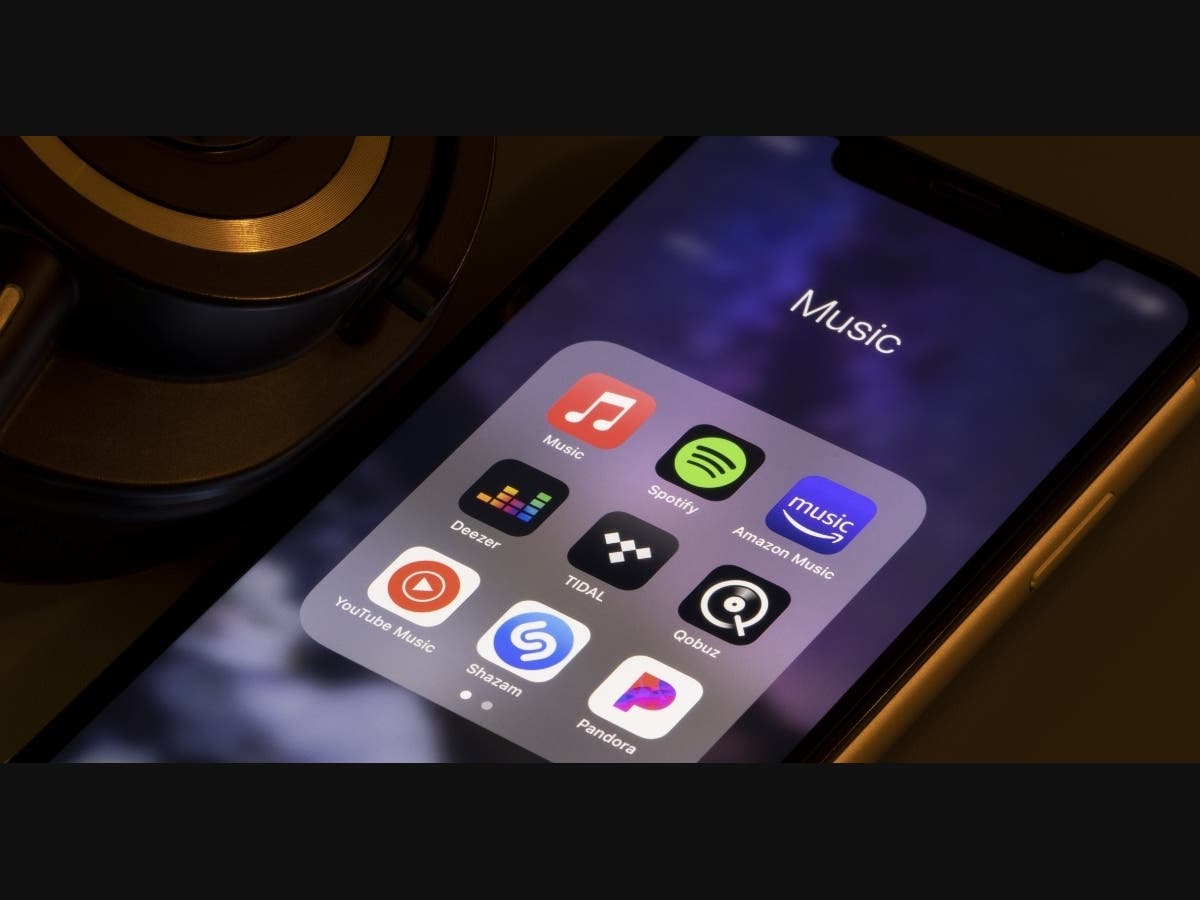
Samples are cleared, the music is of great sonic quality, and you’ve hyped up the anticipation for your project. All you need to do now is release your music to the masses. To do this, you need a distributor. Music distribution is the process of making music available to consumers through various online stores and streaming platforms like Spotify, Apple Music, and Amazon Music. It essentially involves getting your music onto these digital platforms and ensuring that royalties are collected and distributed. A digital music distributor, also known as an aggregator, is a company that helps artists get their music onto streaming services and online platforms like Spotify, Apple Music, and Amazon Music. Some of the most popular music distributors for record labels and independent artists include DistroKid, CD Baby, TuneCore, and LANDR, each offering different features and pricing models to help artists get their music on streaming platforms and stores. To obtain digital distribution, choose the distributor that is most to your liking, visit their website to see their requirements and register with them.
What Are Royalties and What is Publishing?
Music royalties are payments made to rights holders (like songwriters, composers, and recording artists) for the use of their music, whether it’s played, performed, or reproduced. These royalties are earned whenever their music is used in various formats and contexts, including streaming, radio, television, and more. Theoretically, royalty payments come in two forms: mechanical royalties and performance royalties, depending on the language in the recording contract. Mechanical royalties are the payments received from the sale of music on digital distribution platforms (iTunes, Amazon Music, etc.) Performance royalties are the payments received whenever music is played publicly, such as on radio, TV, or in a commercial setting. The license to use and profit from the performance of a musical work is called its “publishing”. Performance royalties, (or publishing royalties) are administered by PRO’s, or Performance Rights Organizations. Organizations such as ASCAP (American Society of Composers, Authors and Publishers) track the use of any work registered with their organization, and collect the royalties due from anyone who has used the music, whether you are aware they used it or not. PRO’s offer an extra layer of protection for your works, as well as another revenue stream for the music. If you are planning to start a record label, become an independent artist, or license your music to movies, television, or video game companies, be sure to register as a writer, publisher, or both with a performance rights organization like ASCAP, ASAP. If you need assistance, consider contacting an experienced entertainment lawyer to walk you through the first steps.