Arts & Entertainment
Austin Film Society Screening Documentary On Blue Note Jazz Label
Playing through July 24, 'Blue Note: Beyond The Notes' yields a musical journey as mesmerizing as the high artistry of its players.


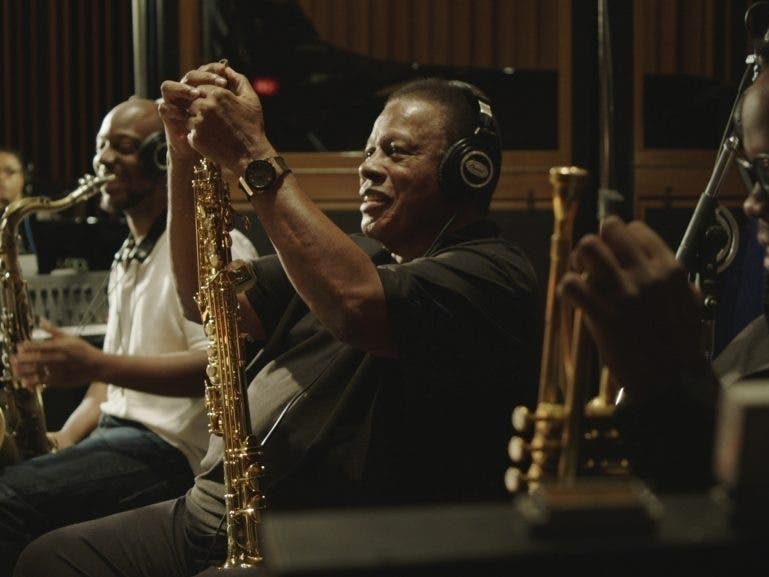
AUSTIN, TX — There's something mesmerizing about a Blue Note album that begins with the packaging — the musical power within hinted at with dramatic imagery of musicians with instruments and bold font. Then one considers the legacy of the label that recorded jazz pillars at the height of their otherworldly artistry — John Coltrane, Miles Davis, Cannonball Adderly, Art Blakey, Thelonious Monk, Dexter Gordon, Bud Powell and other giants.
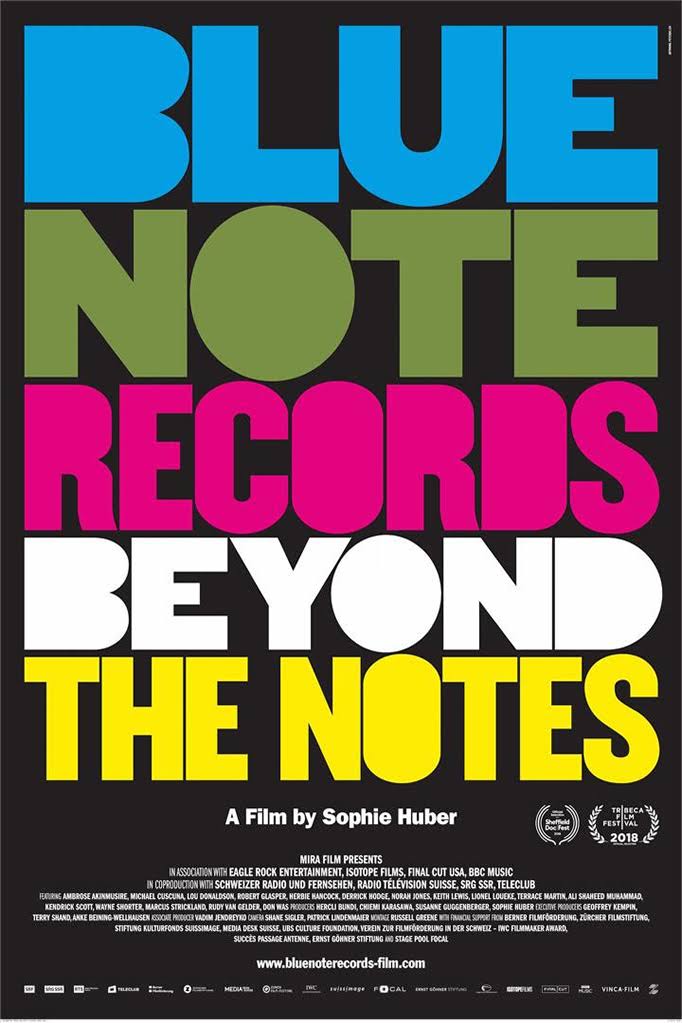
Equally as mesmerizing is "Blue Note Records: Beyond the Notes," a newly released documentary directed by Sophie Huber, now screening at the Austin Film Society. In its span just under 1 1/2 hours — which goes much too fast for a jazz aficionado — the history of what's arguably the most important record label in the history of the genre is covered succinctly yet powerfully.
Groundbreaking work has been pressed for posterity at Blue Note, each recording session capturing musical journeys that take the listener along for the ride. The story begins rather implausibly since its 1939 founding in New York by a pair of German Jewish refugees, Alfred Lion and Francis Wolff. From these improbable hands, the fire of musical freedom — not unlike the founders' pursuit of personal freedom from oppression — was lit.
Find out what's happening in Austinfor free with the latest updates from Patch.
It's a fire that altered the musical landscape with scorched-earth potency, later to glow as embers amid changing tastes before reigniting with new shadings forged in melodic heat. Rare archival footage gives way to contemporary recording sessions accentuated by observations with such jazz icons as Herbie Hancock and Wayne Shorter along with members of a younger generation of musicians grasping the torch from their musical heroes.
The notes and musical expression of jazz have ushered in the genre of hip hop so prevalent today, as the documentary explores the influence the label has had on artists practicing the current music. The emergence of Norah Jones came by virtue of Blue Note, her critically acclaimed debut album “Come Away With Me” breathing new life to the storied label as discussed in the documentary.
Find out what's happening in Austinfor free with the latest updates from Patch.
Today's artists recognize the mother lode that is Blue Note, as the alto saxophonist Lou Donaldson explains in the doc. It was only by studying his royalty checks that he learned his rendition of "Ode to Billy Joe" had become Blue Note's most sampled track, influencing such artists as Kanye West, Cypress Hill, De La Soul, Eminem, A Tribe Called Quest and others.
Like Hancock and Shorter, Donaldson provides the invaluable perspective of the old guard — those there virtually from the beginning. But there's also interviews with accomplished, younger artists signed to the label as musical torchbearers, discussing their affiliation with a hushed reverence given the legacy before them.
Jazz drummer and composer Kendrick Scott discusses the influence Blue Train, the seminal studio album by John Coltrane recorded in 1958 — and something of a holy grail of the genre — had on him as a budding musician: "Blue Train was such an important work," Scott says. "It changed the face of jazz forever. That's one of the reasons why I knew that I wanted to play music. I said if somebody can translate these sound waves into my body, and make me feel this way, I want to be included int that."
Courtesy image.
As a prospective viewer of the film, one reflexively mulls the prospect of watching it as daunting given the nuanced history of jazz and the vast constellation of its brightest stars. One wonders if the dizzying number of phenomenal recordings might lose in translation given the musical onslaught, resulting in a finished celluloid product likely lacking cohesion or marred by notable omissions in the categorizing before ultimately collapsing under its own heft.
Not so with "Blue Note Records: Beyond the Notes." Where other chroniclers of the genre have taken the role of muralist with varying (and debatable) degrees of success, Huber masterfully zeroes in on the essence of things with the precision of a miniaturist. Along the way, she's created a comprehensive yet accessible history that's sure to satisfy neophytes and longtime aficionados alike.
Observations like Scott's represent the most effecting parts of the documentary. The awe of younger musicians — highly accomplished artists in their own right — in expressing their admiration of the label's musical architects serving as mentors is palpable, uttered in the hushed tones of reverence. (Scott deems Blakely "a university unto himself").
Huber films these intimate interviews with her subjects surrounded by darkness, the commentators' visages the most lively part of the shot in demanding the viewers' focus. In framing this way, Huber either consciously or unconsciously mimics the potent photography of Blue Note album covers by Wolff also discussed in the documentary — imagery one observer describes as depicting musicians in rooms seemingly without walls, both literally and figuratively.
Ambrose Akinmusire discusses Clifford Brown, a fellow trumpeter who died at the tender age of 25 in a car crash but not before leaving four years' worth of recordings: "Just the seriousness. To hear the level that he got to, all by the age of 25. That is amazing. So, yeah, to me he's the biggest influence as far as trumpet players."
The label's distinction as musical refuge of sorts for musicians that likely could not have been similarly embraced elsewhere is discussed. In this regard, thank goodness for Blue Note or we never would've heard the likes of, say, Joe Henderson being taken warmly into the fold.
Serving as Blue Note record producer and executive, Don Was recalled the first time he heard Henderson in his album Mode for Joe "...where he's kind of making these...I don't even call them notes....animalistic cries of anguish. Whoa, what is this music?" he recalls thinking. He also describes Wayne Shorter's "Speak No Evil" as akin to meditation.
He's not alone in having been introduced to such otherworldly sounds with the thrill of new discovery. Even Monk's band mates discuss their own initial challenges in grasping the complexity of the pianist's unique improvisational style of playing, adding further delight to an already-enthralling documentary canvas.
"Blue Note Records: Beyond the Notes" had its first showing at Austin Film Society, 6406 N. Interstate 35. on Friday, July 19. Two screenings are scheduled on Saturday, July 20, at 4:45 p.m. and 7 p.m. Following Saturday's 4:30 p.m. screening, jazz trumpeter Jeff Lofton will join those gathered for a conversation about the film. The film will be screened at AFS through July 24.
Get more local news delivered straight to your inbox. Sign up for free Patch newsletters and alerts.