Community Corner
Hurricane Harvey: Time To File Insurance Claims, Apply For FEMA Aid Is Now
The sooner victims file claims with insurance companies, apply for federal aid the sooner they can be made whole.


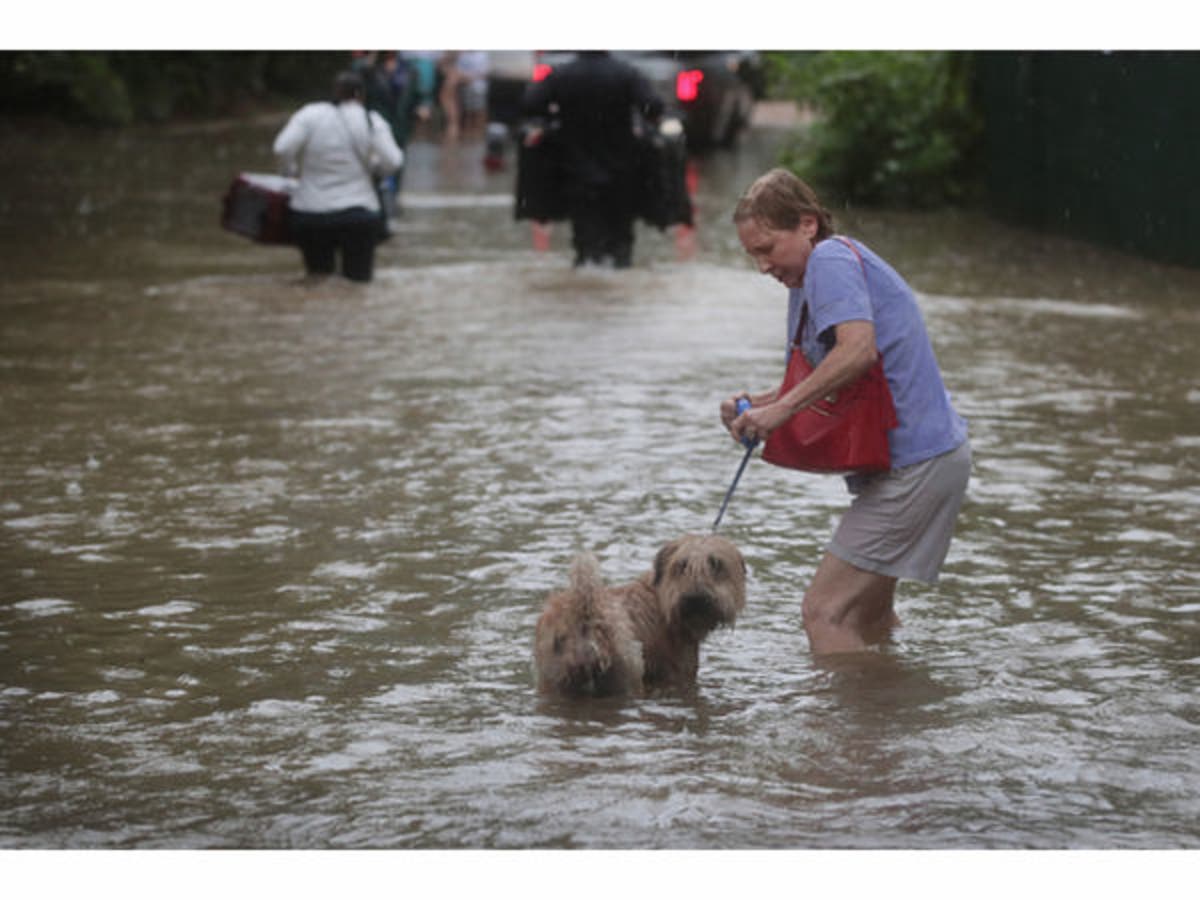
AUSTIN, TX — For victims of flooding along the Texas Gulf Coast—many of them wading around in water that's seeped into their homes while waiting to be rescued—filling out paperwork is the last thing on their minds. Buy filing for insurance claims and federal aid as quickly as possible ensures victims can be made whole sooner.
New law benefiting insurers takes effect Sept. 1
In terms of insurance claims, policyholders are urged to file before Sept. 1. That's not the deadline, mind you, but filing before that date could protect claimants fully before a new law passed in the interest of the big insurance companies takes effect on Sept. 1.
Find out what's happening in Austinfor free with the latest updates from Patch.
In what critics view as a pro-business move benefiting the giant insurance companies, the Republican-led Texas Legislature recently passed new insurance-related laws potentially limiting property owners' rights to make claims. The pro-business tweaks affect the setting in motion on carriers' decisions whether to accept claims, deny them, delay them or reject them altogether. One key provision of the new law slashes the long-established penalties assessed to insurers not responding to claims in a timely manner from 18 percent of a set amount to just 10 percent.
With that deterrent for late action by insurers now gone, the response time could be dragged on, consumer advocates warn. Texas Watch, a non-partisan, non-profit consumer advocacy group founded in 1998, was virtually alone in setting off alarm bells about the corrosive effect the changes to the law could have on consumers.
Find out what's happening in Austinfor free with the latest updates from Patch.
Harvey Still Expected To Cause More Damage
Ultimately, their efforts were unsuccessful in the face of powerful lobbyists helping write the new legislation and a formidable team of lawyers going to bat for the industry. Gov. Greg Abbott—now expressing support to hurricane victims at intermittent press conferences updating flooding conditions—signed the law, formally named House Bill 1774, benefiting insurers on May 27. Informally, it's known as the Blue Tarp bill.
Part of the challenge of conveying the new law's detrimental effect on policyholders is the complicated and arcane nature of the changes, Ware Wendell, executive director at Texas Watch, told Patch in a telephone interview. Even the most savvy can get confused; in a post widely circulated on social media, Texas State Bar President-elect Joe Longley suggested policyholders had only until Sept. 1 to file claims, which is not the case.
"It is very important that you do not procrastinate in making a claim," Longley wrote to victims of Hurricane Harvey in a part of his missive that is accurate.
Related story: Hurricane Harvey: 8 Reported Dead, More Misery Ahead In Houston
Patch called Longley's law office for clarification, but a receptionist there said all calls on the matter are being referred to Texas Watch. What is true is that insurers' lives will be made easier if hurricane victims call after Sept. 1 when the new law takes effect, given the watered-down penalties, Wendell said. So he urges policyholders to file before that date, if it's safe for hurricane victims to do so.
"The bill speaks to the effective date, and there's two sections: One covering claims and the other covering actions," Wendell explained. The main objection for Texas Watch is the removal of the more sizable penalty before the law was tweaked in the last legislative session.
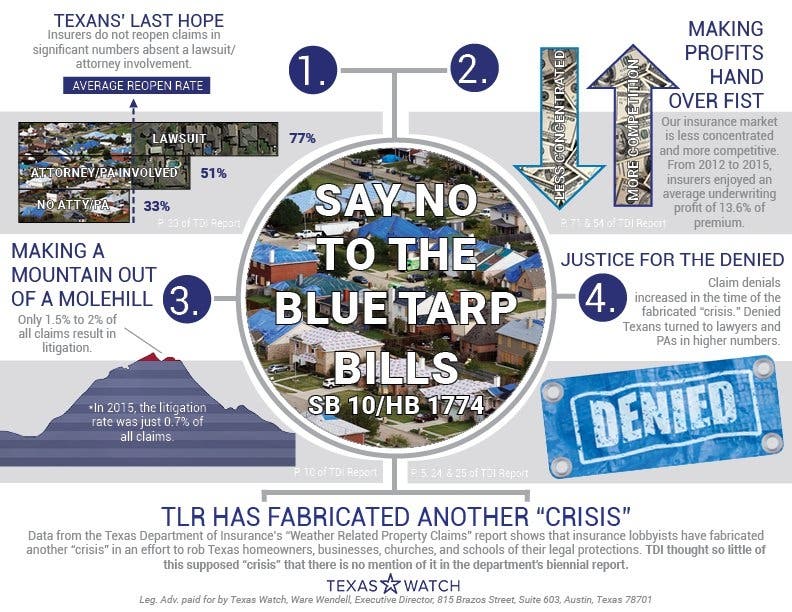
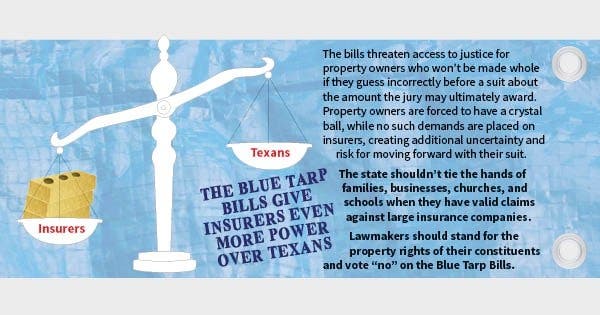
"We've had strong penalties on our books for years," Wendell said, decrying the softer versions. "They've been in place since the 1990s, and the law had worked pretty well. The Blue Tarp bill only helps insurance companies and hurts property owners with costs and delays. I fear it will be a man-made disaster."
On a related front, those affected by natural disaster in the Texas Gulf Coast can apply for federal assistance via the Federal Emergency Management Agency (FEMA). Applicants may be eligible for the full range of federal assistance: rental payments for temporary lodging; unemployment benefits; loans to cover residential losses not covered by insurers; grants for home repairs and replacement of personal property; and more.
On Aug. 23, the governor issued a disaster proclamation covering various counties beset by severe flooding, storm surges and damaging winds. The counties deemed disaster areas are: Aransas, Atascosa, Austin, Bee, Bexar, Brazoria, Brazos, Caidwell, Calhoun, Cameron, Chambers, Colorado, Comal, DeWitt, Fayette, Fort Bend, Galveston, Goliad, Gonzales, Grimes, Guadalupe, Hardin, Harris, Jackson, Jasper, Jefferson, Jim Wells, Karnes, Kerr, Kleberg, Lavaca, Lee, Leon, Liberty, Live Oak, Madison, Matagorda, Montgomery, Newton, Nueces, Refugio, San Patricio, Tyler, Victoria, Walker, Waller, Washington, Wharton, Willacy and Wilson counties.
Given the unprecedented nature of the destruction in the Texas Gulf Coast region, officials expect an avalanche of submitted applications. The region happens to be home to nearly a quarter of all Texas residents, and FEMA is expecting more than 450,000 residents to seek disaster assistance for emergency situations stemming from Harvey-induced flooding.
Applicants applying for FEMA aid can register at DisasterAssistance.gov. Those without access to the Internet can sign up by calling (800) 621-FEMA (3362). Individuals who have speech disabilities or hearing loss and use TTY should call (800) 462-7585. Moreover, applicants who use 711 or Video Relay Service should call (800) 621-3362. Both toll-free numbers will be operational from 7 a.m. to 10 p.m. local time seven days a week until further notice, according to FEMA officials.
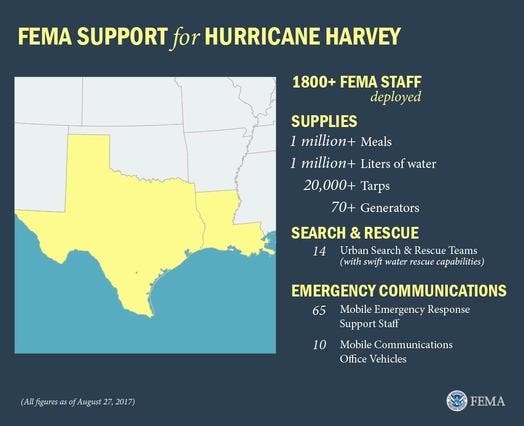
Here's a look at our response operations for #Harvey. For resources: https://t.co/QYz65o9EIG pic.twitter.com/sVQqoxiFX8
— FEMA (@fema) August 28, 2017
For more information on applying for federal aid and more Hurricane Harvey-related matters, visit the FEMA website by clicking here. To read more about the recently passed Blue Tarp bill click here.
>>> Uppermost image: A Houston resident walks down a flooded street in the upscale River Oaks neighborhood after it was inundated with water from Hurricane Harvey on Aug. 27. Photo by Scott Olson/Getty Images
Get more local news delivered straight to your inbox. Sign up for free Patch newsletters and alerts.