Community Corner
Hurricane Harvey: Used Cars Damaged By Storm Poised To Flood The Market
Up to 500,000 cars submerged in Harvey flooding will hit the used car market. Here's a list of tips to avoid being tricked into buying one.


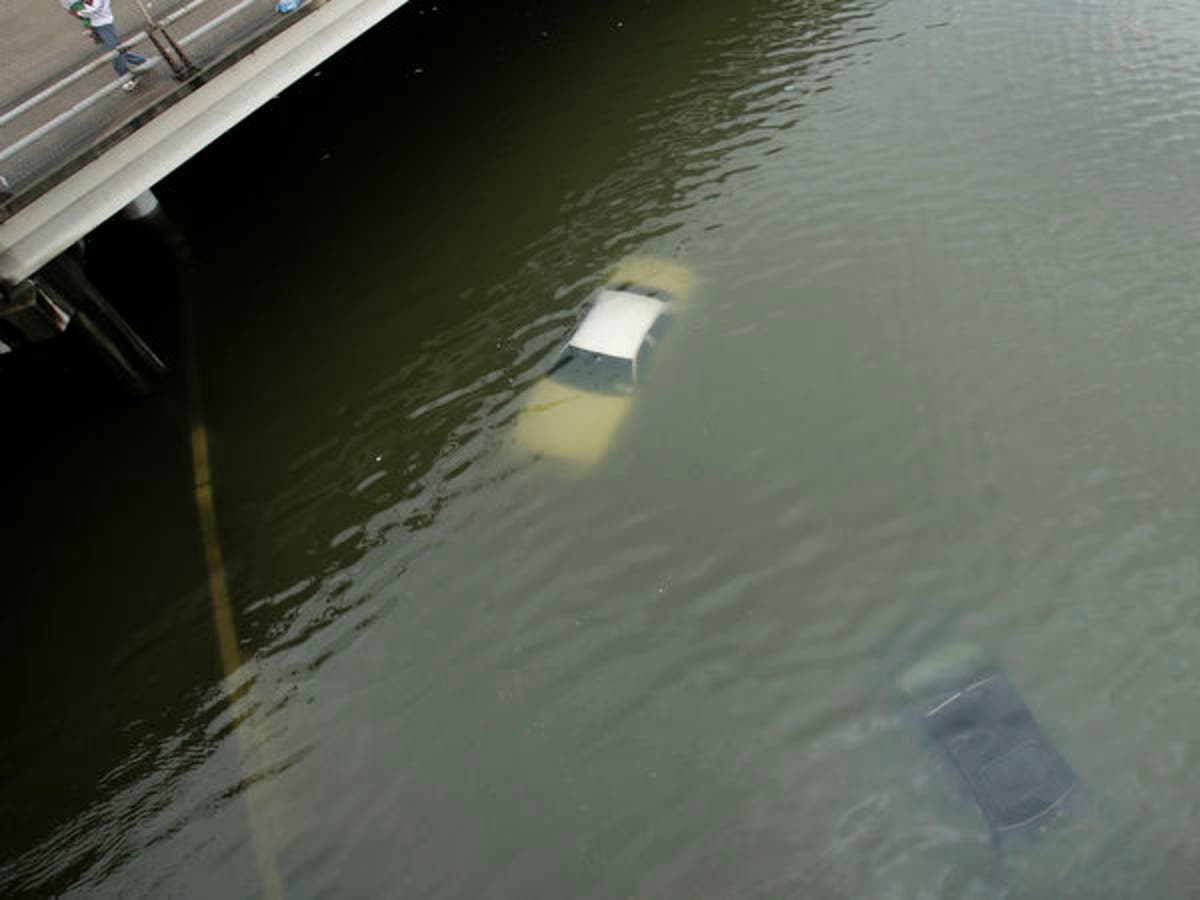
AUSTIN, TX — In the aftermath of Hurricane Harvey, potentially hundreds of thousands of storm-damaged vehicles will likely flood the used-car market. And now, Hurricane Irma further threatens to increase that supply of once-submerged cars to an unsuspecting car-buying public.
According to estimates, up to 500,000 vehicles in Texas were either damaged or destroyed by the torrential storms after Hurricane Harvey became a tropical storm. Officials at Carfax, a vehicle history report firm, estimate that roughly half of all cars damaged by Harvey-related flooding are poised to return to the roadways, according to USA Today.
Among the most vulnerable consumers tricked into buying a so-called "flood car" are Hurricane Harvey survivors whose own vehicles were destroyed, finding themselves in need of finding immediate transportation. This is particularly true among those lacking access to rental crash through their insurance policies.
Find out what's happening in Austinfor free with the latest updates from Patch.
As a result, car industry analysts warn consumers to be on the lookout for signs a used vehicle was submerged in flooding before buying. If you happen to be in the market for a vehicle, make sure you don't end up with a so-called "flood care," officials warn.
"They're getting duped out of thousands of dollars with a vehicle that's literally rotting from the inside out," Carfax spokesman Christopher Basso told USA Today. The company estimates some 325,000 flood-damaged cars from past storms are on the road today, the newspaper reported.
Find out what's happening in Austinfor free with the latest updates from Patch.
Unscrupulous sales of flood-damaged vehicles take form in a variety of ways, as USA Today reported:
- For sale by owner. Car owners who have minimal insurance coverage often unload the flood-damaged cars themselves, vigorously scrubbing the vehicle clean to make it look as it were unaffected by flooding. They do this by replacing carpet or upholstery before selling it to an unsuspecting buyer. Often, car sellers transport flood cars to other states to minimize scrutiny, according to the report.
- Forged or bogus documentation. Sellers sometimes tamper with title records or other documentation related to ownership in order to dupe buyers into thinking the cars are in good condition, the newspaper reported.
- Auctions. Insurance companies typically stick a flood or salvage title on a vehicle for it to get auctioned off legally. The car then typically is cleaned up by a buyer toward placing it for sale on the open market.
Fortunately, there are ways for consumers to safeguard themselves from unwittingly buying a flooded car. Such measures range from the rudimentary (literally sniffing the car) to a thorough history check:
- Consumers should thoroughly check the vehicle history report. Once an insurer covers flood damage on a vehicle, its history report will specify its status as a salvaged car, USA Today found. AAA suggests car buyers check Carfax to study those records. The company has opened its database for free int the aftermath of Hurricane Harvey to allow consumers to check for cars' flood histories. It's a robust database containing more than 100,000 sources, including insurers and mechanics. To visit the site, go to Carfax.com/flood.
- Consult with your mechanic prior to purchasing a car suspected to have been flooded. Combined with research on vehicle history, the trained eye of a mechanic can prove effective, according to the report.
- Sniff it out. Musty odors inside a vehicle can alert to past presence of moisture in a car's interior.
- If possible, pull back the carpet of a vehicle in checking for signs of water or mud. If you spot new carpeting or upholster, USA Today reports, just walk away. What you have there is likely a flood car.
- If the power locks and windows don't work properly, this could indicate flood-induced electrical damage.
- Don't forget to check headlights and taillights for the presence of water, which may indicate the car once was submerged in water.
- While it takes time for rust to build up, consumers should be on the lookout for corrosion anywhere on the vehicle, experts told USA Today.
- More than ever, take the car for a test drive. Never take the sellers's word for it that the car is fine.
Fortune magazine reports that insurance companies have received at least 100,000 claims for cars damaged by Hurricane Harvey, citing a report by Wired. Of those, 75 percent of those claims have been for totaled cars, with that number expected to rise. Cox Automotive chief economist places that total higher, telling USA Today the number of flood-damaged cars ranges from 300,000 to 500,000.
AP Photo/Charlie Riedel
Get more local news delivered straight to your inbox. Sign up for free Patch newsletters and alerts.