Neighbor News
Pump Up Your Fitness Results With Exercise and Nutrition
Exercise and nutrition together are the key to fitness goal success

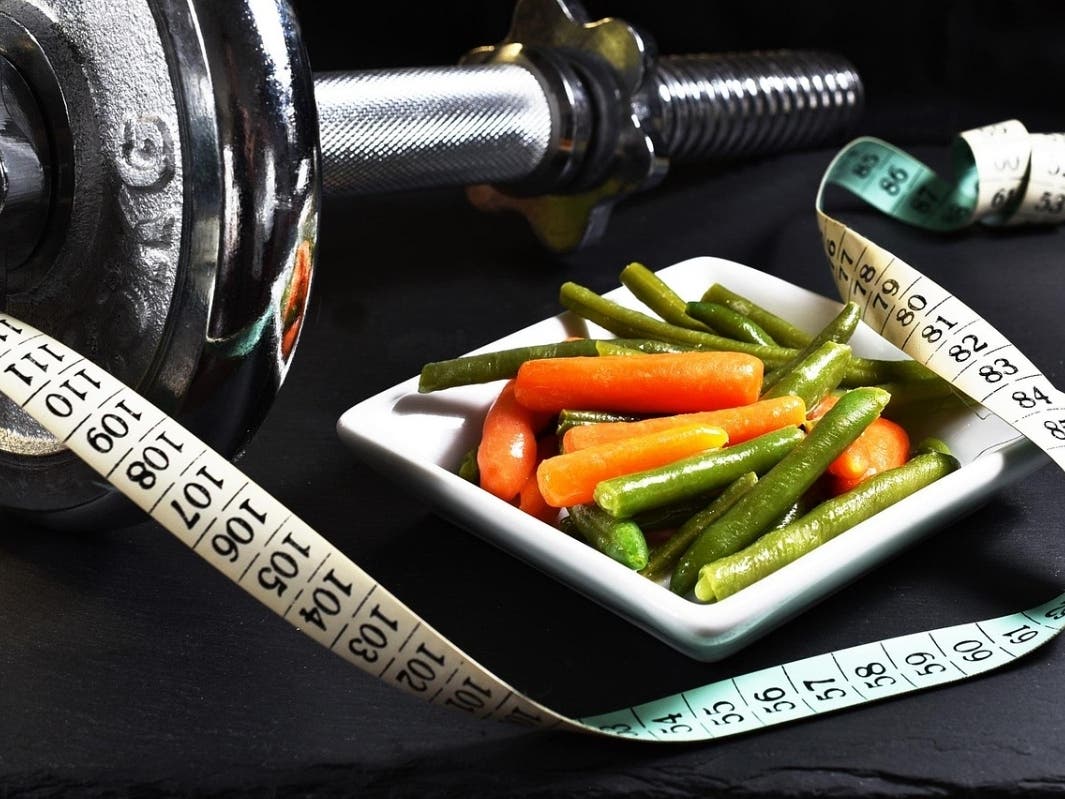
When it comes to achieving your fitness goals, exercise and nutrition go hand in hand. Exercise and nutrition together are the key to fitness goal success.
Exercise helps burn calories and build muscle, while eating healthy helps nourish the body.
Reaching your fitness goals truly depends on what you put into your body, including essential vitamins, minerals, protein, carbs, and healthy fats.
Find out what's happening in Austinfor free with the latest updates from Patch.
Working out builds stronger muscles that provide increased strength and flexibility while decreasing your risk of injury.
There are various forms of exercise, including cardiovascular and weight-bearing muscle training.
Find out what's happening in Austinfor free with the latest updates from Patch.
First, we’ll look at the various forms of exercise and their benefits. Next, we’ll break down nutrition and how it improves your fitness.
Exercise

Image URL: https://pixabay.com/illustrati...
Exercise is vital when it comes to having a healthy body and mind, but getting started can be intimidating. Many people find that having a personal trainer is a necessity because they can offer extensive knowledge and insight into which exercises will work best for you while giving you encouragement to keep up your exercise routine and track your progress.
Combining cardio and weight training will help amplify those results.
Aerobic vs. Anaerobic
Aerobic and anaerobic are the two main types of exercise you can do.
- Aerobic: Aerobic exercises, also known as cardio, will increase your endurance and stamina. Some forms of aerobic activities include:
- Walking/Jogging/Running
- Swimming
- Cycling (indoor or outdoor)
- Hiking
- Anaerobic: Anaerobic exercises, also known as strength training, will increase muscle mass and strength. Some forms of anaerobic activities include:
- Squats
- Leg Presses
- Bicep Curls
- Chest Press
Exercise programs will usually combine cardio and weight training because the benefits of both are imperative to achieving fitness goals.
The Benefits of Aerobic Exercise
Besides burning calories, cardiovascular exercises also provide a wide range of health benefits, including:
- Lowering blood pressure
- Helping to regulate blood sugar
- Strengthening the immune system
- Improving heart health
The Benefits of Anaerobic Exercise
Building muscle strength is an obvious benefit, but there are many others, including:
- Boosting metabolism to burn calories efficiently
- Lowering the risk of injury
- Increasing physical strength
- Strengthening bones and improving mental health
When building muscle strength, one of the best benefits is that your metabolic rate is increased after strength training, so you’ll still be burning calories hours and even days after your workout.
Exercise is also fun, especially when your brain releases the “feel good” endorphins! This is probably why exercise can be such a positive and healthy habit.
Even though exercise is extremely important, nutrition is equally significant. Without proper nutrition, your body will struggle to perform various exercises. After all, nutrition is your body’s source of fuel.
Nutrition![]()

Image URL: https://pixabay.com/photos/veg...
Protein
Protein is an abundant part of the body and is found in hair, skin, bone, muscle, and every other part of the body.
Protein supports bone density and muscle repair.
Protein is made up of building blocks called amino acids, nine of which are essential amino acids that can only come from food. These amino acids are isoleucine, leucine, lysine, histidine, methionine, phenylalanine, threonine, tryptophan, and valine.
It is recommended by the National Academy of Medicine that for every 20 pounds of body weight, you should consume just over 7 grams of protein. So, your overall protein intake should be anywhere between 10% and 35% of calories each day.
Keep in mind that too much protein can put a strain on your kidneys and result in possible dehydration if not enough water is consumed to balance it out. Staying hydrated is vital for your body to function. Water makes up about 60% of our body weight. Most adults should drink 2–2.5 liters of water a day, or around 8 cups. You should drink more if you’re exercising vigorously.
Healthy Sources of Protein
Lean meat: Meat that contains less than 8 grams of fat per 100 grams, totaling less than 200 calories, such as 4% fat ground beef. Other healthy forms of lean meat include:
- Poultry: Skinless chicken breast
- Seafood: Salmon, sardines, whitefish
- Salmon has extra benefits because it has omega-3 fatty acids.
- Legumes (beans, peas, and soy products): Kidney beans, black beans, soybeans
- Dairy: Whole eggs, egg whites, and low-fat and non-fat Greek yogurt
- Nuts and seeds: Walnuts, almonds, pumpkin seeds, and sunflower seeds
- Nuts and seeds are also included in the healthy fats category.
But protein alone is only a part of what your body requires. The body’s major source of energy comes from carbohydrates.
Carbohydrates
Simple Carbohydrates: Most simple carbohydrates are added to foods and are included in the sugar category. A few simple carbohydrates include:
- Raw sugar
- Brown sugar
- High-fructose corn syrup
- Glucose, fructose, and sucrose
- Fruit juice concentrate
Simple carbohydrates will spike blood sugar levels faster than complex carbohydrates and should be consumed in moderation, but these should be limited, especially when focusing on fitness goals.
Instead, focus on complex carbohydrates that take longer to digest so they won’t end up spiking blood sugar levels.
Complex Carbohydrates: Complex carbohydrates contain more nutrients than simple carbs, and they’re higher in fiber, so they tend to make you feel fuller longer. Some healthy options include:
- Vegetables
- Fruits
- Whole grains
- Nuts
- Beans
Another source of nutrition that assists in satiety is fats.
Fats
Fats come in different forms, including:
Unsaturated Fats: Unsaturated fats are typically liquid at room temperature and are found in vegetable oils, nuts, and fish.
- Unsaturated fats can lower your LDL and raise your HDL.
- LDL is bad cholesterol.
- HDL is your good cholesterol.
Saturated Fats: Saturated fats are generally solid at room temperature and are found in meats and dairy products.
- Saturated fats will increase your LDL, HDL, and total cholesterol levels.
Trans Fats: Trans fats are the worst fats because they increase your risk of heart disease, stroke, and diabetes. The effects of consuming too many trans fats are:
- LDL is increased.
- HDL is decreased.
Some foods that contain higher amounts of trans fats include fried foods like french fries and margarine-added products, including bakery items.
Healthy Fats
There are many healthy fats that the body needs because healthy fats not only have health benefits, but they also help you feel full for longer.
Some healthy forms of fat include:
- Olive oil
- Avocados
- Olives
- Nuts and seeds
Foods to Include
Making healthy food choices isn’t difficult, but it sometimes takes a little willpower. Making simple substitutions can help make it easier, especially when shopping for groceries.
When you have fitness goals in mind, meals should consist of mainly vegetables combined with some lean protein and healthy fats. This combination will also help stabilize blood sugar levels.
Healthy Food Swaps
Simply replacing butter with olive oil or avocado and whole grain instead of white processed bread can improve your health drastically.
A healthy dessert swap could be a cup of fresh fruit topped with a sprinkle of crushed walnuts and a dollop of fat-free plain Greek yogurt instead of ice cream.
Conclusion
When grocery shopping, you should read the labels on everything you buy. Keep in mind that the suggested serving size may be different from the amount you actually consume.
Also, ingredients are listed in order of what the product contains the most of by weight down to what it has the least of. If the first or second ingredient listed is high fructose corn syrup, that’s not a good choice to make.
Maintaining health is essential, and combining exercise and nutrition makes it that much easier to reach your fitness goals. Taking care of your body by building bone and muscle density along with absorbing the right vitamins and nutrients can help you feel better and have more energy so you’ll achieve your fitness goals that much faster.