Community Corner
Safety Tips Ahead Of Tropical Storm Cindy For Texas, Louisiana, Alabama, Mississippi, Florida
There are a number of well-known safety precautions to take in preventing harm during storm, and USDA offers food safety tips as well.


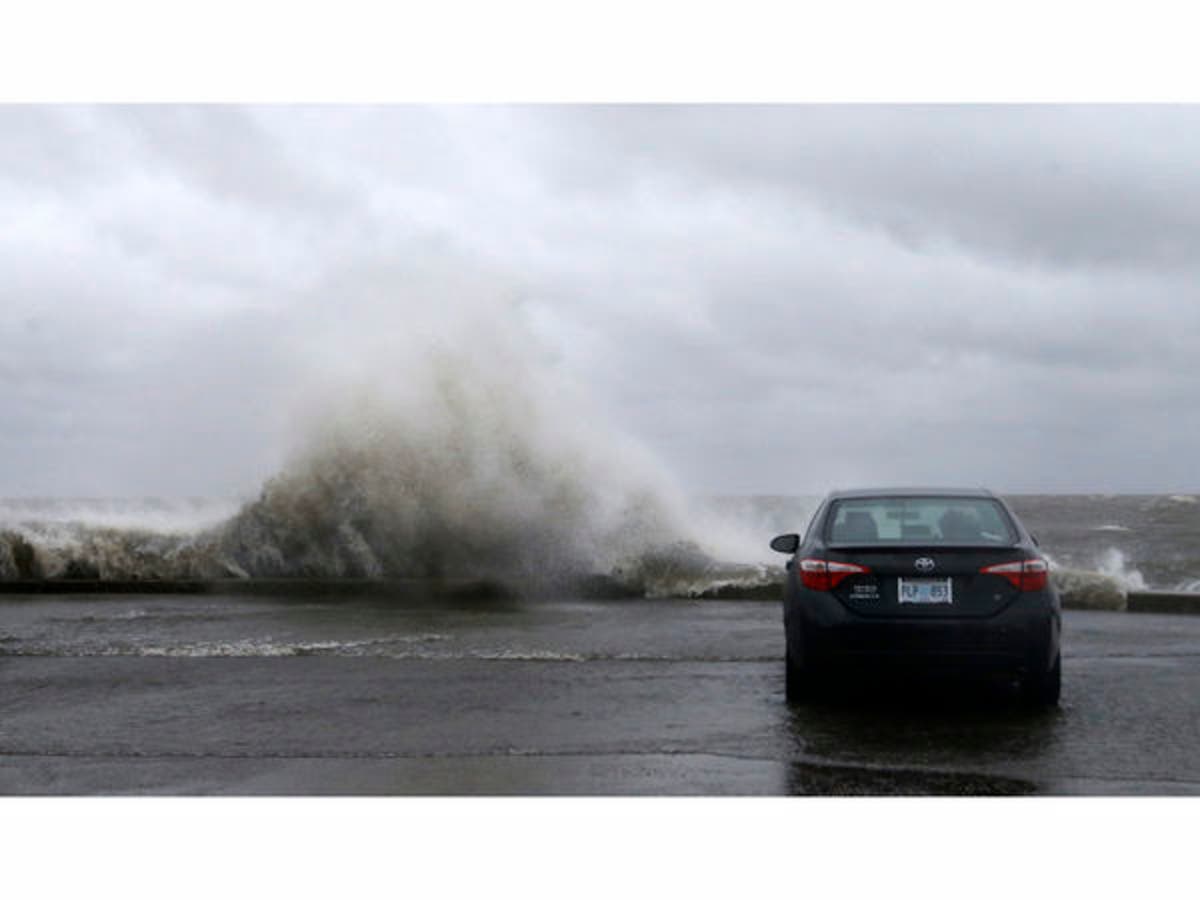
AUSTIN, TX — As Tropical Storm Cindy forms across the Gulf Coast, a number of safety precautions should be exercised ahead, during and after her path.
First, charge your cell phones. It may not be possible to power up those phones if storm-fueled outages occur, so it's key to charge your phone ahead of time so you're able to use it later. Like NOW.
The same precautions one would take to protect against hurricanes are generally the same ones to follow for Tropical Storm Cindy, which, at last check, was 170 miles (274 kilometers) south-southwest of Morgan City, Louisiana as of early Wednesday. Forecasters told the Associated Press that rain between six to nine inches (up to 12 inches in some spots) poses the biggest threat in parts of Louisiana, Alabama, Mississippi and the Florida Panhandle, with east Texas forecast to get from three to six inches.
Find out what's happening in Austinfor free with the latest updates from Patch.
Related story:Tropical Storm Cindy: Millions In Path Of Torrential Rain, Flooding
The National Hurricane Center expects the potential tropical cyclone will affect the U.S. Gulf Coast from the central Texas coast to the western Florida Panhandle starting late Wednesday. Here are some quick tips centered on precautions to take ahead of the arrival of Tropical Storm Cindy, provided by Hurricanville.com:
Find out what's happening in Austinfor free with the latest updates from Patch.
Before the storm:
- Leave low lying areas.
- Protect windows with plywood boards, or storm shutters.
- Secure outside objects (patio furniture and the like).
- Make sure you have plenty of fuel and water on hand.
- Have several days supply of food and water for each family member.
- If called to evacuate, do so immediately.
- Be ready to put your plan and preparation into action.
- Pay attention to local weather reports on radio, television, or the internet.
- Make sure all your tools, supplies, and first aid kit available for use.
- Have a secure room available.
During the storm:
- Stay in Secure Room.
- Stay away from windows.
- Do not use the phone, or candles.
- Monitor Weather and Civil Service Bulletins on either regular or NOAA radio.
- Have supplies on hand.
- Remain indoors when the eye of the storm moves over your area because the storm will resume shortly.
As it relates to food safety, the U.S. Department of Agriculture's Food Safety and Inspection Service issued its own set of tips for those impacted by the storm. Tropical storms present the possibility of power outages and flooding that can compromise the safety of stored food, FSIS officials noted.
Consequently, FSIS recommends that consumers take a number of steps to reduce food waste and the risk of foodborne illness during this and other severe weather events.
Steps to follow before losing power:
- Keep appliance thermometers in both the refrigerator and the freezer to ensure temperatures remain food safe during a power outage. Safe temperatures are 40°F or lower in the refrigerator, 0°F or lower in the freezer.
- Freeze water in one-quart plastic storage bags or small containers prior to a storm. These containers are small enough to fit around the food in the refrigerator and freezer to help keep food cold. Remember, water expands when it freezes so don’t overfill the containers.
- Freeze refrigerated items, such as leftovers, milk and fresh meat and poultry that you may not need immediately—this helps keep them at a safe temperature longer.
- Know where you can get dry ice or block ice.
- Have coolers on hand to keep refrigerator food cold if the power will be out for more than four hours.
- Group foods together in the freezer—this ‘igloo’ effect helps the food stay cold longer.
- Keep a few days’ worth of ready-to-eat foods that do not require cooking or cooling.
Steps to follow if the power goes out:
- Keep the refrigerator and freezer doors closed as much as possible. A refrigerator will keep food cold for about 4 hours if the door is kept closed. A full freezer will hold its temperature for about 48 hours (24 hours if half-full).
- Place meat and poultry to one side of the freezer or on a tray to prevent cross contamination of thawing juices.
- Use dry or block ice to keep the refrigerator as cold as possible during an extended power outage. Fifty pounds of dry ice should keep a fully-stocked 18-cubic-feet freezer cold for two days.
Steps to follow after a weather emergency:
- Check the temperature inside of your refrigerator and freezer. Discard any perishable food (such as meat, poultry, seafood, eggs or leftovers) that has been above 40°F for two hours or more.
- Check each item separately. Throw out any food that has an unusual odor, color or texture or feels warm to the touch.
- Check frozen food for ice crystals. The food in your freezer that partially or completely thawed may be safely refrozen if it still contains ice crystals or is 40°F or below.
- Never taste a food to decide if it’s safe.
- When in doubt, throw it out.
Food Safety After a Flood
- Do not eat any food that may have come into contact with flood water—this would include raw fruits and vegetables, cartons of milk or eggs.
- Discard any food that is not in a waterproof container if there is any chance that it has come into contact with flood water. Food containers that are not waterproof include those packaged in plastic wrap or cardboard, or those with screw‐caps, snap lids, pull tops, and crimped caps. Flood waters can enter into any of these containers and contaminate the food inside. Also, discard cardboard juice/milk/baby formula boxes and home canned foods if they have come in contact with flood water, because they cannot be effectively cleaned and sanitized.
- Inspect canned foods and discard any food in damaged cans. Can damage is shown by swelling, leakage, punctures, holes, fractures, extensive deep rusting, or crushing/denting severe enough to prevent normal stacking or opening with a manual, wheel‐type can opener.
FSIS will provide relevant food safety information as the storm progresses on Twitter @USDAFoodSafety and Facebook. FSIS’ YouTube video “Food Safety During Power Outages” (see below) has instructions for keeping frozen and refrigerated food safe. The publication “A Consumer’s Guide to Food Safety: Severe Storms and Hurricanes” can be downloaded and printed for reference during a power outage.
Those with questions about food safety during severe weather, or any other food safety topics, can call the USDA Meat & Poultry Hotline at 1-888MPHotline or chat live with a food safety specialist at AskKaren.gov. These services are available in English and Spanish from 10 a.m. to 6 p.m. Eastern Time, Monday through Friday. Answers to frequently asked question can also be found 24/7 at AskKaren.gov.
>>> Photo credit: Gerald Herbert/Associated Press, NOAA via AP
Get more local news delivered straight to your inbox. Sign up for free Patch newsletters and alerts.