Traffic & Transit
Texas Clear Lanes Congestion Relief Initiative Launched
$11.4 million project adds more closed circuit cameras to spot crashes and stranded drivers along with enhanced traffic radar detection.


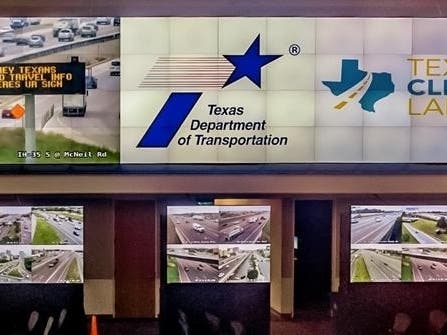
AUSTIN, TX — State transportation officials on Tuesday joined elected officials in celebration of a safety initiative featuring bolstered technology along Interstate 35 to better spot and clear crashes and stranded drivers.
The $11.4 million Texas Clear Lanes initiative enhances traffic incident management by providing more closed circuit television cameras to quickly locate crashes and drivers needing assistance along with radar detectors to help determine travel speeds and dynamic message signs to relay that information to drivers. The intelligent transportation system stretches along I-35 from Williamson to Hays counties.
A number of state and local officials gathered at the Combined Transportation And Emergency Communications Center (CTECC), 5010 Old Manor Rd., to launch the technology network. Among the gathering were Texas Transportation Commission Chairman J. Bruce Bugg, Jr., State Rep. Celia Israel, Hays County Judge Ruben Becerra, Williamson County Commissioner Cynthia Long and City of Austin Mayor Steve Adler.
Find out what's happening in Austinfor free with the latest updates from Patch.
.jpg)
Officials (including Austin Mayor Steve Adler, fifth from left) gathered to celebrate the launch of the Texas Clear Lanes Congestion Relief Initiative. Photo courtesy of Texas Department of Transportation.
“The Texas Clear Lanes Congestion Relief Initiative was designed to find unique ways to get drivers where they need to go safely and quickly,” Bugg said. “This I-35 technology upgrade is like going from a landline to a smart phone and is proof of our commitment to find innovative ways to keep traffic moving in this region.”
Find out what's happening in Austinfor free with the latest updates from Patch.
In a press advisory, the value of the new initiative was outlined: Nationally, approximately 20 percent of all traffic incidents are a secondary incident. By using this technology to quickly identify and safely remove stranded motorists from the roadway, the number of these crashes can be greatly reduced, improving safety and mobility. The Traffic Management System is also used to monitor traffic during construction and special events and provide safety, travel and emergency messages to drivers.
Another reason for the initiative: I-35 from US 290 to SH 71 is ranked number three on the Texas A&M Transportation Institute’s 2018 Top 10 Most Congested Roads in Texas, transportation officials said.
“These upgrades will provide drivers with reliable, real-time data to allow them to make better travel decisions when considering routes, travel modes and timing of trips,” Austin District Engineer Terry McCoy explained. “By identifying incidents early and deploying assistance, we can significantly increase the reliability of the overall transportation network.”
The Traffic Management System Initiative upgrade began in the fall of 2016 and was completed May 2019, officials said.
The Texas Clear Lanes program addresses Texas’ most congested highways, officials said, using funding from Proposition 1, approved in 2014 by 80 percent of Texas voters, and from Proposition 7, approved by 83 percent of Texas voters in 2015 for non-tolled transportation projects.
Get more local news delivered straight to your inbox. Sign up for free Patch newsletters and alerts.