Community Corner
Four Food Safety Tips To Keep Your Holiday Eating Free From Food Poisoning
Christmas, Kwanzaa and Hanukah falling within three days of each other means food abundance and greater likelihood of risk.


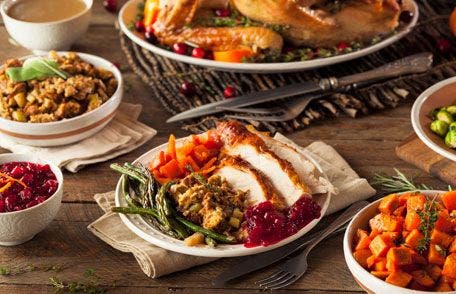
AUSTIN, TX — Food poisoning is a nasty business, and a sure-fire way to ruin your holiday celebration. But by following four easy food safety tips, you can avoid the scourge to ensure a healthy and safe holiday season.
U.S. Department of Agriculture officials, via their Food Safety Inspection Service, offer the tips in a year when Christmas, Kwanzaa and Hanukah fall within three days of each other. This means, of course, lots of food. It also means the likelihood of illness increases.
But all is not lost, and one shouldn't abandon the idea of eating with gusto during holiday celebrations. Just follow the following food safety tips, and you should be good to go. These tips aren't just for holiday food, mind you, but should be practiced year-round.
Find out what's happening in East Austinfor free with the latest updates from Patch.
Clean hands before food preparation by following these simple steps: wet hands, lather with soap, scrub for at least 20 seconds, rinse with clean warm water and dry hands with a clean towel. Always serve food on clean plates and avoid reusing plates that previously held raw meat and poultry.
Separate raw and cooked foods to avoid cross contamination, which is transferring bacteria from raw food onto ready-to-eat food. For example, when preparing a roast and raw veggies for a dip platter, keep the raw meat from coming into contact with the vegetables, or food that does not require further cooking such as sliced, cooked meat and cheese.
Cook using a food thermometer to make sure food reaches a safe minimum internal temperature. Cook all raw beef, pork, lamb and veal steaks, chops, and roasts to a minimum internal temperature of 145 °F as measured with a food thermometer before removing meat from the heat source. For safety and quality reasons, allow meat to rest for at least three minutes before carving or consuming.
Cook all raw ground beef, pork, lamb, and veal to an internal temperature of 160 °F as measured with a food thermometer. Cook all poultry to a safe minimum internal temperature of 165 °F as measured with a food thermometer. When transporting hot, cooked food from one location to another, keep it hot by carrying it in an insulated container. For more information about food thermometers, visit FoodSafety.gov
Chill leftovers within two hours of cooking. Keep track of how long items have been sitting on the buffet table and discard anything out longer than two hours. Never leave perishable foods, such as meat, poultry, eggs and casseroles in the “Danger Zone” over two hours. The danger zone is between 40 and 140 °F where bacteria multiply rapidly. After two hours, enough bacteria may have grown to make partygoers sick. Exceptions to the danger zone include ready-to-eat items like cookies, crackers, bread and whole fruit.
With more than 100,000 downloads on both the Android and iOS smartphones, the FoodKeeper application is quickly establishing itself as the quick reference go-to guide for safe food storage. Available in English, Portuguese, and Spanish, the FoodKeeper has information on safe storage of leftovers and 400+ different food and drink items.
Find out what's happening in East Austinfor free with the latest updates from Patch.
To learn more key food safety practices, visit Foodsafety.gov and follow @USDAFoodSafety on Twitter. Consumers with questions about food safety can call the USDA Meat and Poultry Hotline at 1-888-MPHotline (1-888-674-6854) or chat live with a food safety specialist in English or Spanish at AskKaren.gov, available from 10 a.m. to 4 p.m. EST, Monday through Friday.
The Centers for Disease Control and Prevention offers more thorough tips to avoid food poisoning over the holiday season:
- Wash your hands. Be sure to wash your hands with soap and water before and after preparing food, after touching raw meat, raw eggs, or unwashed vegetables, and before eating or drinking.
- Cook food thoroughly. Meat, poultry, seafood, and eggs can carry germs that cause food poisoning. Use a food thermometer to ensure these foods have been cooked to the safe minimum internal temperature. Roasts, chops, steaks and fresh ham should rest for 3 minutes after removing from the oven or grill.
- Keep food out of the "danger zone." Bacteria can grow rapidly at room temperature. After food is cooked, keep hot food hot and cold food cold. Refrigerate or freeze any perishable food within 2 hours. The temperature in your refrigerator should be set at or below 40°F and the freezer at or below 0°F.
- Use pasteurized eggs for dishes containing raw eggs. Salmonella and other harmful germs can live on both the outside and inside of normal-looking eggs. Many holiday favorites contain raw eggs, including eggnog, tiramisu, hollandaise sauce, and Caesar dressing. Always use pasteurized eggs when making these and other foods made with raw eggs.
- Do not eat dough or batter. Dough and batter made with flour or eggs can contain harmful germs, such as E. coli and Salmonella. Do not taste or eat unpasteurized dough or batter of any kind, including those for cookies, cakes, pies, biscuits, pancakes, tortillas, pizza, or crafts. Do not let children taste raw dough or batter or play with dough at home or in restaurants.
- Keep foods separated. Keep meat, poultry, seafood, and eggs separate from all other foods at the grocery and in the refrigerator. Prevent juices from meat, poultry, and seafood from dripping or leaking onto other foods by keeping them in containers or sealed plastic bags. Store eggs in their original carton in the main compartment of the refrigerator.
- Safely thaw your turkey. Thaw turkey in the refrigerator, in a sink of cold water that is changed every 30 minutes, or in the microwave. Avoid thawing foods on the counter. A turkey must thaw at a safe temperature to prevent harmful germs from growing rapidly.
Navidad, Janucá (o Jánuca) y Kwanzaa se celebran dentro de un periodo de tres dias este año. Janucá empieza el 24 de diciembre, Navidad es el 25 de diciembre y Kwanzaa comienza el 26 de diciembre. Independientemente de qué fiesta usted celebre, la seguridad alimentaria debe estar en el frente y centro de su celebración.
El Servicio de Inocuidad e Inspección de Alimentos del Departamento de Agricultura de los Estados Unidos (USDA-FSIS, por sus siglas en inglés) tiene consejos de seguridad alimentaria para asegurar que las comidas que usted comparte con su familia y amigos conservan el espíritu de la fiesta.
Aun durante las fiestas, siempre siga los cuatro pasos hacia la seguridad alimentaria
Limpie y lave sus manos antes de empezar a preparar los alimentos. Debe seguir estos pasos básicos: mójese las manos, enjabóneselas, frótese las manos por lo menos por 20 segundos, enjuágueselas con agua tibia y limpia y séqueselas con una toalla limpia. Siempre sirva los alimentos en platos limpios y evite usar platos que fueron usados previamente para carnes y aves crudas.
Separe los alimentos crudos de los cocidos para evitar la contaminación cruzada. Es decir, transferir las bacterias de los alimentos crudos a los alimentos listos para consumir. Por ejemplo, si está preparando un jamón y vegetales crudos para una bandeja con salsas para untar, evite que la carne cruda entre en contacto con los vegetales o con los alimentos que no necesitan cocción adicional como la carne en rebanadas cocida y el queso.
Cocine usando un termómetro para alimentos para asegurarse de que los alimentos alcanzan una temperatura interna mínima segura. Cocine toda la carne cruda de res, cerdo, cordero y ternera, ya sea en chuletas o cortes para asar hasta una temperatura interna mínima de 145°F medida con un termómetro para alimentos antes de quitar la carne de la fuente de calor. Por cuestiones de seguridad y calidad, deje reposar la carne durante por lo menos tres minutos antes de cortarla o consumirla. Por razones de preferencias personales, usted puede elegir cocinar las carnes a temperaturas más elevadas.
Cocine toda la carne molida de res, cerdo, cordero y ternera a una temperatura interna de 160 °F medida con un termómetro para alimentos. Cocine todas las aves de corral a una temperatura interna mínima segura de 165 °F medida con un termómetro para alimentos. Y recuerde: si tiene que transportar alimentos cocidos calientes desde un lugar a otro, manténgalos calientes llevándolos en un recipiente térmico. Si necesita más información sobre los termómetros para alimentos, visite Refrigere los sobrantes de comida dentro de un periodo de dos horas después de haberla cocinado. Controle cuánto tiempo han permanecido los alimentos en la mesa de buffet y deseche aquellos que hayan permanecido durante más de dos horas. Nunca debe dejar los alimentos perecederos, como la carne de res, carne de aves de corral, huevos y guisados en la "Zona de Peligro" durante más de dos horas. La zona de peligro, donde las bacterias se multiplican rápidamente, se registra entre los 40 °F y 140 °F. Pasadas las dos horas, es posible que se hayan desarrollado bacterias que pueden poner en riesgo la salud de los invitados. Las excepciones a la zona de peligro incluyen los alimentos listos para comer como las galletas, el pan y las frutas enteras.
Si usted prefiere tener acceso a información de otra manera, además le recomendamos nuestra aplicación el “FoodKeeper”, disponible para teléfono inteligente y tableta. Con más de 100,000 descargas en teléfonos inteligentes Android y iOS, el “FoodKeeper” se está estableciendo rápidamente como la guía rápida de referencia para el almacenamiento seguro de los alimentos. Disponible en inglés y en español, el “FoodKeeper” tiene información acerca del almacenamiento seguro de sobrantes de comida y más de 400 alimentos y bebidas diferentes.
Los consumidores pueden aprender más acerca de prácticas de seguridad alimentaria claves en Foodsafety.gov y seguirnos en español http://twitter.com/USDAFoodSafe_es por Twitter. Los consumidores con preguntas acerca de seguridad alimentaria pueden llamar a la Línea de Información sobre Carnes y Aves de USDA al 1-888-MPHotline (1-888-674-6854) o charlar en vivo con un experto en seguridad alimentaria en inglés en AskKaren.gov o en español en Pregunteleakaren.gov, disponibles de 10:00 a.m. a 4:00 p.m. hora del este, de lunes a viernes.
>>> Photo via Centers for Disease Control & Prevention
Get more local news delivered straight to your inbox. Sign up for free Patch newsletters and alerts.