Neighbor News
Chad Crowson on Technological Literacy in Houston Students
How are students today becoming technologically literate?

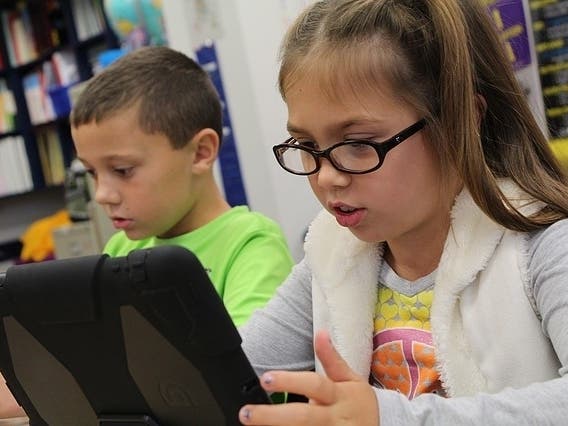
In the 1980s, computers became a staple in classrooms across the nation. Forty years later, and computers are still a critical part of the education system. Not only computers but tablets, cell phones, smart devices, smart boards, video learning, and a plethora of other technological advancements have changed the current generation. The current population of students is so surrounded by technology that they have their own unique classifier, Digital Natives. The term was coined in 2001 by Mark Prensky; a digital native is an individual that grew up in the era of accessible technology and the internet. Due to the prevalence of technology, it's essential to use it as an aid instead of an obstacle.
Technological literacy is defined as an individual who can utilize technology effectively, appropriately, and responsibly while working individually or collaboratively. By cultivating the relationship between technology and students, we can improve education for children and assist teachers as well.
Using computers in the classroom benefits all members of the education ecosystem. Teachers can use computers to do polls, online commenting, and feedback forms. Online engagement can also provide data analytics for the teacher on the progress and growth of their students. The increase in platforms that come along with the presence of technology is also helpful. Different applications and programs not only expand the options but allow for more creativity and flexibility in the classroom.
Find out what's happening in Houstonfor free with the latest updates from Patch.
If one of the purposes of the American education system is to prepare students for the future, technological literacy is a necessity. More than 50% of jobs in the US use technology, and that number is expected to grow to 77% in the next decade. Preparing students for the future is no longer constricted to core subjects, finances, and life skills, but must now include learning to use technology effectively as well.
After we acknowledge the importance of technological literacy, it's imperative to put it into practice. Remember the "three Rs" for improving technological literacy in students. Replace. Reinforce. Reimagine
Find out what's happening in Houstonfor free with the latest updates from Patch.
Replace
Try replacing traditional brick and mortar tasks with computerized versions. Instead of writing down every grade, enter them into your computer. Switch out letters home to parents with emails. Teach graphs through online poll simulators instead of polling the class by hand. A lot of the simple tasks done in the classroom can be easily translated onto the computer.
Reinforce
Utilizing technology can be a considerable change for both students and teachers. Be consistent with your use of technology. If you use an online quiz for math, make sure you use an online exam moving forward. Practice makes perfect, and it is incredibly challenging to master a task without practice.
Reimagine
Remind yourself and your students that technology isn't just for the practical tasks, but for the creative and fun ones as well. Instead of having them do all of their posters with markers and poster board, try having them design projects online. Virtual science experiments can often allow more variables than physical experiments. Reading online can be cheaper and allow for highlighting and commenting without damaging books.
Technology is continually growing and providing more opportunities. Being intentional about technological literacy in students is incredibly helpful for students, teachers, and the future careers of all parties involved.