Neighbor News
Houston Woman Gets Four Years for Sixth DWI
Her blood-alcohol content at the time of the arrest was .257 percent, police said.

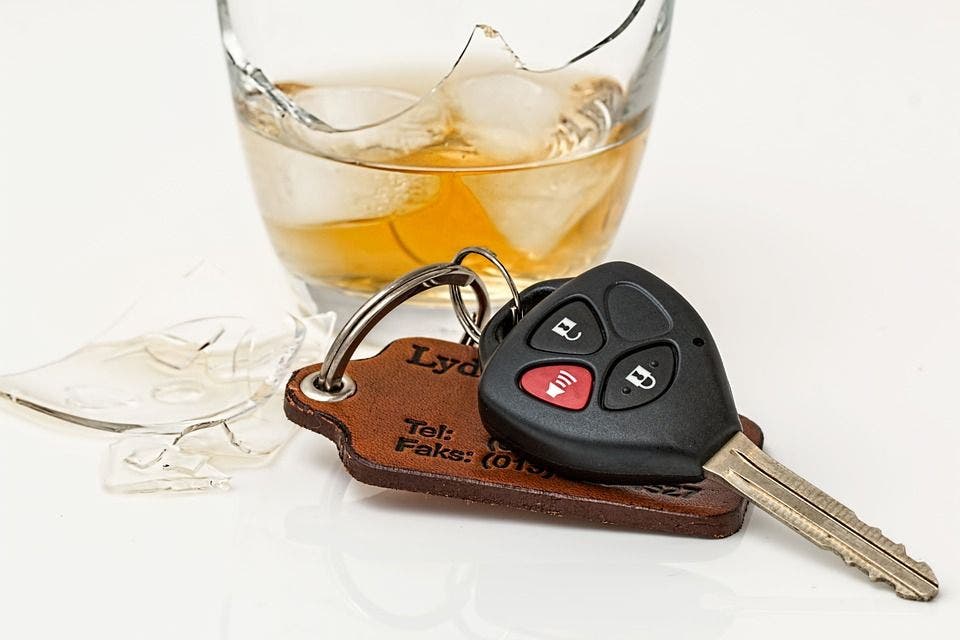
Earlier this month, a woman in Houston plead guilty to her sixth felony drunk driving charge, landing her in jail for four years. Barbara Cain’s daughter alerted police while following her mother, who was driving a rental car, and asked them to pull her over for driving drunk. When she was stopped in a nearby Applebee’s parking lot, authorities found her with open containers of beer, posting a BAC of .257. At the time of her arrest, Cain was already on bond for two other felony DWI’s dating back to April and May of 2012. Her first three arrests came in 1993, 2004, and 2010, a case that was pled down to a misdemeanor.
How is this possible?
According to Texas drunk driving laws, this shouldn’t be possible. A first offense carries minimum jail time of 3-180 days, up to $2,000 in fines, and a license suspension for up to two years. A second offense comes with 30-365 days in jail, $4,000 in fines, and a license suspension of up to two years. Third and subsequent offenses come with state prison time between 2 and 10 years, an annual surcharge of $2,000 per year to keep your license, and license suspension for two years.
If you do some quick math, it would seem that after her third offense in 2010, that she should potentially still be in jail today. For good reason too. In 2014, 9,967 people were killed in alcohol-impaired driving crashes, nearly 1/3rd of all traffic related deaths in the United States that year. Furthermore, according to MADD, the average drunk driver has driven drunk over 80 times before their first arrest and the National Highway Traffic Safety Administration found that about 25% of all drivers who are arrested for DWI each year are repeat offenders.
Find out what's happening in Houstonfor free with the latest updates from Patch.
Look Back Periods
Bearing this in mind, it begs the question of how she was able to still be out on the street, let alone able to rent a car and drive it around the city. However, according to Houston DWI attorney David Breston, this is possible because of something called ‘look back’ or washout periods:
“Generally the state suspends someone’s driver’s license for two years for a felony, and on their 3rd felony the range of punishment in Texas is 25 years to life. However, the law in regards to DWI punishments has changed dramatically over time. It used to be that if you had not had a DWI within 10 years the next DWI was considered a first DWI.”
Find out what's happening in Houstonfor free with the latest updates from Patch.
A look back period is the length of time that a DWI offense remains on a driver’s record, thereby enabling authorities to properly punish repeat offenders. However, as mentioned above, they frequently change, which can allow unusual cases like this to exist.
For example, earlier this year in Kentucky, the state legislature passed a bill lengthening the look back period for DWI from five to ten years. Some say this is unfair to those who make a foolish mistake when they are younger while others believe this will hold repeat offenders more accountable for their actions.
Based on what I could find, the look back period for Texas specifically was changed around 2005, but back in 1980, the punishment for DWI was only 60 days in jail and a $200 fine, so the scope is always in flux. Punishments can also be more severe if a DWI results in an accident or death, which is known as intoxicated manslaughter.
Still, cases like Barbara Cain remind us of the impact that the arbitrary nature of laws and look back periods like these can have on not only the offender, but those living around them.