Neighbor News
How to Avoid Cavities and Dental Fillings
Did you know that tooth decay is one of the most common childhood diseases in America?

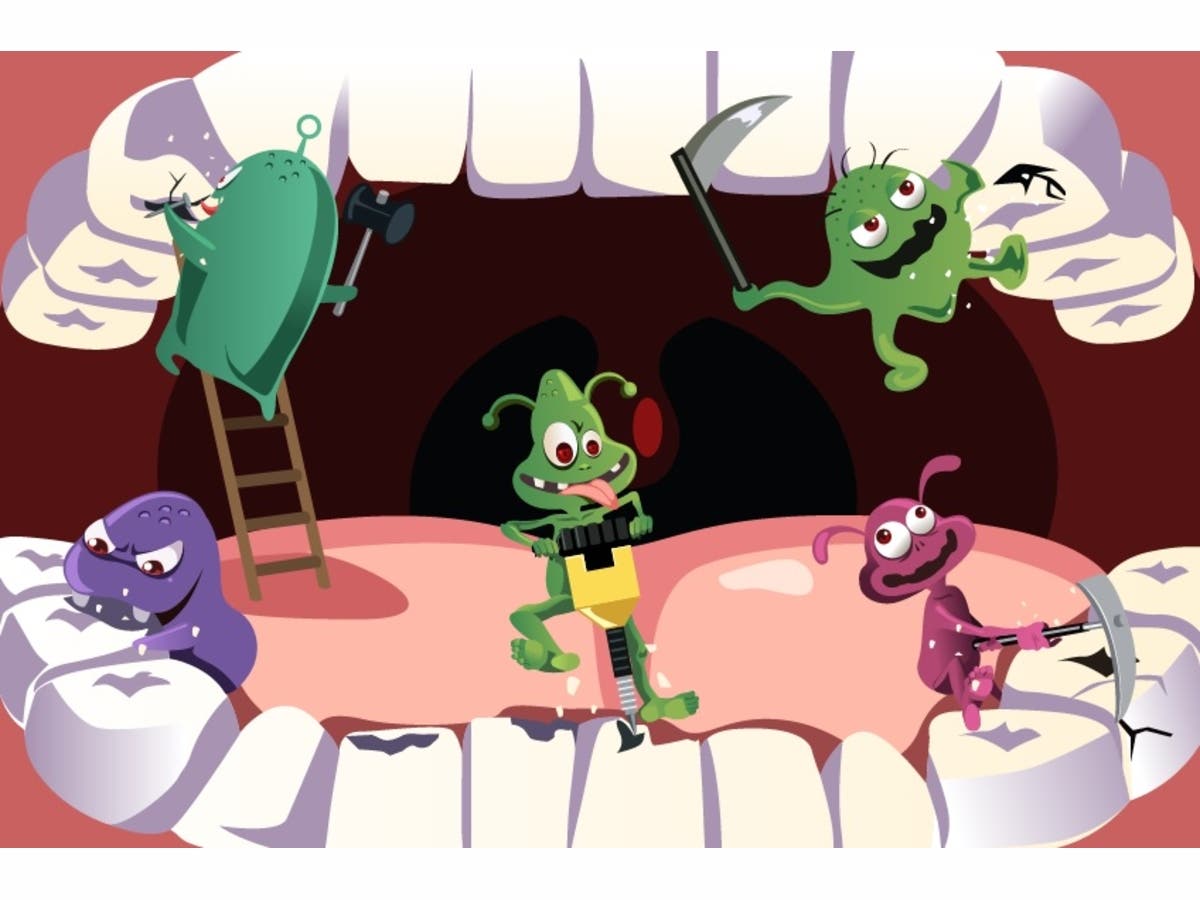
Did you know that tooth decay is one of the most common childhood diseases in America? Cavities and gum disease also cause more adults to lose their teeth than any other reason. That being said, there are some real things you can do to reduce your chance of getting dental fillings to begin with.
Here’s how:
Invest in a Good Electric Toothbrush
Find out what's happening in Houstonfor free with the latest updates from Patch.
Electric toothbrushes remove far more plaque than you ever will with a manual brush. Think about it. You’re supposed to brush for two minutes a day, but most people don’t make it that long. In that short amount of time, how many strokes back and forth are you raking up? An electric toothbrush performs hundreds of times better than that, giving you more cleaning power and competition against tooth decay.
Make Up With Your Dental Floss
Find out what's happening in Houstonfor free with the latest updates from Patch.
No matter how well you brush your teeth, you physically can’t clean the areas between them or under the gums without floss. Yes, 99% of people hate flossing, but that’s usually because their gums bleed. If you floss daily, your gums should be healthy enough not to become irritated. Many dental fillings are placed between teeth where cavities tend to start, making flossing even more important.
If there’s no way a strand of floss or floss pick is going to work for you, consider a water flosser to use at your bathroom sink or even in the shower.
Add in Some Xylitol
Xylitol is found in certain gums, or in health food stores in the form of sprays and drops. This unique ingredient can help to repel plaque from building up and therefore reduce your risk of developing cavities.
Don’t Skip the Fluoride
Professional fluoride treatments help to remineralize weak enamel that may be starting to etch away or decay. Your dentist can apply a varnish at your appointment or, if you’re at an increased risk of cavities, he may write you a prescription to use at home. Over the counter fluoride rinses are ok to use if you haven’t had a history of lots of dental fillings.
Request Sealants
Sealants are non-invasive, protective layers that coat the deep grooves and pits in the back teeth. This blocks out bacteria, acids, and food particles, and makes it easier to keep your teeth clean. Most sealants are applied when the permanent molars erupt (somewhere between ages 6-12) but adults can request them as well.
Treat Problems Early
Cavities can “jump” from tooth to tooth. If you put dental fillings off, the one you originally needed could turn into two. The most effective and efficient way to combat active cavities is to treat them as soon as possible.
See Your Dentist and Hygienist Every Six Months
Your dental team can see your teeth up close, catching issues you wouldn’t notice for months or even years down the road. Having x-rays taken during your checkup allows your dentist to spot potential problems when they’re easier (and more affordable) to fix.
So don’t delay: Schedule your next continuing care appointment today!