Neighbor News
How to Recognize Serious Health Symptoms Before They Become Emergencies
Recognize serious health symptoms early. Learn warning signs that need urgent care and when timely medical attention can save lives.

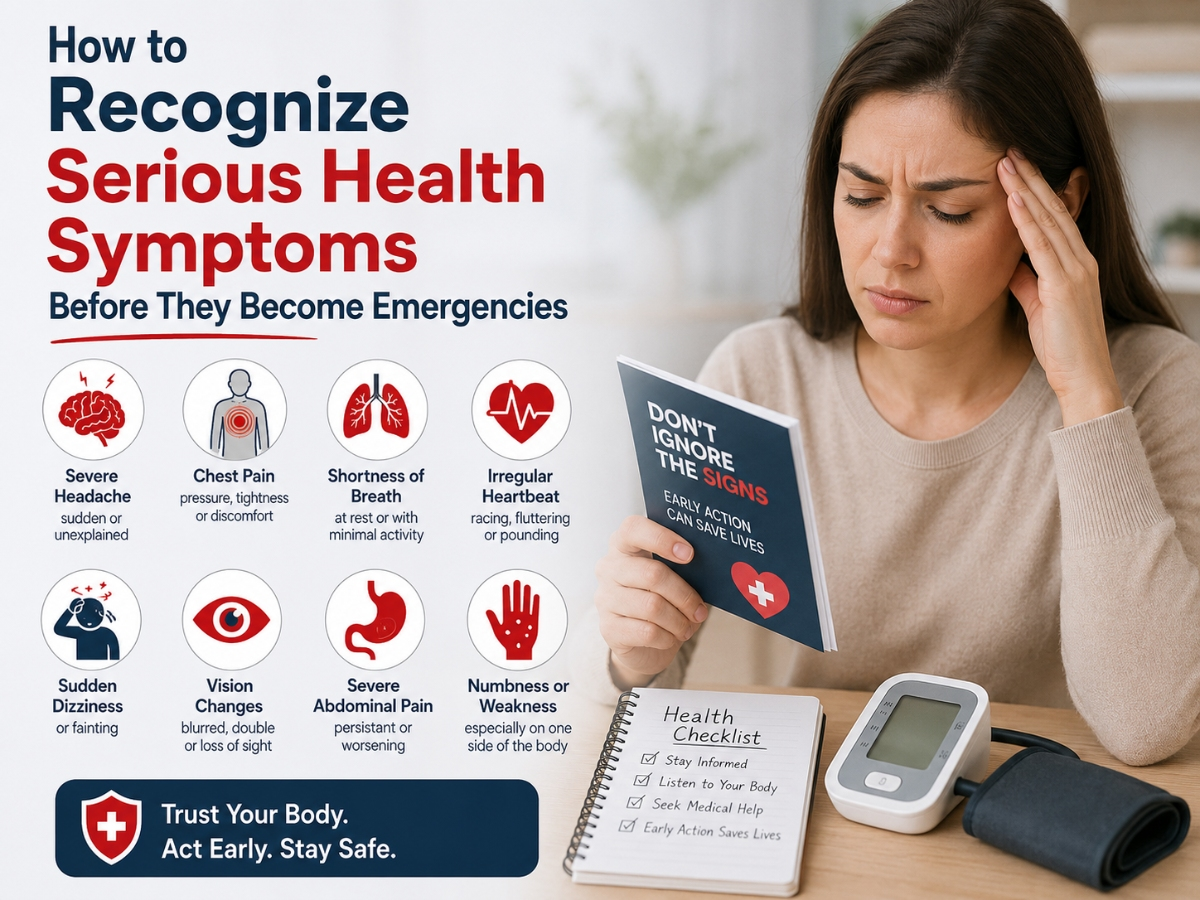
Many serious medical conditions don't begin with dramatic warning signs. Instead, they often start with subtle symptoms that are easy to dismiss as stress, fatigue, or minor illness. Learning to recognize these early signals can help you seek medical care before a condition becomes life-threatening. For example, understanding the difference between a blood clot in upper thigh vs muscle strain can make a critical difference, as both may cause leg pain but require very different responses.
Being aware of your body's changes doesn't mean assuming the worst. It means paying attention to symptoms that are unusual, persistent, or worsening over time. Acting early can improve treatment outcomes and, in some cases, save lives.
Why Early Recognition Matters
Many emergency medical situations develop gradually. Heart disease, stroke, infections, and internal bleeding may all begin with mild discomfort before progressing rapidly. The earlier a serious condition is identified, the greater the chance of preventing complications.
Find out what's happening in Houstonfor free with the latest updates from Patch.
People often delay seeking medical attention because they believe symptoms will disappear on their own. While many common illnesses do resolve naturally, certain warning signs should never be ignored.
Chest Pain That Feels Different
Chest pain is one of the most recognized emergency symptoms, but not every heart problem feels the same. Some people experience pressure, tightness, burning, or discomfort rather than sharp pain. Others may notice pain spreading to the jaw, shoulder, back, or arm.
Find out what's happening in Houstonfor free with the latest updates from Patch.
Additional warning signs include:
- Shortness of breath
- Cold sweating
- Nausea
- Sudden fatigue
- Dizziness
Even if symptoms seem mild, medical evaluation is important, especially for individuals with high blood pressure, diabetes, or a family history of heart disease.
Sudden Changes in Speech or Movement
A stroke can happen within minutes, making early recognition essential. Watch for sudden:
- Weakness on one side of the body
- Facial drooping
- Difficulty speaking
- Confusion
- Loss of balance
- Vision problems
Quick treatment can significantly reduce long-term disability, making immediate emergency care essential.
Persistent Shortness of Breath
Feeling winded after exercise is normal, but unexplained or sudden difficulty breathing is not.
Breathing problems may indicate:
- Lung infections
- Blood clots
- Asthma attacks
- Heart failure
- Severe allergic reactions
If breathing becomes difficult while resting or is accompanied by chest discomfort or bluish lips, emergency medical attention should be sought immediately.
Severe Headaches Unlike Previous Ones
Most headaches are harmless, but an extremely intense headache that appears suddenly can signal a medical emergency.
Seek prompt evaluation if a headache is accompanied by:
- Neck stiffness
- Confusion
- Fever
- Loss of consciousness
- Vision changes
- Weakness or numbness
These symptoms may indicate bleeding in the brain, meningitis, or other serious neurological conditions.
Abdominal Pain That Doesn't Improve
Occasional stomach discomfort is common, but severe or persistent abdominal pain deserves attention.
Possible causes include:
- Appendicitis
- Gallbladder disease
- Pancreatitis
- Kidney stones
- Intestinal obstruction
Pain combined with vomiting, fever, bloody stools, or swelling should never be ignored.
Unusual Bleeding and Ongoing Pelvic Symptoms
Changes in menstrual bleeding or persistent pelvic discomfort can sometimes point to underlying gynecological conditions. Many women wonder, can fibroids cause back pain and heavy bleeding. In many cases, uterine fibroids can contribute to these symptoms, making professional evaluation important when bleeding becomes unusually heavy, prolonged, or is accompanied by chronic pelvic pressure or lower back pain.
Early diagnosis allows healthcare providers to recommend treatments that can improve quality of life and prevent complications such as anemia.
High Fever With Confusion
Fever helps the body fight infection, but extremely high temperatures or fever accompanied by confusion can signal a serious illness.
Warning signs include:
- Persistent fever above normal ranges
- Confusion or unusual behavior
- Difficulty staying awake
- Severe dehydration
- Rapid heartbeat
These symptoms may indicate sepsis or another severe infection requiring immediate treatment.
Sudden Vision Changes
Blurred vision, double vision, or temporary loss of sight should never be ignored.
Possible causes include:
- Stroke
- Retinal detachment
- Eye infections
- Vascular disorders
Prompt treatment may help preserve vision and identify serious underlying conditions.
Persistent Fatigue That Feels Different
Everyone experiences tiredness occasionally, but fatigue that persists despite adequate rest may signal an underlying medical problem.
Potential causes include:
- Anemia
- Thyroid disorders
- Heart disease
- Diabetes
- Chronic infections
If fatigue is accompanied by unexplained weight loss, swelling, chest discomfort, or persistent weakness, medical evaluation is recommended.
Skin Changes That Require Attention
The skin often reflects what's happening inside the body.
Watch for:
- Rapidly spreading rashes
- Yellowing of the skin or eyes
- Blue lips or fingertips
- Unexplained bruising
- Large areas of redness with fever
These symptoms may indicate liver disease, serious infections, allergic reactions, or blood disorders.
Trust Changes in Your Normal Health
One of the most valuable warning signs is simply noticing that something feels different than usual.
Pay attention when symptoms:
- Continue longer than expected
- Become progressively worse
- Interfere with daily activities
- Return repeatedly
- Occur alongside other unusual symptoms
Knowing your personal baseline makes it easier to recognize when something deserves medical attention.
When to Seek Emergency Care Immediately
Some symptoms require immediate emergency evaluation rather than waiting for a routine appointment.
These include:
- Chest pain with shortness of breath
- Sudden weakness or paralysis
- Difficulty speaking
- Loss of consciousness
- Severe breathing difficulty
- Heavy uncontrolled bleeding
- Seizures
- Sudden severe abdominal pain
- Signs of a severe allergic reaction
Calling emergency medical services quickly can significantly improve outcomes in many life-threatening situations.
Final Thoughts
Recognizing serious health symptoms early is one of the most effective ways to prevent medical emergencies. While not every unusual symptom indicates a dangerous condition, paying attention to persistent, severe, or rapidly changing signs allows healthcare professionals to diagnose and treat problems before they become critical. Listening to your body, seeking timely medical advice, and avoiding unnecessary delays can make a meaningful difference in protecting your long-term health.