Community Corner
Luxury Apartment Amenities Shaping the Future of City Living in Houston
City living has always promised access — to culture, to restaurants, to opportunity. But the definition of urban comfort has changed.
This is a paid post contributed by a Patch Community Partner. The views expressed in this post are the author's own, and the information presented has not been verified by Patch.
Today’s high-rise residences are no longer just places to sleep between busy days. They function as carefully designed environments that support wellness, productivity, and social life without requiring residents to leave the building.
Developers in major cities have responded by rethinking what apartment living should offer. Amenities are not just about having a small fitness room or a rooftop lounge. Instead, they are designed as integrated lifestyle features that decide how residents experience everyday life.
The shift is evident in developments like the Residences at The Allen, where thoughtful architecture and service-driven design reflect a broader evolution in urban residential planning. The most desirable buildings focus on meaningful comforts. They create spaces that make everyday life feel easier, calmer, and more connected to the city around them.
From wellness-focused facilities to hotel-style services, these modern luxury apartment amenities are changing what it means to live well in a metropolitan environment.
Wellness Amenities That Support Daily Balance
Wellness has become one of the most influential trends in residential real estate. Wellness-focused properties now represent a rapidly expanding sector as buyers and renters seek environments that actively support healthy lifestyles.
For many residents, convenience plays a major role. When fitness and relaxation spaces are located within the building, maintaining a routine becomes significantly easier.
Instead of traveling across the city to reach a gym or yoga studio, residents can move from their apartment quickly into a carefully designed fitness environment. Modern residential towers often have expansive fitness centers equipped with professional-grade machines, weight training areas, and private studios for yoga or Pilates.
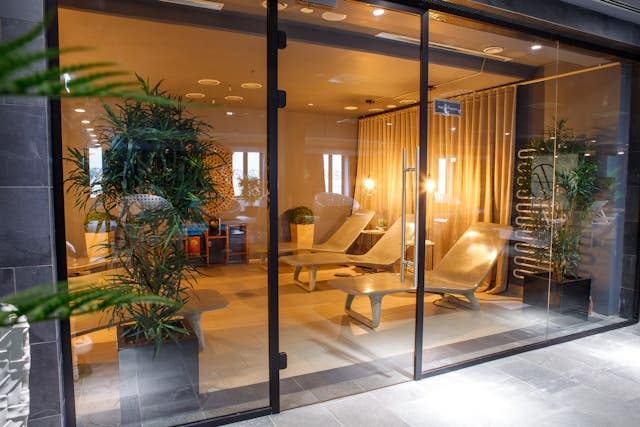
Many buildings have also spa-inspired amenities such as steam rooms, saunas, and recovery lounges. These additions prove that wellness extends beyond exercise. Recovery and relaxation are equally important parts of maintaining long-term health.
Outdoor pools are another increasingly popular feature. In warmer climates, pools serve both recreational and fitness purposes, offering residents a place to swim laps or simply unwind after a long day.
These amenities show how cool apartment amenities are becoming more thoughtful and practical. Instead of simply adding flashy features, developers are creating spaces that residents actually use week after week.
Outdoor Spaces That Reconnect Residents With Nature
One of the greatest challenges of city living is maintaining a connection with the outdoors. As buildings rise higher and neighborhoods become denser, access to natural space becomes increasingly valuable.
Architects are designing residential towers with outdoor living areas integrated into the building’s structure. Balconies, rooftop terraces, and landscaped decks give residents the option to step outside without leaving home.
These spaces serve several purposes. They ensure that fresh air and natural light are part of daily routines, but they also offer quiet moments amid city life.
Private balconies are one of the most appreciated residential features. When large enough to accommodate seating or dining, they effectively extend the living area outward. A morning coffee overlooking the skyline or an evening glass of wine at sunset can become small daily rituals.
Shared outdoor areas add another layer of experience. Rooftop terraces often include lounge seating, fire pits, and outdoor kitchens designed for informal gatherings. Some developments also incorporate garden spaces or walking paths that bring greenery into the building itself.
For residents of The Allen residences, proximity to Buffalo Bayou Park adds an additional feature to this experience. The park’s trails and waterfront views offer an immediate escape from the city’s pace while remaining just steps from home.
These connections between architecture and landscape are creating a growing trend in real estate design: outdoor access is not an optional amenity but an essential component of comfortable urban living.
Hospitality-Style Services Inside Residential Buildings
Another defining feature of contemporary high-rise living is the integration of hospitality services into residential buildings.
Historically, apartment buildings provided limited assistance beyond front desk security. Today, many luxury residences operate with service models more commonly associated with high-end hotels.
Concierge teams assist residents with everyday tasks that would otherwise take valuable time. Reservations at nearby restaurants, coordination of transportation, and recommendations for local events can all be handled through a single point of contact.
Valet parking has also become a standard feature in many premium developments. Rather than navigating crowded garages, residents can arrive home and transition into their private living spaces.
Package management has grown increasingly important as online shopping continues to expand. Secure parcel systems ensure deliveries are stored safely until residents retrieve them.
For buildings connected to hospitality brands or nearby hotels, services may extend even further. Residents sometimes have access to in-room dining, housekeeping arrangements, or event coordination.
These conveniences make a residence more than a building. It becomes a support system for daily life — one that quietly removes friction from everyday routines.
Smart Home Technology That Enhances Comfort
Technology now plays a central role in the design of modern residential buildings. Smart home features have become some of the most requested upgrades among residents.
Smart thermostats allow residents to adjust temperature settings remotely, ensuring their home is comfortable before they arrive. Lighting systems can be programmed to respond to schedules or occupancy, creating an environment that feels both efficient and intuitive.
Keyless entry systems add an additional layer of security and convenience. Residents can access their apartments through secure digital credentials rather than traditional keys.
Building-wide technology systems also support practical improvements. Many properties now provide high-speed fiber internet infrastructure designed to support remote work, streaming, and connected devices without interruption.
These technological upgrades represent a quieter category of cool apartment amenities — the kind that improve daily living without drawing attention to themselves.
Social Spaces Designed With Intent
Successful residential design recognizes the importance of shared spaces that feel comfortable.
Resident lounges, private dining rooms, and rooftop gathering areas are now common features in many high-end buildings. These spaces let residents host guests or meet neighbors without needing to leave the property.
Co-working lounges have also gained popularity, especially as remote work becomes more common. Residents can move into shared work environments that offer both productivity and social interaction.
Wine tasting rooms, media lounges, and entertainment kitchens appear in some developments as well, creating opportunities for small events or informal gatherings.
Architecture That Shapes Everyday Living
Amenities are often discussed in terms of shared spaces, but the design of individual residences remains just as important.
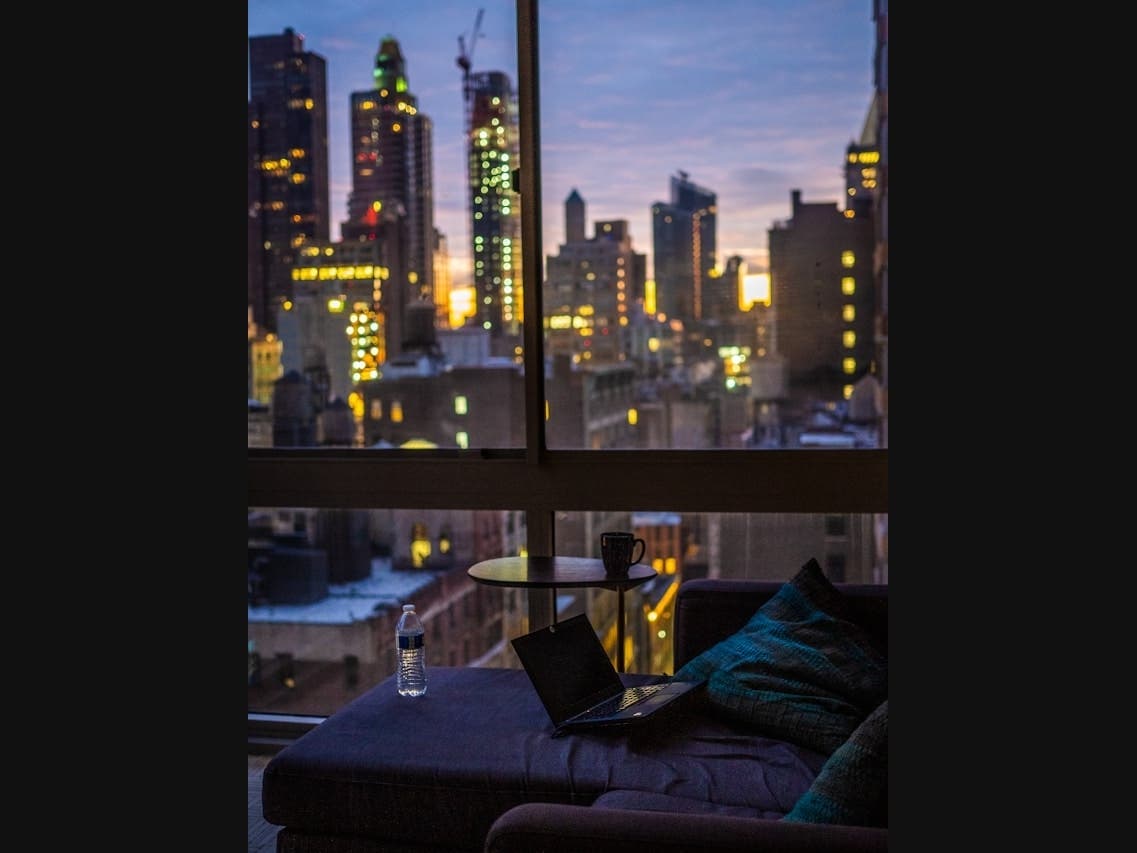
Modern apartments increasingly emphasize openness and natural light. Floor-to-ceiling windows maximize views while allowing daylight to move freely throughout living areas.
High ceilings contribute to a feeling of spaciousness even within compact city layouts. Carefully designed floor plans ensure kitchens, living rooms, and bedrooms flow together naturally.
Materials also play a quiet but significant role. Stone surfaces, natural wood finishes, and understated color palettes create environments that feel calm rather than overstimulating.
Why Location Remains the Ultimate Amenity
Even the most carefully designed building cannot replace the importance of its surroundings. Location continues to influence property value and resident satisfaction more than any single amenity.
Access to parks, cultural institutions, and dining districts allows residents to experience the city in a more spontaneous way. Walkable neighborhoods encourage exploration while reducing reliance on cars.
Houston’s Allen Parkway corridor offers a compelling example of this dynamic. With Buffalo Bayou Park nearby and the Museum District within easy reach, residents enjoy a rare combination of natural landscape and urban culture.
In this context, the building becomes a gateway to the broader city experience.
A New Standard for Urban Living
The modern residential tower is no longer defined by height alone. Its value lies in how well it supports the lives of the people who live there.
Thoughtful luxury apartment amenities, carefully designed outdoor spaces, integrated wellness facilities, and responsive service models are reshaping expectations for urban housing. These features create environments that feel both connected and restorative — places where residents can move easily between work, relaxation, and social life.
Developments such as The Allen residences reflect this shift. By combining architecture, hospitality, and location, they demonstrate how high-rise living can balance the energy of the city with the quiet comfort of home.
For residents, the result is simple but powerful: a place where daily life unfolds naturally, supported by design that understands how people truly live.
This post is an advertorial piece contributed by a Patch Community Partner, a local brand partner. To learn more, click here.