Neighbor News
An Overburdened U.S. Immigration System Harms All Parties Involved
Backlogged caseloads and under-staffing are critical problems when human lives are at stake.

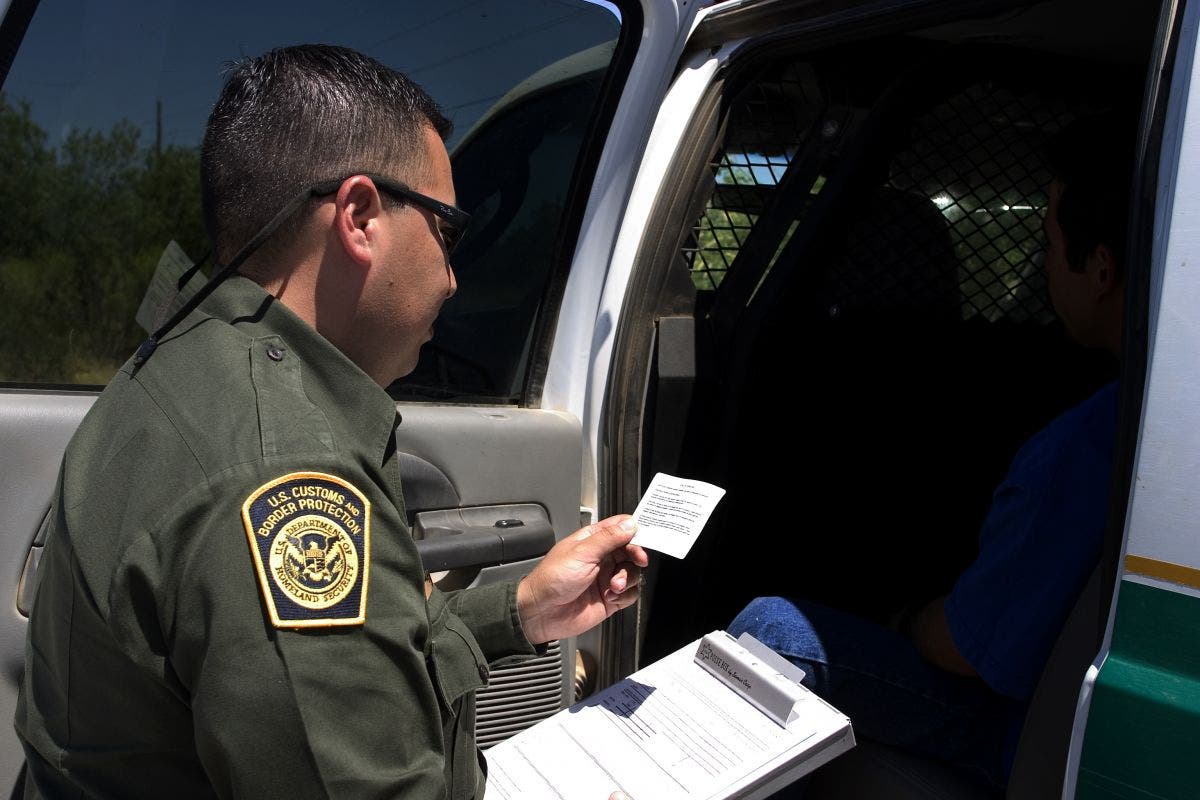
As we approach this year’s presidential election, immigration policy and the treatment of those attempting to enter the United States is a hot topic on everyone’s mind. And rightfully so. A critical look at our current immigration system reveals that the system is overburdened, underfunded, and falling further behind every day. Especially in Texas, which is one of the main locations for immigration in the United States, second only to California, the need reform is more dire than ever.
Currently in the United States, there are 277 immigration judges who have a backlog of over 500,000, nearly triple the rate of 10 years ago. In the city of Houston specifically, there are just six immigration judges and because of this, they have seen their case load swell from 6,400 pending cases in 2010 to 36,100 pending cases in 2016. According to some estimates, the average time delay for a case in Houston is 636 days and because of this, the backlog of cases could double again in just three years.
Clearly, this blockage of pending cases is detrimental for immigrants, who have to wait in limbo for an average of two and five years for their case to be completed. Especially for many of these who are seeking asylum from dangerous home countries, they don’t have the luxury of waiting years for their immigration case to be settled.
Find out what's happening in Houstonfor free with the latest updates from Patch.
That being said, barring any serious changes, there isn’t much else they can do but wait. Immigration judges have so many cases on their docket that they can barely afford to spend any time on cases as is. The average immigration judge handles 1400 cases a year, three times the amount of cases handled by Federal District Court Judges, and because of the time crunch, many are forced to revert to snap judgements and first impressions to decide someone’s entry into the United States. This issue has become such a problem that more than 250 federal immigration judges and 28,000 department employees need to attend a mandatory anti-bias training session to ensure that each case is being judged objectively.
Aside from the chips being stacked against immigrants in need, an often forgotten piece of the immigration puzzle is the stress imposed on the actual U.S. Immigration Judges who are ultimately deciding the fate of thousands of people who come to the United States each year. The unreasonably high volume of cases coupled with the stress of deciding a person’s fate, after hearing stories that often involve death and human suffering, makes United States Immigration Judges have one of the highest burnout rates across all professions, even as compared to hospital workers and prison wardens. A 2008 study examined this very issue and found that a signification number of immigration judges were suffering from secondary traumatic stress (STS), emotional exhaustion, and had difficulty sleeping.
Find out what's happening in Houstonfor free with the latest updates from Patch.
Despite the overwhelming evidence of an overburdened system and calls for more immigration judges, not much has been changed to alleviate the stress on everyone. For example, in Houston, courts receive far less funding than arresting agencies by a comparison of $304 million in 2013 to $18 billion. Not only does this disparity severely reduce the amount of available resources, but its show that the system places more emphasis on incarceration rather than peaceful legal recourse.
With no real solution in site, the role of a Houston Immigration attorney becomes more vital than ever. According to the New York Times, over 40% of immigrants come to court without a lawyer, but even if lawyers are involved, as discussed earlier, immigrants who are educated, articulate, and white have an easier time overcoming bias and gaining the court’s sympathy. For certain asylum seekers who don’t speak English, let alone understand immigration court proceedings, this is an especially daunting prospect. It’s clear that the United States is already facing extreme issues regarding immigration, and unless some serious changes are made, all parties involved will continue to suffer.