Neighbor News
Why At-Home Fitness Setups Are Becoming More Common in Busy Households
Home workouts make fitness easier for busy households by saving travel time, using practical spaces, and fitting exercise into daily routine

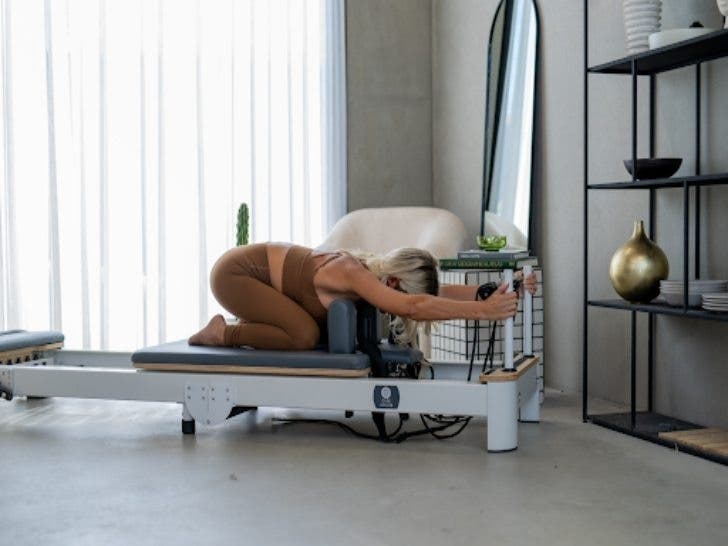
A workout often gets dropped before it even starts. The gym may be fifteen minutes away. Dinner still needs cooking. A child needs help with homework. Then the evening disappears.
That pressure explains why more households are making room for exercise at home. The setup may be simple or carefully planned. The main goal stays the same. It removes extra travel and makes movement easier during an ordinary day.
The Real Problem Is Often the Trip
A gym visit takes more than workout time. People change clothes, drive, park, check in, exercise, and travel home. A planned 30-minute session can use most of an evening.
Find out what's happening in Houstonfor free with the latest updates from Patch.
That matters in homes with school pickups, late shifts, or shared cars. It also matters during snow, rain, or early winter darkness. Missing one session can then turn into missing the whole week.
Home exercise involves several small steps. A parent can move before the children wake. Someone working nights can exercise without watching a class schedule. A short workout becomes easier when no travel is involved.
Find out what's happening in Houstonfor free with the latest updates from Patch.
Home Setups Are Getting More Practical
A home gym does not need a treadmill in the basement. Many setups use far less space. A corner can hold a mat, weights, bands, and a small bench.
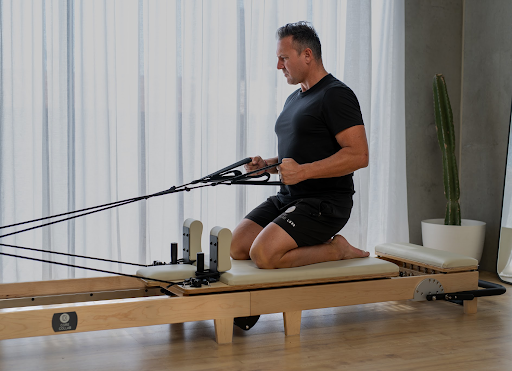
Larger equipment must earn its place in a busy room. Foldable frames and quiet parts matter in shared spaces. Someone considering a folding Pilates reformer for shared home spaces may measure a bedroom wall first. They may check the clearance near a couch or guest bed. Storage often matters as much as the workout.
Noise matters too. Early workouts can wake children, roommates, or downstairs neighbors. Smooth wheels and stable frames can make equipment easier to use. Thick floor mats can also reduce vibration and protect flooring.
Small Time Windows Start to Count
Busy households rarely get a free hour. They get twenty minutes before school pickup. They get a short break while dinner cooks. They get half an hour after bedtime.
A useful setup allows those smaller time windows to count. The U.S. Physical Activity Guidelines state that any amount of activity can help. Exercise no longer needs to happen in ten-minute blocks. A quick morning session can still add useful movement to the day.
That makes shorter home sessions useful. Ten minutes in the morning and twenty later still add movement. The routine does not need a perfect calendar block.
A missed class no longer ends the day’s plan. A shorter session can still happen at home.
The Room Has to Keep Working
A home fitness area cannot ignore the people living around it. The living room still needs space for family time. A guest room may still need to hold guests. A garage may need room for bikes, tools, and storage bins.
Before buying equipment, households should check:
- The full floor space is needed during use
- The space required for arms and legs
- The folded size after use
- The machine’s weight and moving method
- The floor type and noise below
- Nearby outlets, vents, doors, and windows
These checks prevent a good idea from becoming cluttered. They also help families choose equipment they will actually use.
Cost Is More Than the Price Tag
Home equipment can cost more at the start. The real value depends on use, space, upkeep, and household needs.
A cheap machine that stays folded has little value. A costly machine used by two adults may replace several weekly trips. Smaller items can also build a useful setup without a large purchase.
The U.S. Bureau of Labor Statistics found that people spend significant time on household activities. Cooking, cleaning, laundry, and home management take up large parts of the day.
That helps explain the appeal of nearby exercise. Households are not always short on interest. They are often short on clean, uninterrupted time.
One Setup Can Work for the Whole Household
Home equipment often gets used by more than one person. One adult may exercise before work. Another may use it after dinner. Older children may use lighter weights or resistance bands.
That shared use can make the setup feel more practical. It also gives families a reason to discuss safe use. Adjustable resistance helps when people have different strength levels. Easy settings matter when nobody wants to rebuild the machine each time.
Storage should also work for everyone. Heavy items should not sit where children can pull them down. Bands, small weights, and loose parts need a clear place. A simple basket or shelf can prevent the room from becoming messy.
Shared use can also lower the cost per person. One setup may support several routines without several gym memberships.
The Setup Can Change Daily Habits
Fitness equipment works better when it is easy to reach. A mat hidden behind boxes often stays there. A machine covered with laundry quickly becomes furniture.
Busy households benefit from a setup that needs little preparation. Shoes, water, and basic equipment can stay nearby. That removes small excuses when time is limited.
The space does not need to look perfect. It only needs to stay ready. A clear floor corner can make a short session feel possible. That matters on days when motivation is low.
Over time, the setup becomes part of the home routine. Exercise feels less like a special event. It becomes another normal part of the day.
Local Fitness Still Has a Place
Home workouts do not make local studios or community programs less useful. Classes provide coaching, social contact, and help with form. Parks, walking groups, recreation centers, and fitness courts also give residents low-cost options.
The most workable routine may use both. A person might attend one local class each week. Shorter home sessions can fill the days between visits.
That mix gives households more control. Beginners can learn movements safely before practicing familiar exercises alone. Local classes can also provide the social side that home workouts sometimes lack.
A Setup Works When It Fits the House
The best home fitness space is not always the biggest one. It is the one that stays usable during a busy week.
It should not block a doorway or wake the whole house. It should not need twenty minutes of setup. It should make movement easier on ordinary Tuesdays, not only quiet Sundays.
At-home fitness does not make the week less crowded. It simply gives exercise somewhere realistic to happen.