Community Corner
20 Fish Species Decimated In Recent Round Rock Sewage Spill
The fish kill that happened after 100K gallons of untreated water spilled into Brushy Creek ran the gamut from bass to sunfish.


ROUND ROCK, TX — A wide variety of fish — from bass to sunfish — were killed in the thousands after last month's spill of 100,000 gallons of untreated water into Brushy Creek that can't be replaced, a state official told Patch on Thursday.
Round Rock city officials last month confirmed a power outage at the Brushy Creek Regional Wastewater Treatment plant in the eastern part of the city caused the release of 100,000 gallons of untreated wastewater into the creek. The loss of fish was reported as being in the thousands, but the type of species involved has gone unreported.
Patch reached out to Travis Tidwell, a pollution biologist at the Texas Parks & Wildlife Departmentworking on the so-called "kills and spills" team given its monitoring and mitigation of such events. The exact number of dead fish is unknown, but Tidwell categorized the amount as "several thousands."
Find out what's happening in Round Rockfor free with the latest updates from Patch.
The intake of untreated waste into a body of water sucks the oxygen from the habitat, Tidwell explained, causing fish to die en masse. Game fish and other varieties perished as waste bombarded their environment in a spill that wasn't detected until more than hour (at 9:40 p.m.) after the leak.
Related story: Power Outage Causes Spill At Round Rock Treatment Plant
Find out what's happening in Round Rockfor free with the latest updates from Patch.
All told, Tidwell said about 20 varieties of fish were killed. This includes game fish such as Guadalupe bass, large mouth bass, channel catfish, sun fish and cichlids. More dead fish were identified as darters, red horse suckers, carp and some shad, Tidwell added. "It was a pretty diverse species of fish," he said.
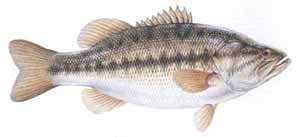
Photo of large-mouth bass via Texas Parks & Wildlife.
Re-stocking the creek with replacement fish isn't an option given that the type killed are not bred in state hatcheries, Tidwell said. The only measures the agency can take is to estimate monetary loss in giving city officials a guide into a commensurate expense for a restoration project.
Involved in such a restoration project are habitat improvements, including fortifying riparian vegetation along the banks, Tidwell said. The net effect of such efforts is to improve the water quality while promoting breeding, the Texas Parks & Wildlife officials said.
To date, Tidwell said, the estimate on financial loss has not been determined. Such an estimate is expected to be reached in the coming months before the city can implement restoration measures, he added.
In a reply to emailed questions from Patch, city spokeswoman Sara Bustilloz said the creek has since been deemed to be safe. "During cleanup efforts, city staff walked from the spill site to 1 ½ miles down the creek, picking up any debris or dead fish that may have resulted from the spill," she wrote.
Patch reached out to the Texas Commission on Environmental Quality to determine if any fines would be assessed as a result of the spill. Agency spokeswoman Marty Otero said she would look into it and get back to Patch in the coming days.
Despite the high numbers of dead fish, Tidwell noted, a sizable number that were upstream of the spill site emerged unscathed. The hope is these surviving fish might migrate to the affected area of the popular fishing hole once it's fully restored to ensure a thriving population. The creek is particularly popular for fly fishing, the official noted.
As for the safety of fishing there in the spill's aftermath, Tidwell suggested it was okay to do so. The main concern when spills occur is direct contact with untreated waste and dead fish. The surviving fish continue to thrive as they were unscathed by the spill, and are thus safe to handle.
"As far as the fish are concerned, the fish will be fine," Tidwell said. "The main concern is contact with the water. We always advise people not to touch or mess around with dead fish on the banks."
The Brushy Creek spill has prompted something of a brainstorm session at the Texas Parks & Wildlife, Tidwell noted, expressing visions of interactive maps residents can use to determine bodies of water that have been compromised by spills as they plan their fishing excursions.
Alas, such an effort is likely years away, Tidwell said.
Get more local news delivered straight to your inbox. Sign up for free Patch newsletters and alerts.